
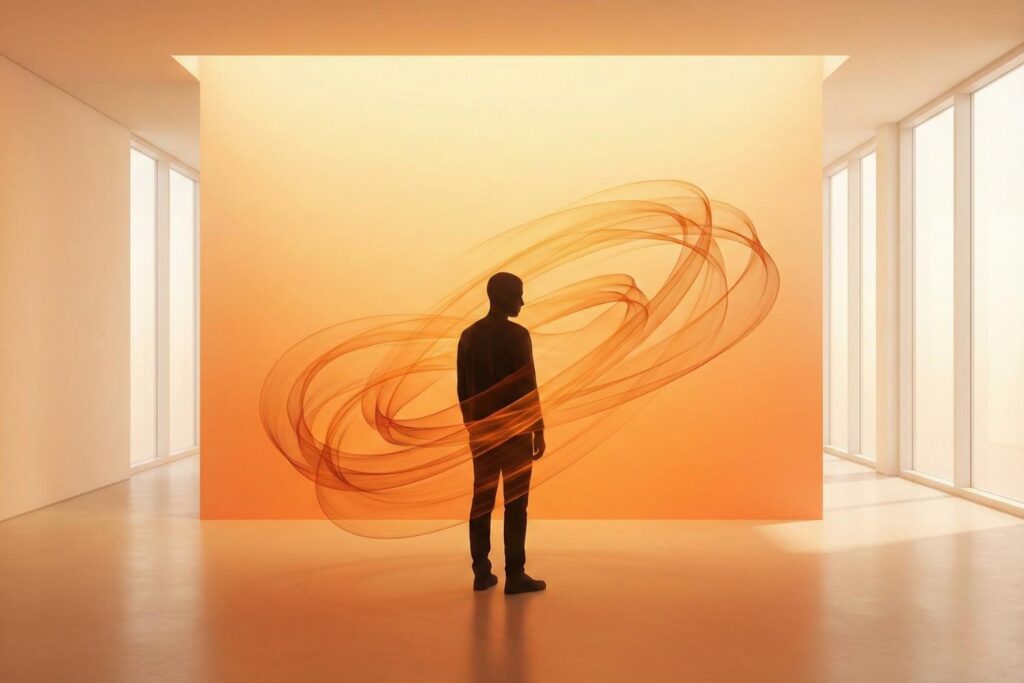
Color influences human emotion more than we consciously realize. From the clothes we wear to the brands we trust and the environments we feel comfortable in, color silently shapes our psychological responses. Among all colors, orange stands out as one of the most vibrant and emotionally stimulating. But what does orange indicate in psychology, personality, and everyday life?
Orange is bold yet welcoming. It combines the fiery energy of red and the happiness of yellow, creating a color that symbolizes enthusiasm, warmth, creativity, and emotional expression. In this article, we will explore the deep psychological meaning of orange, how it affects mood and behavior, its role in branding and spirituality, and what it reveals about personality and mental wellbeing.
By understanding what does orange indicate, you can consciously use this color to uplift your emotional state, enhance creativity, and create a balanced environment around you.
The Basic Psychology Behind Orange
To understand what does orange indicate, we must first examine how it is formed. Orange is a secondary color created by blending red and yellow. Because of this combination:
- It carries the passion and intensity of red.
- It holds the optimism and cheerfulness of yellow.
Psychologically, orange represents:
- Energy
- Warmth
- Social connection
- Confidence
- Enthusiasm
- Adventure
Unlike red, which can feel aggressive, or yellow, which can sometimes cause anxiety in excess, orange offers a more balanced emotional stimulation. It is uplifting without being overpowering.
When people ask what does orange indicate, the short answer is: vitality combined with emotional warmth.
Emotional Impact of Orange
Colors directly affect mood through subconscious associations. When exposed to orange, many people experience:
- Increased motivation
- Heightened excitement
- Boosted confidence
- Improved sociability
That is why orange is often used in environments meant to encourage conversation and interaction, such as cafes, creative spaces, and gyms.
From a psychological perspective, what does orange indicate emotionally? It indicates emotional openness and encouragement. It promotes self-expression and reduces feelings of emotional suppression.
People who feel emotionally stuck or uninspired may benefit from incorporating orange into their surroundings.
What Does Orange Indicate in Personality?
Color preference can reveal personality traits. Individuals drawn to orange often exhibit:
- Social confidence
- Adventurous spirit
- Optimism
- Creativity
- Emotional warmth
If someone strongly prefers orange, it may indicate they crave excitement and connection. They may also enjoy being around people and thrive in social environments.
When analyzing personality psychology, what does orange indicate about a person? It often suggests someone who is outgoing, expressive, and enthusiastic about life.
However, in excess, orange preference may also indicate impulsiveness or a need for constant stimulation.
Orange and Mental Wellbeing
The color orange can positively influence mental health when used intentionally.
1. Boosting Motivation
Orange stimulates mental energy. It helps fight lethargy and procrastination. Many productivity spaces subtly include orange accents for this reason.
2. Encouraging Positivity
Because orange blends red’s drive and yellow’s happiness, it promotes a hopeful outlook.
3. Supporting Emotional Healing
In color therapy, orange is associated with emotional release and self-acceptance.
So when considering what does orange indicate for mental wellbeing, it represents emotional balance through active positivity.
Cultural Meanings of Orange
The meaning of orange varies across cultures.
Spiritual Traditions
In Eastern traditions, orange is linked to spirituality and transformation. Buddhist monks often wear saffron robes as a symbol of humility and enlightenment.
Western Culture
In Western societies, orange often symbolizes autumn, harvest, warmth, and festivity. It is commonly associated with Halloween and seasonal change.
Understanding what does orange indicate culturally shows how deeply rooted color symbolism is in human tradition.
Orange in Branding and Marketing
Brands use color strategically to influence consumer behavior.
Orange is commonly used to convey:
- Affordability
- Energy
- Fun
- Youthfulness
Many global companies use orange in their logos because it encourages action and approachability.
In marketing psychology, what does orange indicate? It signals enthusiasm, friendliness, and encouragement to take action.
That is why orange is often used for call-to-action buttons and sale promotions.
The Science Behind Orange and the Brain
Color perception occurs in the brain’s visual cortex, but emotional response involves deeper systems such as the limbic system.
Studies in color psychology suggest warm colors like orange increase oxygen supply to the brain, stimulate mental activity, and promote appetite.
When people ask scientifically what does orange indicate, research suggests it activates stimulation and engagement rather than calmness.
This is why orange may not be ideal for sleep environments but works well in creative or social settings.
Orange in Home Design
In interior design, orange can transform mood and space dynamics.
Living Rooms
Encourages conversation and warmth.
Offices
Boosts productivity and enthusiasm.
Dining Areas
Stimulates appetite and social bonding.
However, too much orange can feel overwhelming. Soft shades like peach or burnt orange provide warmth without overstimulation.
So in home psychology, what does orange indicate? It indicates a welcoming, energetic, and social atmosphere.
Orange and Creativity
Artists and designers frequently use orange to symbolize innovation.
Because orange combines passion (red) and imagination (yellow), it encourages bold thinking.
Creative individuals may subconsciously gravitate toward orange during brainstorming sessions.
In creativity psychology, what does orange indicate? It represents fearless expression and mental stimulation.
The Shadow Side of Orange
Like all colors, orange has both positive and negative psychological associations.
Excessive orange can indicate:
- Restlessness
- Impulsivity
- Attention-seeking behavior
- Overstimulation
Bright neon orange may create anxiety if used heavily.
Thus, when evaluating what does orange indicate, context matters. Balance determines whether it energizes or overwhelms.
Orange and Emotional Balance
Orange relates to emotional warmth and social comfort. It supports connection and reduces feelings of isolation.
People struggling with loneliness may find orange environments uplifting.
In emotional psychology, what does orange indicate? It signals belonging, joy, and expressive communication.
Using Orange for Personal Growth
You can intentionally incorporate orange into your life:
- Wear orange during presentations to boost confidence.
- Add orange decor to creative spaces.
- Use orange journals for goal setting.
- Practice visualization using warm orange light for motivation.
Consciously applying color psychology can shift emotional states.
When reflecting personally, ask yourself: what does orange indicate in my life right now? Energy? Change? Creativity? Social expansion?
Orange in Fashion Psychology
Fashion communicates mood before words do.
Wearing orange can signal:
- Confidence
- Boldness
- Playfulness
- Optimism
Lighter shades feel friendly. Darker shades like burnt orange feel grounded and mature.
In fashion psychology, what does orange indicate? It indicates emotional vibrancy and social openness.
Orange and Seasonal Emotion
Autumn colors are dominated by orange tones. This connects the color with transformation and natural cycles.
Falling leaves symbolize release and renewal.
Thus, in seasonal psychology, what does orange indicate? It represents change, maturity, and preparation for growth.
Final Thoughts
The psychology of orange is rich and multidimensional. It is more than just a bright color — it is a symbol of warmth, vitality, creativity, and connection.
So, what does orange indicate?
It indicates energy with emotional warmth.
It indicates enthusiasm with approachability.
It indicates creativity with courage.
It indicates social confidence and personal transformation.
By understanding the psychological power of orange, you can intentionally use it to elevate your mood, inspire creativity, and cultivate a balanced emotional environment.
Color is not just visual — it is emotional language. And orange speaks the language of joy, movement, and human connection.