
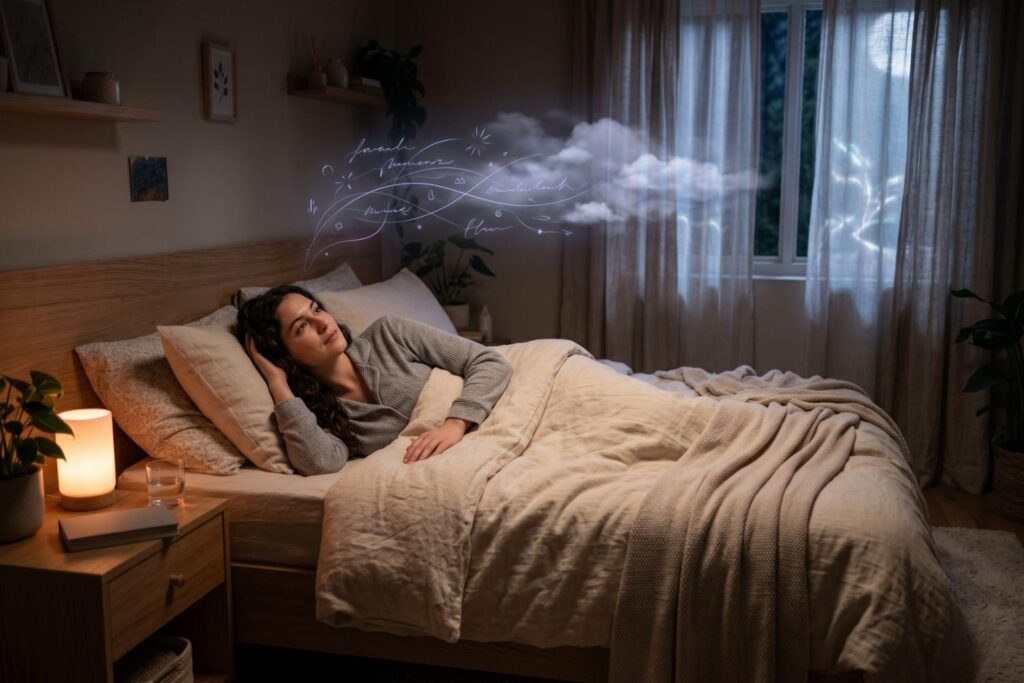
Nighttime can feel strangely different when you live with anxiety. The world becomes quiet, distractions fade away, and suddenly your thoughts feel louder than ever. If you’ve ever found yourself lying in bed with a racing mind, overthinking everything from small mistakes to future worries, you’re not alone.
Many people experience heightened anxiety at night, even if they feel relatively fine during the day. This shift can be confusing and frustrating, especially when all you want is rest.
In this article, we’ll explore why anxiety at night feels more intense, what causes it, and practical ways you can calm your mind so you can finally sleep peacefully again.
Why Anxiety Feels Worse at Night
Nighttime anxiety isn’t just in your head—it has real psychological and biological reasons behind it.
1. Fewer distractions = more thoughts
During the day, your brain is busy:
- Work tasks
- Conversations
- Screens and notifications
- Daily responsibilities
At night, all of that stops. The silence gives your mind space to replay thoughts you didn’t have time to process earlier.
This is when worries like:
- “Did I say the wrong thing today?”
- “What if something goes wrong tomorrow?”
- “Why do I feel like this?”
start to feel louder and harder to ignore.
2. Your brain shifts into “processing mode”
At night, your brain naturally begins processing emotions and memories from the day. For someone dealing with anxiety, this process can become overactive, leading to rumination—repetitive negative thinking that feels hard to control.
3. Fatigue lowers emotional resistance
When you’re tired, your brain has less ability to regulate emotions. This means worries that you could normally manage during the day suddenly feel overwhelming at night.
4. Fear of not sleeping makes it worse
Ironically, worrying about sleep itself can increase anxiety. The thought of “I need to fall asleep now” creates pressure, which makes your body even more alert.
This creates a cycle:
Anxiety → can’t sleep → more anxiety → even less sleep
Understanding Nighttime Anxiety Patterns
If you experience frequent anxiety at night, you may notice patterns like:
- Racing thoughts when you lie down
- Physical restlessness
- Tight chest or shallow breathing
- Feeling “on edge” without reason
- Replaying conversations or future scenarios
- Difficulty staying asleep
These symptoms are common and often linked to stress, lifestyle habits, or emotional overload.
Common Causes of Anxiety at Night
Understanding the root cause can help you manage it better.
1. Chronic stress
Long-term stress builds up in your nervous system. Even when the day ends, your body stays in a heightened state of alertness.
2. Overthinking habit
If your mind is used to analyzing everything, it doesn’t “switch off” at bedtime.
3. Poor sleep routine
Irregular sleep schedules confuse your internal body clock, making it harder to relax at night.
4. Emotional suppression during the day
When emotions are ignored or pushed aside during the day, they often resurface at night.
5. Screen exposure before bed
Blue light and constant stimulation from phones or laptops can keep your brain active longer than it should be.
How to Calm Anxiety at Night and Sleep Peacefully Again
Now let’s focus on what actually helps.
1. Create a “wind-down” routine
Your brain needs signals that the day is ending.
Try:
- Dim lighting 1 hour before bed
- Avoiding heavy conversations at night
- Doing relaxing activities like reading or stretching
Consistency is key—your brain learns through repetition.
2. Practice slow breathing techniques
One of the fastest ways to calm anxiety is controlled breathing.
Try this:
- Inhale for 4 seconds
- Hold for 4 seconds
- Exhale for 6–8 seconds
Repeat for 5–10 minutes.
This signals your nervous system to relax.
3. Write down your thoughts
If your mind feels “too full,” write everything down before bed.
This helps because:
- It removes mental clutter
- It gives structure to thoughts
- It reduces overthinking in bed
Even 5 minutes of journaling can make a difference.
4. Limit screen exposure
Try to avoid screens at least 30–60 minutes before sleep.
Instead of scrolling:
- Listen to calm music
- Read a physical book
- Try meditation audio
5. Ground your body when anxiety spikes
If you wake up anxious or can’t sleep:
Try the 5-4-3-2-1 technique:
- 5 things you can see
- 4 things you can touch
- 3 things you can hear
- 2 things you can smell
- 1 thing you can taste
This brings your mind back to the present moment.
6. Don’t fight sleep
Trying too hard to sleep increases pressure. Instead:
- Accept wakefulness
- Relax your body
- Focus on resting, not forcing sleep
Sometimes sleep comes when you stop chasing it.
7. Improve your daytime anxiety management
Night anxiety often reflects daytime stress.
Helpful habits include:
- Regular exercise
- Balanced meals
- Reducing caffeine
- Talking about your emotions
- Taking breaks during work
When to Seek Extra Help
If nighttime anxiety is:
- Frequent
- Disrupting your sleep regularly
- Affecting your daily functioning
It may help to talk to a mental health professional. Therapy can help you understand underlying triggers and build long-term coping strategies.
Final Thoughts
Experiencing anxiety at night can feel isolating, but it’s actually very common. Your mind isn’t working against you—it’s simply overloaded and trying to process too much at once.
With the right habits, calming techniques, and awareness, you can gradually train your mind to slow down and allow restful sleep again.