
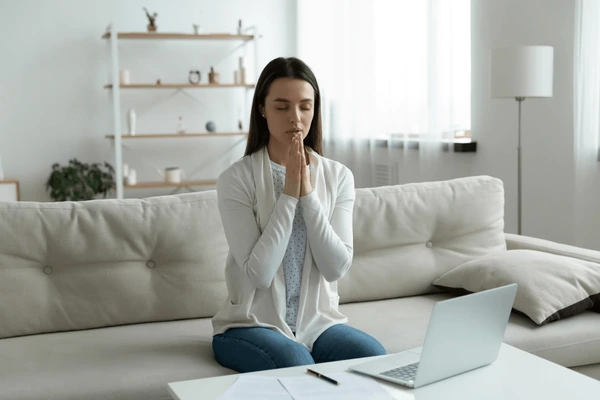
People-pleasing and anxiety often go hand in hand. While wanting to make others happy may seem harmless, it can sometimes intensify feelings of stress, self-doubt, and emotional exhaustion. Understanding this connection is crucial for building healthier relationships and stronger mental well-being.
The People-Pleaser Mindset
People-pleasers often prioritize others’ needs over their own, fearing rejection or criticism. This constant need for validation can trigger or worsen anxiety, as the individual is continuously monitoring their behavior to ensure approval. Over time, this habit can lead to chronic stress and difficulty asserting personal boundaries.
How Anxiety and People-Pleasing Are Linked
Anxiety thrives on uncertainty, and people-pleasers live in a state of constant worry about what others think. This can manifest in several ways:
- Fear of rejection: People-pleasers may avoid conflict to prevent upsetting others, leading to heightened anxiety.
- Overcommitment: Saying yes to everything can overwhelm and exhaust, creating anxiety-inducing pressure.
- Self-criticism: When expectations aren’t met, people-pleasers often internalize failure, amplifying anxious thoughts.
Coping Strategies for People-Pleasers
Breaking the cycle of people-pleasing requires awareness and practical tools. Here are some proven anxiety coping strategies to help:
- Set Clear Boundaries – Learn to say no without guilt. Boundaries protect your time and mental health.
- Practice Self-Validation – Rely on your own approval rather than seeking constant external validation.
- Mindfulness Techniques – Being present can reduce overthinking about others’ reactions.
- Therapeutic Support – Speaking with a professional can provide personalized strategies for managing anxiety.
Techniques to Manage Social Anxiety
People-pleasing often intersects with dealing with social anxiety. Overanalyzing social interactions and fearing judgment can intensify anxious feelings. Using structured approaches like role-playing social scenarios, deep breathing, and gradual exposure can help build confidence. Learn more about how to manage anxiety in social settings.
Daily Tips to Reduce Anxiety
Implementing small, consistent habits can significantly improve well-being. Consider incorporating daily tips for anxiety such as:
- Journaling thoughts to release tension
- Practicing gratitude to shift focus from fear to positivity
- Engaging in light physical activity to reduce stress hormones
Exploring Natural Remedies
For those seeking holistic approaches, natural remedies for anxiety like herbal teas, aromatherapy, and calming supplements may complement other strategies. Always consult with a healthcare provider before starting new remedies.
Conclusion
Understanding the link between anxiety and people-pleasing is the first step toward reclaiming your mental and emotional freedom. By adopting effective coping strategies, practicing self-care, and setting healthy boundaries, you can reduce anxiety, foster authentic connections, and embrace a more balanced life.
For more tips, tools, and strategies, explore our anxiety relief techniques to start your journey toward a calmer, more confident you.