Heart health is one of the most important aspects of overall wellness, yet many heart conditions can develop silently without obvious symptoms. When doctors need a closer look at how your heart performs during physical activity, they often recommend a stress test. But what is a stress test, and why is it such a valuable tool in modern healthcare?
A stress test helps medical professionals evaluate how well your heart functions when it’s working harder than usual. Since exercise increases your heart rate and blood flow demands, a stress test can reveal issues that may not be noticeable when your body is at rest.
Whether you’re experiencing chest pain, shortness of breath, dizziness, or have risk factors for heart disease, understanding the purpose and process of a stress test can help you feel more informed and prepared.
What Is a Stress Test?
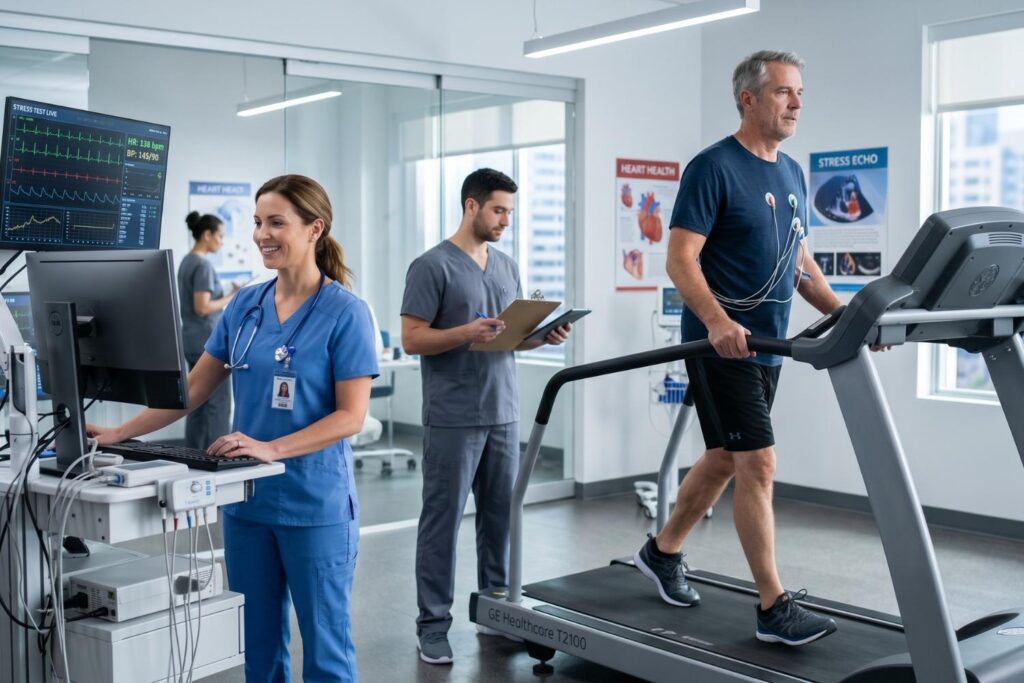
A stress test, also known as an exercise stress test or cardiac stress test, is a diagnostic procedure that measures how your heart responds to physical exertion. During the test, your heart activity is monitored while you exercise on a treadmill or stationary bicycle.
The primary goal is to determine whether enough blood and oxygen are reaching your heart muscle during periods of increased demand.
In some cases, people are unable to exercise due to physical limitations. In these situations, doctors may use medications that mimic the effects of exercise by temporarily increasing heart activity.
Why Is a Stress Test Performed?
Doctors recommend stress tests for several reasons. The test provides valuable information about heart function and helps identify cardiovascular issues before they become more serious.
Common reasons for a stress test include:
- Investigating chest pain or discomfort
- Evaluating shortness of breath
- Detecting coronary artery disease
- Assessing irregular heart rhythms
- Monitoring heart health after treatment
- Determining safe exercise levels
- Evaluating the effectiveness of heart medications
- Screening individuals with significant heart disease risk factors
A stress test can help doctors decide whether additional testing or treatment is necessary.
How Does a Stress Test Work?
During physical activity, your muscles require more oxygen-rich blood. To meet this demand, your heart must pump faster and harder.
If narrowed or blocked arteries limit blood flow, symptoms and abnormal heart activity may appear during exercise. A stress test monitors these changes through:
- Heart rate measurements
- Blood pressure readings
- Electrocardiogram (ECG) recordings
- Breathing patterns
- Physical symptoms
The collected information allows healthcare providers to evaluate how effectively your heart performs under stress.
Types of Stress Tests
Several types of stress tests are available depending on your health condition and the information your doctor needs.
Exercise Stress Test
This is the most common type of stress test.
You walk on a treadmill or pedal a stationary bike while your heart rhythm, blood pressure, and breathing are monitored. The intensity gradually increases until a target heart rate is achieved or symptoms develop.
Stress Echocardiogram
A stress echocardiogram combines exercise with ultrasound imaging.
Images of your heart are taken before and immediately after exercise to assess how effectively the heart muscle contracts and pumps blood.
Nuclear Stress Test
A nuclear stress test involves a small amount of radioactive tracer injected into your bloodstream.
Special cameras capture images showing blood flow to your heart during rest and exercise. This test can identify areas with reduced circulation.
Pharmacological Stress Test
Some individuals cannot exercise due to medical conditions, injuries, or mobility limitations.
In these situations, medications are administered to increase heart workload similarly to physical activity while monitoring heart performance.
Preparing for a Stress Test
Proper preparation helps ensure accurate results.
Your doctor may provide specific instructions depending on your health status and the type of stress test being performed.
General preparation guidelines include:
Avoid Eating Before the Test
You may be asked not to eat, drink, or smoke for several hours beforehand.
Wear Comfortable Clothing
Choose loose-fitting clothes and supportive walking shoes suitable for exercise.
Discuss Medications
Some medications can affect test results. Always ask your healthcare provider whether you should continue taking them before the procedure.
Avoid Caffeine
For certain stress tests, especially nuclear stress tests, caffeine may need to be avoided for at least 24 hours beforehand.
What Happens During a Stress Test?
Although procedures vary slightly, most stress tests follow similar steps.
Initial Evaluation
Before exercise begins:
- Electrodes are attached to your chest
- Blood pressure is measured
- Resting ECG readings are recorded
- Medical history and symptoms are reviewed
Exercise Phase
You begin exercising at a slow pace.
The treadmill speed or bike resistance gradually increases every few minutes while healthcare professionals monitor your body’s response.
Monitoring
Throughout the test, the medical team tracks:
- Heart rhythm
- Blood pressure
- Heart rate
- Breathing
- Symptoms such as chest discomfort or dizziness
Recovery Phase
After exercise ends, monitoring continues for several minutes while your heart rate and blood pressure return to normal.
What Do Stress Test Results Mean?
Results can be categorized as normal, abnormal, or inconclusive.
Normal Results
A normal stress test suggests:
- Adequate blood flow to the heart
- Normal heart rhythm during exercise
- Healthy exercise tolerance
- No significant signs of coronary artery disease
While reassuring, a normal result does not completely eliminate the possibility of future heart problems.
Abnormal Results
Abnormal findings may indicate:
- Reduced blood flow to portions of the heart
- Coronary artery disease
- Heart rhythm abnormalities
- Previous heart damage
- Structural heart issues
Additional testing may be required to confirm the diagnosis.
Inconclusive Results
Sometimes results are unclear due to:
- Inability to reach target heart rate
- Medication interference
- Technical limitations
- Other medical conditions
Further cardiac evaluation may be recommended.
Who May Need a Stress Test?
Not everyone requires a stress test.
Doctors generally recommend one for individuals with symptoms or risk factors suggesting possible heart disease.
You may need a stress test if you experience:
- Chest pain
- Unexplained shortness of breath
- Heart palpitations
- Dizziness during physical activity
- Fatigue with exertion
You may also be a candidate if you have:
- High blood pressure
- Diabetes
- High cholesterol
- Family history of heart disease
- Smoking history
- Previous heart attack
Benefits of a Stress Test
Stress testing offers several advantages for both patients and healthcare providers.
Early Detection
The test can identify cardiovascular problems before they become life-threatening.
Personalized Treatment
Results help doctors tailor treatment plans based on individual heart function.
Exercise Guidance
Stress tests can determine safe activity levels for patients recovering from heart conditions.
Monitoring Progress
Doctors often use stress tests to evaluate treatment effectiveness over time.
Risks and Potential Side Effects
Stress tests are generally considered safe and are routinely performed worldwide.
However, as with any medical procedure, there are some risks.
Possible side effects include:
- Fatigue
- Dizziness
- Shortness of breath
- Temporary chest discomfort
- Changes in blood pressure
Rare complications may include:
- Abnormal heart rhythms
- Heart attack
- Fainting
Medical professionals closely monitor patients to minimize risks and respond quickly if complications arise.
Stress Test vs Other Heart Tests
A stress test is only one tool used to assess heart health.
Other common cardiac tests include:
Electrocardiogram (ECG)
Measures electrical activity while the body is at rest.
Echocardiogram
Uses ultrasound waves to visualize heart structures and function.
Cardiac CT Scan
Provides detailed images of heart anatomy and blood vessels.
Coronary Angiography
Uses contrast dye and imaging technology to identify blocked arteries.
Your doctor may combine several tests to obtain a complete picture of your cardiovascular health.
When Should You Talk to a Doctor?
If you experience symptoms that may indicate a heart problem, seek medical attention promptly.
Warning signs include:
- Chest pressure or pain
- Shortness of breath
- Rapid or irregular heartbeat
- Fainting episodes
- Severe fatigue during routine activities
Early evaluation can lead to earlier treatment and improved outcomes.
Frequently Asked Questions
Is a stress test painful?
No. Most people experience only normal exercise-related fatigue. Any discomfort should be reported immediately to the medical staff.
How long does a stress test take?
A standard exercise stress test usually lasts between 30 and 60 minutes, including preparation and recovery time.
Can a stress test detect blocked arteries?
Yes, stress tests can help identify signs of reduced blood flow that may suggest blocked or narrowed arteries.
What happens if my stress test is abnormal?
Your doctor may recommend additional tests, medications, lifestyle changes, or specialized treatments depending on the findings.
Can I drive home after a stress test?
Most individuals can resume normal activities shortly afterward. However, follow your doctor’s specific instructions, especially after nuclear or medication-induced stress tests.
Final Thoughts
Understanding what is a stress test can help reduce anxiety if your doctor recommends one. This valuable diagnostic tool provides important information about how your heart functions during physical activity and can help detect potential cardiovascular problems early.
Whether you’re experiencing symptoms, managing risk factors, or monitoring an existing heart condition, a stress test offers insights that guide diagnosis, treatment, and long-term heart health decisions.
If your healthcare provider recommends a stress test, following preparation instructions and discussing any concerns beforehand can help ensure the most accurate and beneficial results.