
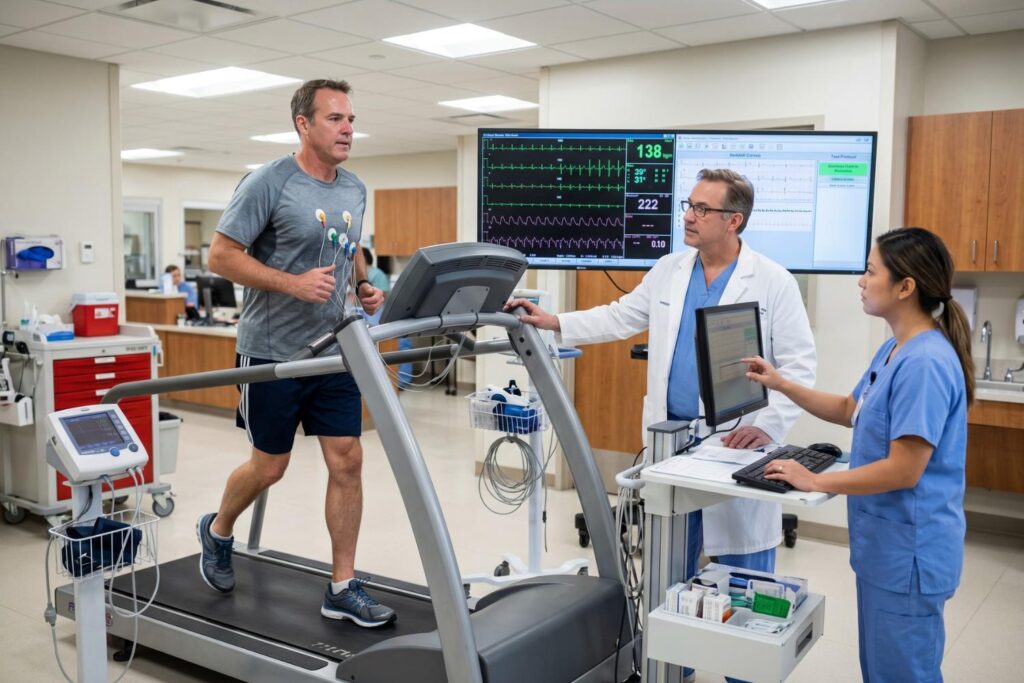
A stress test is one of the most common medical procedures doctors use to evaluate how well your heart functions during physical activity. Since exercise makes the heart pump faster and harder, a stress test can reveal problems that may not be noticeable when the body is at rest. Whether you’re experiencing chest pain, shortness of breath, dizziness, or irregular heartbeats, a doctor may recommend a stress test to identify potential heart-related issues early.
In today’s fast-paced world, heart health has become more important than ever. Stress, unhealthy diets, lack of exercise, and chronic conditions like diabetes and high blood pressure can increase the risk of cardiovascular disease. Understanding how a stress test works, the different types available, and what to expect during the procedure can help ease anxiety and prepare you for the experience.
If you’ve ever wondered what happens during a stress test, how accurate it is, or why your doctor recommended one, this guide covers everything you need to know.
What Is a Stress Test?
A stress test—also called an exercise stress test or treadmill test—is a diagnostic procedure used to assess how your heart performs under physical exertion. During the test, your heart rate, breathing, blood pressure, and electrical activity are monitored while you walk on a treadmill or pedal a stationary bike.
The main goal of a stress test is to determine whether enough blood and oxygen are reaching your heart during increased activity. It can also help detect abnormal heart rhythms, blocked arteries, and other cardiovascular conditions.
Doctors often recommend a stress test when patients experience symptoms such as:
- Chest discomfort or pain
- Shortness of breath
- Fatigue during physical activity
- Irregular heartbeat
- Dizziness or fainting
- Unexplained weakness
A stress test may also be used to evaluate the effectiveness of heart treatments or to determine a safe exercise plan for patients recovering from heart conditions.
Why Is a Stress Test Important?
Heart disease remains one of the leading causes of death worldwide. Many heart problems develop silently and only become noticeable when the heart is under strain. A stress test provides valuable insight into how your heart handles increased demand.
Key Benefits of a Stress Test
1. Detects Coronary Artery Disease
One of the biggest advantages of a stress test is its ability to identify reduced blood flow caused by narrowed or blocked arteries.
2. Evaluates Heart Rhythm
The test can uncover irregular heart rhythms that may only appear during physical activity.
3. Measures Exercise Tolerance
A stress test helps determine how well your heart handles exercise and physical exertion.
4. Guides Treatment Plans
Doctors can use stress test results to recommend medications, lifestyle changes, or additional procedures.
5. Assesses Recovery After Heart Procedures
Patients recovering from heart surgery or a heart attack may undergo a stress test to monitor progress.
Types of Stress Tests
There are several kinds of stress tests, and the right one depends on your symptoms, medical history, and physical condition.
1. Exercise Stress Test
This is the most common form of stress test. You walk on a treadmill or ride a stationary bicycle while healthcare professionals monitor your heart activity.
How It Works
- Electrodes are attached to your chest.
- Blood pressure and heart rate are monitored.
- The intensity gradually increases.
- The test continues until your target heart rate is reached or symptoms occur.
Best For
- Detecting heart disease
- Evaluating chest pain
- Assessing fitness levels
2. Nuclear Stress Test
A nuclear stress test uses a small amount of radioactive dye and imaging technology to show blood flow to the heart.
How It Works
- A tracer is injected into your bloodstream.
- Images are taken before and after exercise.
- Areas with poor blood flow appear differently on scans.
Benefits
- Provides detailed heart images
- Detects blocked arteries more accurately
- Identifies previous heart damage
3. Stress Echocardiogram
This type combines a traditional stress test with ultrasound imaging.
How It Works
- Ultrasound images are taken before exercise.
- You perform physical activity.
- Additional images are captured afterward.
Purpose
- Evaluates heart muscle function
- Detects blood flow problems
- Assesses valve function
4. Pharmacological Stress Test
Not everyone can exercise safely. In such cases, doctors use medications to mimic the effects of exercise on the heart.
Common Reasons for This Test
- Physical disabilities
- Severe arthritis
- Respiratory conditions
- Recovery from surgery
The medication increases heart activity similarly to exercise while doctors monitor heart performance.
What Happens Before a Stress Test?
Preparing properly for a stress test helps ensure accurate results.
Common Preparation Instructions
Avoid Eating or Drinking
Doctors may ask you not to eat, drink, or smoke for several hours before the procedure.
Limit Caffeine
Caffeine can interfere with certain stress tests, especially nuclear stress tests.
Wear Comfortable Clothing
Athletic shoes and loose-fitting clothes are usually recommended.
Medication Instructions
Some medications may affect test results. Always follow your doctor’s instructions regarding prescriptions.
What to Expect During the Procedure
Understanding the process can reduce nervousness and help you feel more comfortable.
Step 1: Electrode Placement
Small sticky patches called electrodes are attached to your chest to monitor your heart’s electrical activity.
Step 2: Baseline Measurements
Your blood pressure, heart rate, and breathing are checked before exercise begins.
Step 3: Exercise Phase
You’ll begin walking on a treadmill or cycling at a slow pace. The intensity gradually increases every few minutes.
Step 4: Monitoring Symptoms
Medical staff monitor for:
- Chest pain
- Dizziness
- Shortness of breath
- Fatigue
- Abnormal ECG changes
Step 5: Recovery Period
After exercise stops, monitoring continues while your heart rate returns to normal.
The entire procedure typically lasts between 30 and 60 minutes.
Is a Stress Test Safe?
A stress test is generally considered safe for most people. Medical professionals closely supervise the procedure to respond quickly if complications occur.
Possible Risks
Although rare, potential risks include:
- Irregular heart rhythms
- Low blood pressure
- Chest pain
- Heart attack (extremely uncommon)
Doctors evaluate your medical history beforehand to minimize risks.
Understanding Stress Test Results
Results from a stress test help determine how well your heart functions during physical activity.
Normal Results
A normal result means:
- Your heart receives enough blood during exercise.
- No major abnormalities were detected.
- Heart rhythm remained stable.
Abnormal Results
Abnormal findings may indicate:
- Reduced blood flow
- Coronary artery disease
- Heart rhythm disorders
- Poor physical conditioning
Sometimes additional testing is required for a clearer diagnosis.
Who Should Get a Stress Test?
Doctors may recommend a stress test for individuals with symptoms or risk factors related to heart disease.
Common Candidates Include:
- Adults with chest pain
- Individuals with diabetes
- People with high blood pressure
- Smokers
- Those with a family history of heart disease
- Patients recovering from heart procedures
Athletes and individuals beginning intense exercise programs may also undergo testing for safety evaluations.
Stress Test vs. Other Heart Tests
Many people confuse a stress test with other cardiac procedures.
| Test | Purpose |
|---|---|
| Stress Test | Measures heart performance during activity |
| ECG/EKG | Records heart’s electrical signals at rest |
| Echocardiogram | Uses ultrasound to image the heart |
| CT Angiogram | Examines arteries for blockages |
| Holter Monitor | Tracks heart rhythm over 24–48 hours |
Each test provides unique information about heart health.
How Accurate Is a Stress Test?
While a stress test is highly useful, no medical test is perfect.
Accuracy Factors Include:
- Age
- Gender
- Existing medical conditions
- Type of stress test used
Sometimes false positives or false negatives occur. That’s why doctors may combine stress testing with imaging studies for more accurate results.
Tips for Reducing Anxiety Before a Stress Test
Feeling nervous before a medical procedure is normal. Here are some simple ways to stay calm:
- Learn about the procedure beforehand
- Wear comfortable clothing
- Arrive early
- Avoid caffeine if instructed
- Ask your doctor questions
- Focus on steady breathing
Knowing what to expect can make the process much less intimidating.
Lifestyle Changes for Better Heart Health
Whether your stress test results are normal or abnormal, maintaining heart health is essential.
Healthy Habits Include:
- Regular exercise
- Eating balanced meals
- Reducing processed foods
- Managing stress
- Quitting smoking
- Monitoring blood pressure and cholesterol
- Getting enough sleep
Small daily improvements can significantly lower the risk of heart disease over time.
Frequently Asked Questions About Stress Tests
How long does a stress test take?
Most stress tests take between 30 minutes and one hour.
Can I drive home afterward?
In most cases, yes. However, some medications used during certain tests may require temporary observation.
Will the test hurt?
The procedure is generally painless, though exercise may cause temporary fatigue.
What if I can’t exercise?
Doctors can perform a pharmacological stress test using medication instead of physical activity.
How soon will I get results?
Some results are available immediately, while imaging studies may take a few days for complete analysis.
Final Thoughts
A stress test is a valuable diagnostic tool that helps doctors evaluate heart health, detect cardiovascular problems, and guide treatment decisions. Whether you’re experiencing symptoms or simply monitoring an existing condition, understanding the process can make the experience less stressful and more manageable.
By learning about the different types of stress tests, preparation steps, benefits, and possible outcomes, patients can approach the procedure with greater confidence and peace of mind. Early detection of heart issues often leads to better treatment outcomes, making a stress test an important part of preventive healthcare.
If your doctor recommends a stress test, it’s not necessarily a sign something is seriously wrong. Instead, it’s a proactive step toward understanding and protecting your heart health for the future.