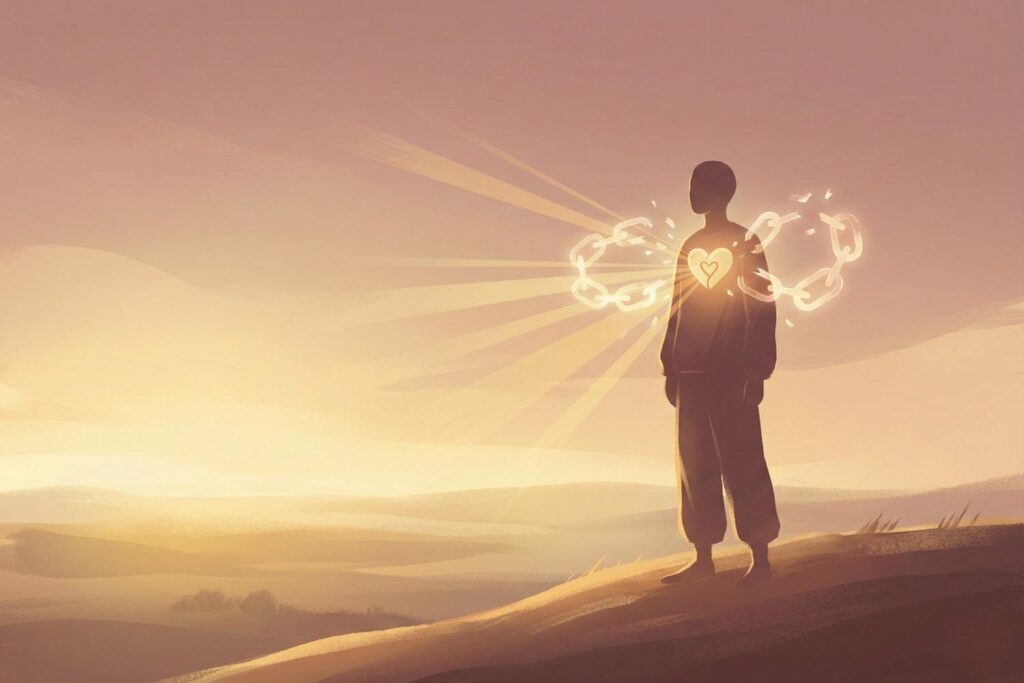
Have you ever felt emotionally attached to someone long after the relationship ended? Do you find yourself constantly thinking about a person who hurt you, even when you know they were not right for you? If so, you may be experiencing what many people describe as a soul tie.
A soul tie is often described as a deep emotional, spiritual, or energetic connection between two people. While some connections are healthy and uplifting, others can become toxic and draining. When a soul tie is rooted in trauma, manipulation, or unhealthy attachment, it can keep you stuck in emotional cycles that prevent healing and growth.
In this article, we’ll explore what a soul tie really is, six powerful signs you may have one, and practical steps to break toxic ties so you can reclaim your peace and emotional freedom.
What Is a Soul Tie?
A soul tie refers to a strong emotional or spiritual bond formed with another person. These connections are often created through:
- Intense emotional experiences
- Physical intimacy
- Shared trauma
- Long-term relationships
- Deep vulnerability
Healthy soul ties can exist in marriages, deep friendships, or supportive partnerships. However, when the connection becomes obsessive, painful, or emotionally dependent, it may be a toxic soul tie.
Unlike normal attachment, a toxic soul tie feels difficult to break—even when logic tells you the relationship was unhealthy.
6 Signs You May Have a Soul Tie
1. You Constantly Think About Them
One of the most common signs of a soul tie is persistent, intrusive thoughts about the person. Even when you try to move on, your mind keeps replaying memories, conversations, or fantasies.
You may:
- Compare new partners to them
- Romanticize the past
- Feel emotionally pulled back
This isn’t just nostalgia. A toxic soul tie often creates an emotional loop that keeps you mentally attached.
2. You Feel Emotionally Drained After Interactions
Healthy relationships leave you feeling supported and energized. A toxic soul tie, however, often leaves you feeling:
- Exhausted
- Confused
- Anxious
- Emotionally unstable
Even brief communication can disrupt your peace. If every interaction feels heavy or chaotic, that’s a red flag.
3. You Ignore Red Flags
Another strong sign of a soul tie is repeatedly overlooking harmful behavior. You may:
- Excuse toxic actions
- Blame yourself
- Justify their mistreatment
- Minimize emotional pain
When a soul tie is present, emotional attachment can override logic and self-respect.
4. You Struggle to Move On
Time passes, but the emotional grip remains. Even after months or years, you may still feel connected. You might:
- Stalk their social media
- Feel triggered by their new relationships
- Replay old memories
A toxic soul tie creates emotional dependency that makes detachment extremely difficult.
5. You Feel Incomplete Without Them
One dangerous effect of a soul tie is believing you are incomplete alone. You may feel:
- Lost without them
- Empty when single
- Afraid of being alone
This mindset creates emotional dependence instead of healthy love.
6. The Relationship Was Intense and Fast
Many toxic soul ties form quickly. The connection may have felt:
- Instant
- Magnetic
- Overwhelming
- “Too good to be true”
Fast emotional bonding can sometimes be linked to trauma bonding rather than genuine compatibility.
Why Toxic Soul Ties Form
Understanding why a soul tie forms can help you break it.
1. Trauma Bonding
Shared pain can create deep emotional attachments.
2. Low Self-Worth
If you struggle with self-esteem, you may attach deeply to anyone who gives validation.
3. Fear of Abandonment
Past rejection or childhood wounds can intensify attachment.
4. Physical Intimacy
For many people, intimacy strengthens emotional bonds significantly.
How to Break a Toxic Soul Tie
Breaking a soul tie requires emotional courage and intentional healing. Here are practical steps:
1. Acknowledge the Tie
Healing begins with awareness. Admit that a soul tie exists and that it is unhealthy.
Journaling can help:
- What did this relationship teach me?
- What did it cost me emotionally?
- What patterns do I notice?
Honest reflection weakens emotional illusions.
2. Cut Off Contact
No contact is often necessary to break a toxic soul tie.
This may include:
- Blocking on social media
- Deleting messages
- Removing reminders
- Avoiding shared spaces
Distance allows your nervous system to reset.
3. Release Emotional Energy
Emotional detachment requires intentional release. Try:
- Meditation
- Breathwork
- Prayer
- Visualization exercises
- Writing a goodbye letter (without sending it)
These rituals help break energetic attachments tied to a soul tie.
4. Rebuild Your Identity
Toxic attachments often blur identity. To heal from a soul tie, reconnect with yourself:
- Rediscover hobbies
- Set new goals
- Strengthen friendships
- Focus on personal growth
The stronger your identity becomes, the weaker the tie feels.
5. Seek Professional Support
Therapy can help identify deeper attachment wounds connected to a soul tie. A therapist can guide you through:
- Trauma healing
- Attachment repair
- Emotional regulation
- Self-worth rebuilding
There is strength in asking for help.
6. Replace Attachment With Self-Love
You cannot remove a soul tie without filling the emotional space it occupied.
Practice:
- Daily affirmations
- Gratitude journaling
- Self-care rituals
- Setting boundaries
Healthy self-love prevents future toxic attachments.
What Happens After You Break a Soul Tie?
At first, breaking a soul tie may feel painful. You may experience:
- Grief
- Emotional withdrawal
- Loneliness
- Cravings to reconnect
But over time, clarity replaces confusion.
You begin to:
- Think more clearly
- Feel emotionally stable
- Experience peace
- Attract healthier connections
Freedom feels lighter than attachment.
How to Prevent Future Toxic Soul Ties
Once you heal, prevention becomes key.
1. Take Relationships Slowly
Avoid rushing emotional intimacy.
2. Watch for Red Flags
Pay attention to inconsistency, manipulation, or love bombing.
3. Strengthen Boundaries
Boundaries protect emotional energy.
4. Heal Past Wounds
Unresolved trauma increases vulnerability to unhealthy attachments.
Healthy vs Toxic Soul Ties
| Healthy Soul Tie | Toxic Soul Tie |
|---|---|
| Mutual respect | Emotional control |
| Emotional support | Emotional draining |
| Encourages growth | Stunts growth |
| Safe attachment | Anxiety-based attachment |
Not all deep connections are bad. The key difference lies in whether the connection supports or sabotages your wellbeing.
Final Thoughts
A soul tie can feel powerful, consuming, and even spiritual. But not all strong connections are meant to stay. Some come to teach, not to remain.
If you recognize the signs of a toxic soul tie, know that healing is possible. You are not weak for feeling deeply. You are human.
Breaking a toxic attachment is not about forgetting someone—it’s about choosing yourself. It’s about reclaiming your peace, restoring your confidence, and creating space for healthier love.
Your heart deserves safety, not chaos.
Your mind deserves clarity, not confusion.
And your soul deserves freedom.