
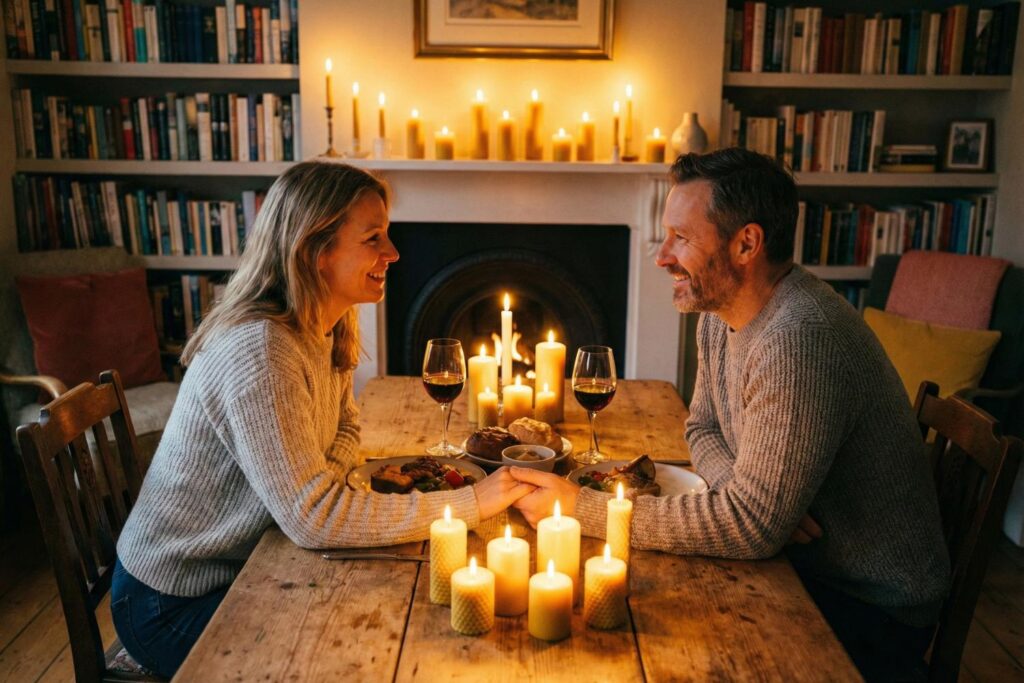
Romance isn’t just about grand gestures or expensive gifts—it’s about creating meaningful connections and nurturing love every day. Learning how to be romantic is about understanding your partner, expressing appreciation, and showing thoughtfulness in ways that resonate deeply.
In today’s fast-paced world, couples often get caught up in routines, leaving little room for intimacy or emotional connection. Romance becomes not only a tool to spark attraction but also a vital practice to strengthen relationships over time. This guide explores simple yet powerful strategies to help you deepen your emotional bond and express love in authentic, heartfelt ways.
1. Understanding the Heart of Romance
Romance starts with emotional awareness. Being romantic is not about meeting societal expectations; it’s about showing your partner that they are valued, understood, and cherished. Small acts of kindness, genuine compliments, or simply spending quality time together can make a lasting impression.
Studies in relationship psychology highlight that couples who regularly express appreciation and affection report higher satisfaction and lower stress. By focusing on your partner’s needs and emotions, you create a safe and loving environment where romance naturally flourishes. Practicing how to be romantic is a commitment to maintaining emotional intimacy daily, even in small ways.
2. Communication is Key
Open, honest communication forms the foundation of romantic connection. Expressing your feelings, desires, and appreciations verbally ensures your partner feels understood and valued. Simple phrases like “I appreciate you” or “You make my day brighter” carry immense power when expressed sincerely.
Non-verbal communication is equally vital. Holding hands, gentle touches, or warm eye contact can communicate love without words. These gestures trigger emotional responses in the brain, releasing oxytocin—the hormone that fosters bonding and attachment.
One effective method is active listening. When your partner speaks, focus entirely on their words, emotions, and intentions. This level of attentiveness shows respect, validation, and love. Combining verbal affirmations with attentive listening is a practical approach to practicing how to be romantic consistently.
3. Thoughtful Gestures That Speak Volumes
Romance thrives in thoughtfulness. You don’t need extravagant plans; simple gestures often mean the most. Some examples include:
- Personalized notes or letters: A handwritten message expressing your love and gratitude can be cherished for years.
- Surprise acts of kindness: Making your partner’s favorite meal or leaving small gifts unexpectedly demonstrates attentiveness.
- Shared experiences: Planning a quiet picnic, stargazing, or a spontaneous day trip strengthens bonds and creates lasting memories.
Romantic gestures show that you notice your partner’s preferences and care about their happiness. When integrated into daily life, these small acts cumulatively deepen emotional connection. Practicing how to be romantic through thoughtful gestures ensures your relationship stays vibrant and fulfilling.
4. Emotional Support as Romance
Being romantic isn’t only about fun or surprises—it’s about emotional presence. Offering support during difficult times strengthens intimacy. Being empathetic, listening without judgment, and validating your partner’s feelings communicates love and commitment.
Romance in relationships is often misinterpreted as solely celebratory. In reality, shared vulnerability and emotional support create the strongest bonds. Showing compassion, encouragement, and patience demonstrates deep care, reinforcing your romantic connection over time.
Supporting your partner emotionally also includes celebrating their achievements, no matter how small. This encourages trust, openness, and mutual respect. Understanding how to be romantic means prioritizing your partner’s emotional wellbeing alongside physical affection.
5. Keeping the Spark Alive
Long-term relationships require intentional effort to maintain romance. Predictability and routine can make relationships feel stagnant. To counter this, introduce novelty and excitement:
- Plan surprises: A spontaneous weekend getaway or unexpected gift keeps things fresh.
- Learn something new together: Take a cooking or art class together to build shared experiences.
- Celebrate milestones creatively: Commemorate anniversaries, achievements, or meaningful dates in unique ways.
Romantic efforts should evolve with your relationship. Recognizing what brings joy to your partner at different stages helps maintain passion and emotional intimacy. Practicing how to be romantic requires creativity, attentiveness, and a willingness to adapt over time.
6. Romance Beyond Physical Intimacy
While physical intimacy is part of romantic relationships, true romance transcends it. Emotional closeness, shared values, and mutual respect are the pillars of lasting connection. Couples who cultivate emotional romance report higher satisfaction than those who rely solely on physical gestures.
Acts like sharing dreams, listening to fears, and celebrating personal growth together are crucial. Daily check-ins, expressing gratitude, and simply spending uninterrupted time together contribute to a deeper bond. Romance becomes a lifestyle rather than an event when integrated into everyday interactions.
Understanding how to be romantic in this holistic sense allows partners to feel loved and supported consistently, fostering long-term happiness and emotional resilience.
7. Romantic Mindset: Joy in the Everyday
Romance is not limited to grand occasions—it can thrive in ordinary moments. Approaching everyday life with playfulness, humor, and appreciation cultivates a joyful relationship. Laughing together, celebrating small victories, or simply savoring a quiet evening can be deeply romantic.
Being romantic also means prioritizing connection over perfection. Small imperfections, when embraced with love, become opportunities for growth and intimacy. Practicing how to be romantic is about cultivating a mindset where love and appreciation permeate daily life.
Conclusion
Romance is a practice, not a performance. Understanding how to be romantic involves emotional awareness, thoughtful gestures, and consistent care for your partner. By integrating simple yet powerful acts of love into your daily life, you can deepen emotional connection, foster intimacy, and nurture a lasting, joyful relationship.
True romance lies in authenticity, attentiveness, and shared vulnerability. Start today by embracing small, meaningful acts of love, and watch your relationship flourish in ways you never imagined.