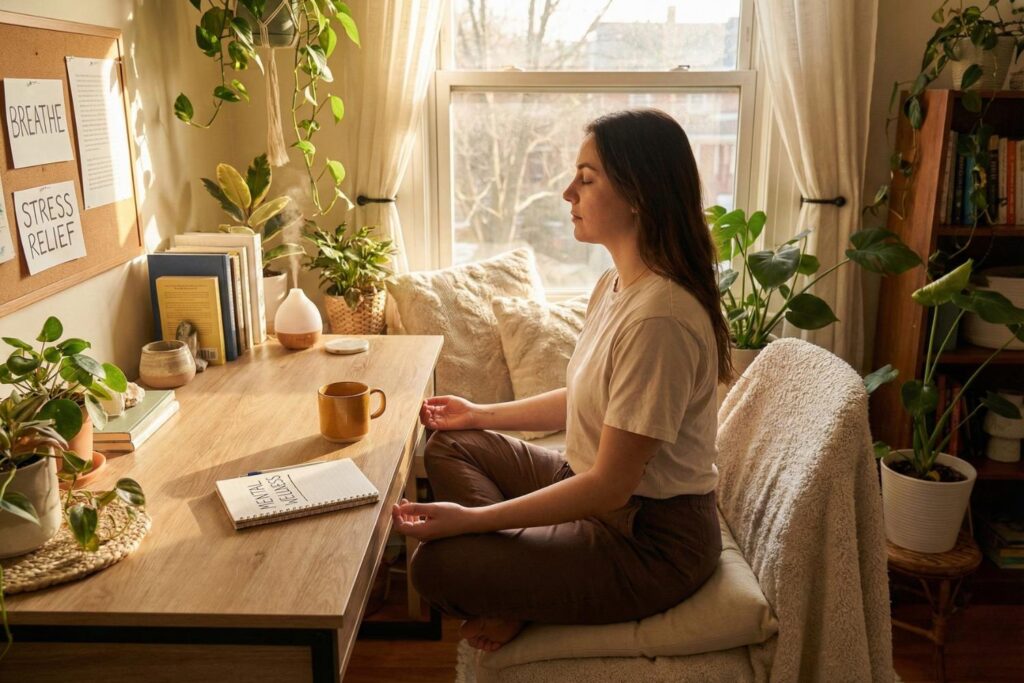
In today’s fast-paced world, anxiety and stress have become common experiences for many. Between juggling work, family, and personal goals, it’s easy to feel overwhelmed. While there are many self-help strategies available, one approach that’s gaining popularity is working with a mental health coach. Mental health coaching offers personalized support, practical strategies, and accountability to help you manage stress, reduce anxiety, and achieve emotional balance.
In this article, we’ll explore how a mental health coach can help, what techniques they use, and how you can benefit from working with one.
What is a Mental Health Coach?
A mental health coach is a trained professional who works with individuals to improve their emotional wellbeing, develop coping strategies, and build resilience. Unlike therapists, mental health coaches focus primarily on goal-setting, practical action plans, and behavioral changes rather than diagnosing or treating mental illnesses.
Mental health coaches provide guidance in areas such as:
- Stress management
- Anxiety reduction
- Mindfulness and meditation practices
- Emotional awareness and regulation
- Building healthy routines
- Work-life balance
By focusing on actionable steps, a mental health coach empowers you to take control of your mental health and develop long-lasting habits for emotional stability.
How a Mental Health Coach Can Help Reduce Anxiety
Anxiety can manifest in multiple ways, including racing thoughts, excessive worry, or physical symptoms like headaches and stomach issues. A mental health coach helps you manage anxiety by:
1. Identifying Triggers
A coach works with you to identify specific situations, environments, or thought patterns that trigger anxiety. Understanding these triggers is the first step in developing strategies to cope with them effectively.
Example: If workplace deadlines consistently trigger anxiety, a coach can help you implement time management techniques, prioritize tasks, and develop relaxation practices to ease tension.
2. Teaching Coping Techniques
Mental health coaches introduce clients to practical coping mechanisms, such as:
- Deep breathing exercises
- Mindfulness meditation
- Journaling thoughts and emotions
- Cognitive restructuring (reframing negative thoughts)
These tools empower you to manage anxiety in real-time rather than being overwhelmed by it.
3. Providing Accountability
Anxiety often worsens when goals and routines are inconsistent. Mental health coaches hold you accountable for practicing coping strategies regularly. Regular check-ins ensure that you stay committed to your emotional wellbeing journey.
How a Mental Health Coach Can Help Manage Stress
Stress is a natural response to life’s demands, but chronic stress can have serious health implications. A mental health coach helps you manage stress by focusing on prevention, lifestyle adjustments, and mindset shifts.
1. Personalized Stress Management Plans
A coach assesses your lifestyle, work patterns, and personal habits to create a stress management plan tailored to your needs. This plan may include:
- Structured daily routines
- Exercise and nutrition guidance
- Time management strategies
- Relaxation techniques like yoga or mindfulness
2. Teaching Mindfulness Practices
Mindfulness involves being fully present in the moment without judgment. Mental health coaches teach mindfulness techniques that reduce stress by helping you focus on the here and now rather than worrying about the past or future.
Example: Mindful breathing or guided meditations can lower cortisol levels and promote relaxation.
3. Enhancing Emotional Resilience
Stress often stems from how we react to challenges. A mental health coach helps you build emotional resilience, enabling you to respond to stress more calmly and effectively. They may use techniques such as:
- Cognitive Behavioral Coaching (CBC)
- Positive psychology interventions
- Goal-setting exercises to improve self-efficacy
The Benefits of Working with a Mental Health Coach
Engaging with a mental health coach offers numerous benefits beyond stress and anxiety management. Some of these include:
- Improved Self-Awareness: Understanding your emotions, triggers, and patterns helps you make informed decisions and avoid reactive behaviors.
- Better Coping Skills: You’ll develop a toolkit of techniques to handle stress, anxiety, and difficult situations effectively.
- Goal Achievement: Coaches help set realistic goals and provide guidance to achieve them, boosting confidence and motivation.
- Supportive Accountability: Regular sessions create a structured environment for progress and reflection.
- Long-Term Lifestyle Changes: Coaching focuses on sustainable changes, not quick fixes, ensuring lasting improvements in mental wellbeing.
Who Can Benefit from a Mental Health Coach?
Mental health coaching is suitable for anyone looking to improve their emotional wellbeing, including:
- Professionals experiencing workplace stress
- Students managing academic pressures
- Individuals navigating life transitions
- People struggling with anxiety or chronic stress
- Anyone seeking personal growth and self-improvement
Unlike therapy, coaching is proactive and goal-oriented, making it ideal for those seeking practical strategies to enhance daily life.
Finding the Right Mental Health Coach
When choosing a mental health coach, consider the following factors:
- Qualifications and Training: Look for certified coaches with experience in anxiety and stress management.
- Coaching Style: Ensure their approach aligns with your preferences, whether structured or flexible.
- Specialization: Some coaches specialize in specific areas, such as workplace stress, mindfulness, or life transitions.
- Accessibility: Consider online coaching options if in-person sessions are inconvenient.
- Compatibility: A good rapport with your coach ensures open communication and effective guidance.
What to Expect in Mental Health Coaching Sessions
Typically, mental health coaching sessions include:
- Initial Assessment: Understanding your goals, challenges, and current coping mechanisms.
- Goal-Setting: Establishing clear, actionable objectives for emotional wellbeing.
- Strategy Development: Creating a tailored plan with exercises, techniques, and lifestyle adjustments.
- Regular Check-Ins: Tracking progress, addressing challenges, and adjusting strategies.
- Skill Building: Learning tools for managing anxiety, stress, and emotional responses.
Most clients notice improvements in self-awareness, confidence, and emotional regulation within a few weeks of consistent coaching.
Integrating Coaching into Daily Life
To maximize the benefits of mental health coaching:
- Practice Techniques Daily: Incorporate breathing exercises, journaling, or mindfulness into your routine.
- Reflect on Progress: Keep a journal to monitor changes in stress and anxiety levels.
- Apply Strategies in Real Life: Use learned coping mechanisms in work, relationships, and personal challenges.
- Stay Committed: Consistency is key to long-term improvements.
Final Thoughts
Anxiety and stress are common, but they don’t have to control your life. Working with a mental health coach can provide guidance, accountability, and practical strategies to manage these challenges effectively. By investing in coaching, you take a proactive step toward emotional wellbeing, resilience, and a more balanced life.
Whether you’re looking to reduce anxiety, manage stress, or enhance personal growth, a mental health coach can help you create sustainable, positive change.