
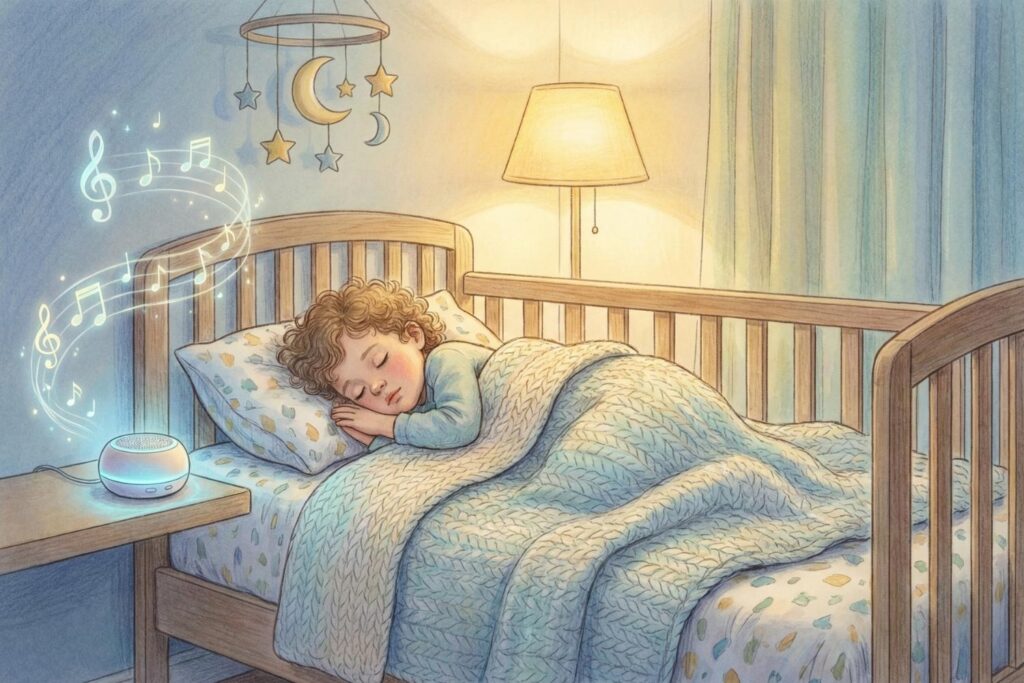
Getting preschoolers to fall asleep—and stay asleep—can be one of the biggest daily challenges for parents. Between boundless energy, active imaginations, and developing emotional awareness, young children often struggle to wind down at bedtime. One proven and gentle solution that parents around the world are turning to is sleeping music for preschoolers.
When used correctly, calming music can create a soothing bedtime routine, reduce nighttime anxiety, and promote deeper, more peaceful sleep. In this guide, we’ll explore how sleeping music helps preschoolers, the best types of music to use, scientific insights, safety tips, and how to create the perfect bedtime environment for your child.
Why Sleep Is So Important for Preschoolers
Preschoolers (ages 3–5) need 10–13 hours of sleep per day for healthy physical, emotional, and cognitive development. Quality sleep helps with:
- Brain development and memory retention
- Emotional regulation and behavior
- Strong immune system
- Healthy growth patterns
- Better focus and learning skills
Lack of proper sleep can lead to irritability, difficulty concentrating, mood swings, and even long-term developmental concerns.
This is where sleeping music for preschoolers becomes a powerful, natural sleep aid.
How Sleeping Music Helps Preschoolers Sleep Better
Music has a direct impact on the nervous system. Slow, calming sounds help the body shift from an alert state into a relaxed one, making it easier for children to drift into sleep.
Key Benefits of Sleeping Music for Preschoolers
- Calms the nervous system by lowering heart rate
- Reduces bedtime anxiety and restlessness
- Creates a predictable sleep routine
- Blocks distracting background noise
- Encourages longer and deeper sleep cycles
Soft music acts as a cue for the brain that it’s time to rest, making bedtime smoother and more enjoyable for both parents and children.
Best Types of Sleeping Music for Preschoolers
Not all music is suitable for sleep. The best sleeping music for preschoolers is slow, repetitive, and free from sudden changes in volume or tempo.
1. Lullabies
Traditional lullabies have been used for centuries because they naturally calm children.
Why they work:
- Simple melodies
- Gentle rhythm
- Familiar and comforting
Examples include instrumental lullabies or softly sung versions without lyrics.
2. Instrumental Music
Music without lyrics prevents mental stimulation and keeps the brain relaxed.
Recommended instruments:
- Piano
- Harp
- Acoustic guitar
- Flute
Instrumental tracks are ideal for continuous nighttime play.
3. Nature Sounds with Soft Music
Blending nature sounds with gentle music can be especially soothing.
Popular options:
- Rainfall
- Ocean waves
- Forest ambience
- Soft wind chimes
These sounds help preschoolers feel safe and secure.
4. White Noise and Pink Noise
While not music in the traditional sense, white and pink noise are excellent sleep tools.
- White noise blocks sudden sounds
- Pink noise is softer and more natural
They’re especially helpful for light sleepers.
5. Classical Music (Slow Tempo Only)
Some classical pieces are suitable, as long as they are slow and calm.
Avoid dramatic symphonies or loud crescendos.
Scientific Evidence Behind Sleeping Music for Preschoolers
Research shows that calming music can significantly improve sleep quality in children.
Studies suggest that:
- Music with 60–80 beats per minute helps synchronize breathing
- Slow music encourages the release of melatonin
- Consistent bedtime music improves sleep routines
Music therapy is often used in pediatric settings to help children relax, proving its effectiveness and safety.
How to Use Sleeping Music Effectively
Using sleeping music for preschoolers correctly is just as important as choosing the right music.
Ideal Volume Level
- Keep volume low and consistent
- It should be softer than normal conversation
- Never loud enough to wake the child
When to Start the Music
- Begin music 15–30 minutes before bedtime
- Use it during brushing teeth or story time
- This helps signal the brain that sleep is coming
How Long Should Music Play?
- 30–60 minutes is ideal
- Use a timer or auto-off feature
- Avoid playing all night unless necessary
Creating the Perfect Bedtime Environment
Sleeping music works best when combined with a calming sleep environment.
Bedtime Routine Tips
- Fixed bedtime schedule
- Warm bath before bed
- Dim lighting
- No screens 1 hour before sleep
Consistency strengthens the association between music and sleep.
Common Mistakes to Avoid
Even gentle music can backfire if used incorrectly.
❌ Playing music too loud
❌ Choosing upbeat or lyrical songs
❌ Changing tracks frequently
❌ Using screens to play music
❌ Starting music only after the child is overstimulated
Stick to simple, predictable patterns.
Is Sleeping Music Safe for Preschoolers?
Yes, sleeping music for preschoolers is safe when used responsibly.
Safety Guidelines
- Keep speakers at least 3–6 feet from the bed
- Use child-safe devices
- Avoid headphones during sleep
- Monitor reactions and adjust if needed
Every child is different—observe what works best for yours.
Signs That Sleeping Music Is Working
You’ll know the music is effective when:
- Your child falls asleep faster
- Bedtime resistance decreases
- Night wakings reduce
- Mood improves during the day
Consistency is key—results often improve over time.
How Parents Can Customize Sleep Music
Every preschooler has unique preferences.
Try:
- Different instruments
- Nature sounds vs. lullabies
- Shorter or longer playlists
Let your child help choose the music to build positive association.
Why Parents Trust Sleeping Music for Preschoolers
Parents love sleeping music because it’s:
- Drug-free
- Gentle and natural
- Easy to implement
- Affordable
- Backed by science
It’s one of the simplest tools for improving sleep without stress.
Final Thoughts
Healthy sleep is essential for your preschooler’s happiness, growth, and development. Using sleeping music for preschoolers can transform bedtime from a struggle into a peaceful bonding experience.
With the right music, proper routine, and calming environment, your child can enjoy deeper, more restful sleep—night after night.