
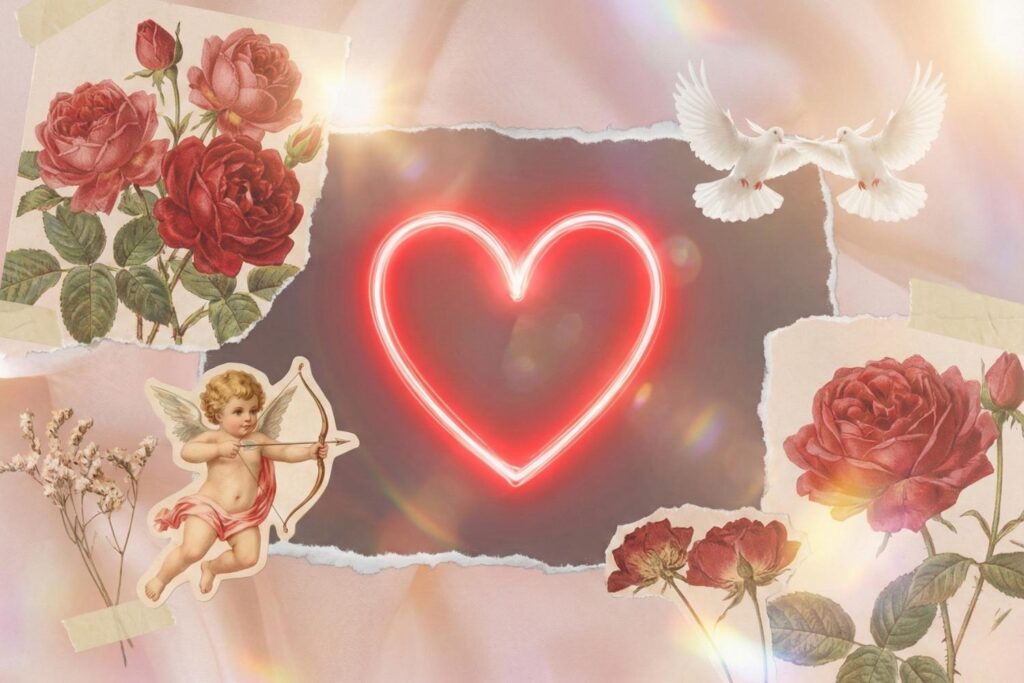
Love has inspired art, poetry, and rituals for centuries, and over time, various symbols of love have emerged to represent this profound emotion. From the universally recognized heart to cultural icons like the red rose or Cupid, these symbols carry deep meanings and evoke feelings that transcend language.
Understanding the origin and significance of these romantic symbols can deepen your appreciation for the ways people express love across the world. Whether you’re celebrating a relationship, sending a meaningful gift, or simply exploring the history of love, knowing the stories behind these symbols adds emotional richness and personal significance.
This article will explore the most popular romantic symbols of love, their origins, meanings, and how they continue to inspire gestures of affection today.
1. The Heart: The Universal Symbol of Love
The heart shape is perhaps the most widely recognized symbol of love. Its origins are debated, but it has been associated with romantic love since the Middle Ages.
- Historical Origins: Some historians link it to the silphium plant, used in ancient times as a natural contraceptive. Others believe it’s a stylized depiction of the human heart, symbolizing emotion and life.
- Meaning: Today, the heart represents love, compassion, and devotion. It is frequently seen in jewelry, greeting cards, and tattoos, making it a timeless emblem of affection.
- Modern Usage: Beyond Valentine’s Day, hearts are used in digital communication to convey warmth and connection, showing how this ancient symbol continues to evolve.
2. Red Roses: The Classic Floral Expression of Love
The red rose has been synonymous with romance for centuries. Its rich color and delicate petals make it an enduring symbol of love.
- Historical Context: Red roses were associated with Aphrodite, the Greek goddess of love, and they have appeared in countless works of literature and art.
- Meaning: They represent deep love, passion, and respect. Giving red roses is one of the most recognizable gestures of affection worldwide.
- Modern Use: Roses are popular in bouquets, wedding decorations, and even perfumes, reflecting both tradition and contemporary romance.
3. Cupid: The Playful Messenger of Romance
Cupid, the cherubic Roman god of desire, is a whimsical yet powerful symbol of love.
- Origins: Cupid is derived from the Greek god Eros, known for shooting arrows that make people fall in love.
- Meaning: Cupid embodies the playful, spontaneous side of love. His image reminds us that love can be unexpected, magical, and delightful.
- Modern Usage: From Valentine’s Day cards to decorative motifs, Cupid remains a popular symbol representing the joy and unpredictability of romance.
4. Love Knots: Eternal Bonds
Love knots are intricate designs often used in jewelry and art, symbolizing the unbreakable connection between two people.
- Historical Roots: Found in Celtic, Chinese, and other ancient cultures, love knots represent unity and eternity.
- Meaning: These knots are a metaphor for enduring love, loyalty, and commitment. They convey the message that true love has no beginning or end.
- Modern Applications: Popular in rings, bracelets, and decorative items, love knots serve as a subtle yet powerful symbol of love.
5. Doves: Peaceful Messengers of Love
Doves are gentle creatures often associated with purity, devotion, and romantic partnership.
- Historical Context: Doves have been linked to Venus, the goddess of love, and are a common motif in weddings and celebrations.
- Meaning: As symbols of love, doves represent fidelity, peace, and enduring companionship.
- Modern Usage: Couples release doves during wedding ceremonies to symbolize new beginnings and harmonious relationships.
6. The Infinity Symbol: Endless Love
The infinity symbol (∞) is a modern representation of eternal love and unending connection.
- Origins: Rooted in mathematics, it has been adapted into jewelry and art to signify limitless devotion.
- Meaning: As a symbol of love, the infinity loop emphasizes enduring commitment, loyalty, and timeless affection.
- Modern Applications: Popular in couples’ rings, necklaces, and tattoos, it resonates with those seeking to express love that lasts forever.
7. Locks and Keys: Love’s Secrets
Locks and keys are romantic metaphors representing trust, intimacy, and the idea of finding “the one.”
- Historical Context: The “love lock” tradition, where couples attach locks to bridges and throw away the keys, symbolizes eternal commitment.
- Meaning: Locks represent security in love, while keys symbolize discovery and the unlocking of hearts.
- Modern Usage: These symbols of love are often featured in jewelry, artwork, and even personalized gifts.
8. Stars and the Moon: Celestial Romance
Celestial bodies, particularly stars and the moon, have long symbolized love, guidance, and dreams.
- Historical Significance: Across cultures, the moon represents feminine energy and emotional connection, while stars symbolize hope and destiny.
- Meaning: As symbols of love, they remind lovers that love can be infinite and ever-present, even across distances.
- Modern Usage: Stars and moons appear in jewelry, illustrations, and love letters, capturing the magic of romantic longing.
9. Rings: Circles of Commitment
Rings are one of the oldest and most enduring symbols of love.
- Historical Context: The circle represents eternity, and rings have been used for centuries to signify engagement, marriage, and lifelong partnership.
- Meaning: Wearing a ring symbolizes dedication, loyalty, and shared commitment.
- Modern Usage: From diamond engagement rings to friendship bands, rings continue to be powerful tokens of romantic connection.
10. Personalized Love Tokens: Modern Expressions
In today’s world, love is often expressed through unique, personalized gifts that carry deep sentimental value.
- Examples: Custom necklaces, engraved bracelets, handwritten letters, or even digital keepsakes.
- Meaning: These modern symbols of love reflect thoughtfulness, effort, and the personal connection between two people.
- Impact: Personalized tokens make love tangible and memorable, often evoking stronger emotional resonance than traditional symbols alone.
Conclusion
Romantic symbols of love allow us to express emotions that words alone cannot capture. From timeless classics like the heart and red rose to modern personalized gifts, these symbols serve as reminders of devotion, passion, and intimacy. Understanding the origins and meanings behind these symbols not only deepens our appreciation for romance but also enriches the gestures we use to show love in our everyday lives.
Whether you are celebrating an anniversary, planning a proposal, or simply want to honor someone special, incorporating these symbols of love can make your expressions of affection more meaningful and memorable. By embracing both traditional and contemporary symbols, you can create lasting memories that speak directly to the heart.