
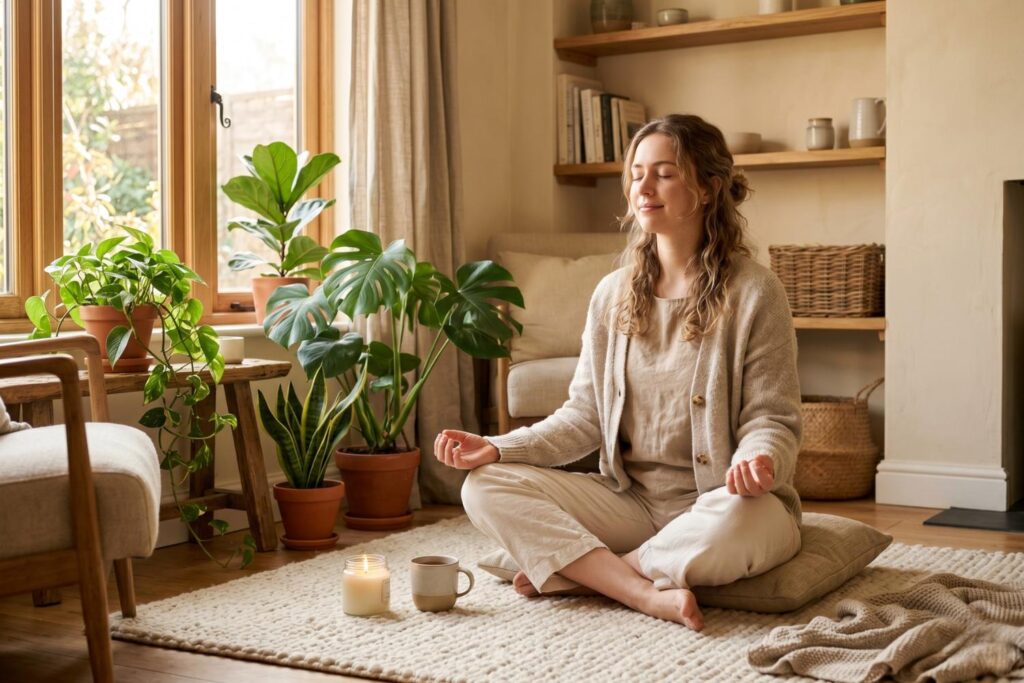
Stress has become a normal part of modern life. From work pressure and financial worries to relationship struggles and endless notifications on our phones, it often feels impossible to escape stress completely. While a little stress can motivate you, too much stress can affect your mental, emotional, and physical health.
If you’ve been searching for practical ways on how to relieve stress, the good news is that you don’t always need expensive treatments or long vacations to feel better. Simple daily habits and quick relaxation techniques can calm your mind, ease tension in your body, and help you feel more balanced.
In this guide, we’ll explore effective and easy methods to reduce stress quickly and naturally.
Understanding Stress and Its Effects
Stress is your body’s natural response to challenges or pressure. When you feel stressed, your body releases hormones like cortisol and adrenaline. These hormones prepare you to react quickly, but when stress continues for too long, it can negatively impact your health.
Common symptoms of stress include:
- Headaches
- Fatigue
- Trouble sleeping
- Anxiety
- Muscle tension
- Irritability
- Difficulty concentrating
- Digestive issues
Learning how to relieve stress can improve your mood, energy levels, relationships, and overall well-being.
1. Practice Deep Breathing
One of the fastest ways to calm your nervous system is deep breathing. Stress often causes shallow breathing, which increases anxiety and tension.
Try this simple breathing exercise:
- Sit comfortably and close your eyes.
- Inhale slowly through your nose for 4 seconds.
- Hold your breath for 4 seconds.
- Exhale slowly through your mouth for 6 seconds.
- Repeat for 5 minutes.
Deep breathing sends signals to your brain that it’s safe to relax. This simple method can help lower your heart rate and reduce stress almost immediately.
2. Take a Short Walk
Walking is one of the easiest stress-relief activities. Even a 10-minute walk outside can improve your mood and clear your mind.
Nature has a calming effect on the brain. Walking in a park, near trees, or around water can help reduce mental fatigue and anxiety.
Benefits of walking include:
- Improved blood circulation
- Reduced muscle tension
- Better focus
- Increased serotonin levels
- More positive thinking
If you’re feeling overwhelmed, step away from your environment and take a quick walk.
3. Listen to Relaxing Music
Music has a powerful impact on emotions. Soft instrumental music, nature sounds, or calming playlists can help slow down your breathing and relax your muscles.
Research shows that relaxing music may lower cortisol levels and improve emotional well-being.
Create a stress-relief playlist with:
- Piano music
- Rain sounds
- Ocean waves
- Meditation tracks
- Acoustic songs
Listening to music for even 15 minutes can help you reset mentally.
4. Try Meditation or Mindfulness
Meditation helps train your mind to stay calm and focused. Mindfulness encourages you to stay present instead of worrying about the past or future.
You don’t need hours to meditate. Even 5–10 minutes daily can make a difference.
Simple mindfulness exercise:
- Sit quietly
- Focus on your breathing
- Notice your thoughts without judging them
- Bring your attention back to the present moment
Regular meditation can reduce anxiety, improve sleep, and increase emotional balance.
5. Stretch Your Body
Stress often causes tight muscles, especially in the neck, shoulders, and back. Gentle stretching can release physical tension and improve circulation.
Easy stretches include:
- Neck rolls
- Shoulder shrugs
- Forward bends
- Arm stretches
- Cat-cow yoga pose
Stretching also helps your body relax after long hours of sitting or working.
6. Drink Water and Stay Hydrated
Dehydration can increase fatigue and stress symptoms. Drinking enough water helps your brain and body function properly.
Sometimes people confuse dehydration with anxiety or tiredness. Staying hydrated may improve concentration, mood, and energy levels.
Tips to stay hydrated:
- Carry a reusable water bottle
- Drink water first thing in the morning
- Add lemon or cucumber for flavor
- Limit sugary drinks
Proper hydration supports both mental and physical health.
7. Reduce Screen Time
Constant notifications, social media scrolling, and digital overload can increase stress levels.
Taking breaks from screens helps your brain relax and recharge.
Try these simple habits:
- Turn off unnecessary notifications
- Avoid screens before bedtime
- Take a 10-minute digital break every hour
- Spend time offline daily
Reducing screen time can improve sleep, focus, and emotional health.
8. Get Better Sleep
Poor sleep and stress are closely connected. Stress can make it hard to sleep, and lack of sleep can increase stress levels.
To improve sleep quality:
- Keep a consistent bedtime
- Avoid caffeine late in the day
- Create a relaxing nighttime routine
- Keep your bedroom cool and dark
- Avoid using phones before sleep
Good sleep helps your body recover and handle stress more effectively.
9. Talk to Someone You Trust
Sharing your thoughts with a friend, family member, or therapist can help reduce emotional pressure.
You don’t always need advice — sometimes simply expressing your feelings can make you feel lighter and calmer.
Healthy communication can:
- Reduce loneliness
- Improve emotional support
- Increase self-awareness
- Help solve problems more clearly
Never underestimate the power of human connection when learning how to relieve stress.
10. Exercise Regularly
Exercise is one of the most effective natural stress relievers. Physical activity releases endorphins, which are chemicals that improve mood and reduce pain.
You don’t need intense workouts to benefit.
Good stress-relieving exercises include:
- Walking
- Yoga
- Dancing
- Cycling
- Swimming
- Light strength training
Regular movement helps both your body and mind feel stronger and calmer.
11. Try Aromatherapy
Certain scents can help relax the nervous system and create a peaceful environment.
Popular calming essential oils include:
- Lavender
- Chamomile
- Peppermint
- Eucalyptus
- Sandalwood
You can use essential oils in diffusers, candles, bath water, or massage oils.
Aromatherapy may help improve sleep and reduce anxiety naturally.
12. Practice Gratitude
When stress takes over, it’s easy to focus only on problems. Gratitude helps shift your attention toward positive things in life.
Try writing down:
- Three things you’re grateful for
- Positive moments from your day
- Small achievements
- People who support you
Gratitude can improve emotional resilience and reduce negative thinking patterns.
13. Laugh More Often
Laughter truly is powerful medicine. Watching a funny video, spending time with positive people, or enjoying comedy can help reduce stress hormones.
Laughter may:
- Relax muscles
- Improve mood
- Boost immunity
- Reduce anxiety
Finding moments of joy during stressful times can make a big difference.
14. Organize Your Space
Clutter can increase mental stress and make it harder to focus.
A clean and organized environment often creates a sense of calm and control.
Start small:
- Clean your desk
- Organize one room
- Remove unnecessary items
- Create a peaceful corner for relaxation
Simple organization can improve productivity and reduce overwhelm.
15. Spend Time Doing What You Love
Hobbies and creative activities help distract your mind from stress and improve emotional well-being.
Examples include:
- Reading
- Painting
- Gardening
- Cooking
- Photography
- Writing
- Playing music
Doing activities you enjoy helps recharge your mind and body.
Healthy Foods That Help Reduce Stress
What you eat can affect your mood and stress levels.
Foods that may help reduce stress include:
- Dark chocolate
- Nuts and seeds
- Green leafy vegetables
- Fatty fish
- Bananas
- Yogurt
- Herbal tea
Avoid excessive caffeine, processed foods, and too much sugar, as they can increase anxiety and energy crashes.
When Stress Becomes Serious
Occasional stress is normal, but chronic stress should not be ignored.
Seek professional support if you experience:
- Constant anxiety
- Panic attacks
- Severe sleep problems
- Depression
- Loss of motivation
- Physical symptoms that don’t improve
Mental health professionals can provide guidance, therapy, and coping strategies tailored to your needs.
Daily Habits for Long-Term Stress Relief
If you truly want to master how to relieve stress, consistency matters more than quick fixes.
Healthy daily habits include:
- Exercising regularly
- Eating balanced meals
- Sleeping well
- Setting boundaries
- Practicing mindfulness
- Taking breaks
- Spending time with loved ones
Small changes practiced daily often create the biggest improvements over time.
Final Thoughts
Stress is part of life, but it doesn’t have to control your life. Learning how to relieve stress starts with paying attention to your mind and body and giving yourself permission to slow down when needed.
Simple habits like deep breathing, walking, stretching, listening to music, and getting enough sleep can help you feel calmer and more balanced. The key is finding what works best for you and making stress relief part of your daily routine.
Remember that taking care of your mental health is not selfish — it’s essential. When you redue stress, you improve not only your mood but also your relationships, productivity, and overall quality of life