
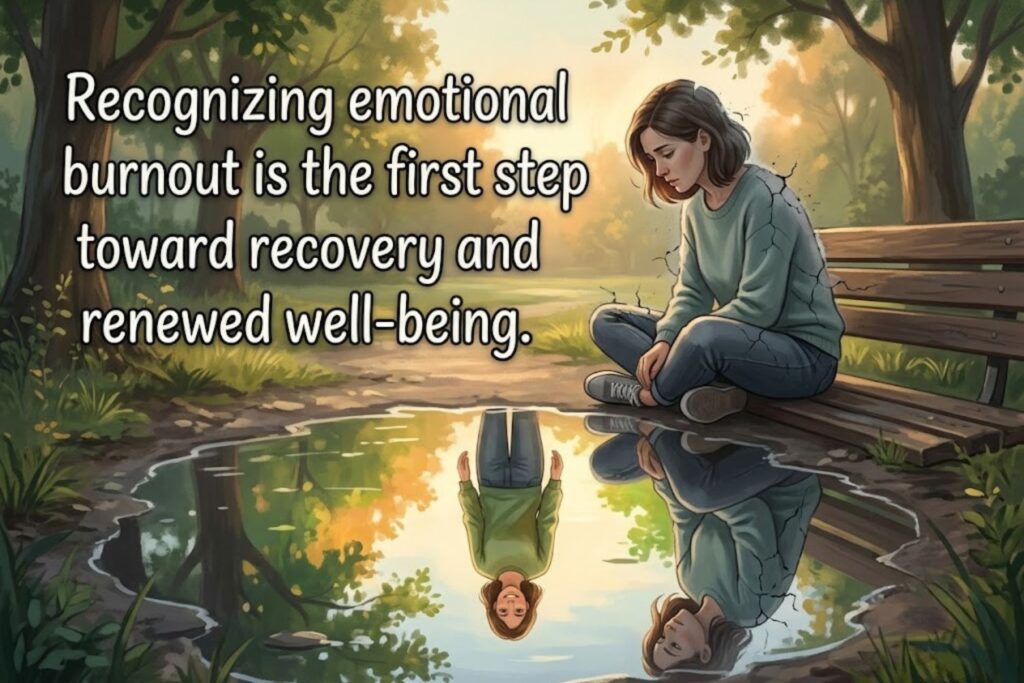
Emotional burnout doesn’t happen overnight. It builds gradually after weeks, months, or even years of carrying more emotional weight than your mind and body can comfortably manage. You may still meet deadlines, care for your family, or respond to messages, yet feel disconnected from your emotions, constantly exhausted, or unable to enjoy the things you once loved.
While emotional burnout is often associated with demanding jobs, it can affect anyone—including caregivers, parents, students, healthcare professionals, entrepreneurs, and those navigating difficult relationships. In today’s always-connected world, the constant stream of emails, notifications, and expectations makes it even harder to recharge.
If you’ve been wondering why you feel emotionally drained despite getting enough sleep or taking occasional breaks, emotional burnout may be part of the answer.
This guide explains what emotional burnout is, how to recognize it early, why it happens, and the practical steps you can take to recover and reduce the risk of it happening again.
What Is Emotional Burnout?
Quick Answer:
Emotional burnout is a state of mental and emotional exhaustion caused by prolonged stress, overwhelming responsibilities, or continuous emotional demands. It often leads to feeling emotionally numb, physically tired, less motivated, and unable to cope as effectively as before.
Unlike temporary stress, emotional burnout develops over time. Resting for a weekend or taking a day off may provide short-term relief, but it usually doesn’t resolve the deeper emotional exhaustion.
Instead, burnout reflects a mismatch between the emotional energy you expend and the time, support, and recovery you have available.
Emotional Burnout vs. Everyday Stress
Stress and burnout are closely related, but they are not the same.
| Stress | Emotional Burnout |
|---|---|
| Often short-term | Develops gradually |
| Feeling overwhelmed | Feeling emotionally empty |
| High emotional reactivity | Emotional numbness |
| Motivation remains | Motivation declines |
| Relief after rest | Rest provides limited improvement |
Many people continue functioning while experiencing burnout, making it difficult to recognize until symptoms become severe.
Emotional Burnout vs. Depression
Burnout and depression share several symptoms, including fatigue, reduced motivation, and difficulty concentrating. However, they are distinct experiences.
| Emotional Burnout | Depression |
|---|---|
| Usually linked to ongoing stress | May occur with or without a clear trigger |
| Often improves when stress decreases | Symptoms can persist despite reduced stress |
| Mainly affects energy related to specific demands | Can affect nearly every area of life |
| Focuses on emotional exhaustion | Includes persistent sadness or loss of interest that may require clinical evaluation |
If feelings of hopelessness, persistent sadness, or thoughts of self-harm are present, it’s important to seek professional evaluation promptly.
15 Common Signs of Emotional Burnout
Burnout affects far more than your mood. It can influence your physical health, thinking patterns, relationships, and work performance.
Emotional Signs
- Feeling emotionally drained every day
- Increased irritability
- Frequent frustration
- Loss of enthusiasm
- Feeling detached from loved ones
- Difficulty experiencing joy
- Emotional numbness
Physitive Signs
- Brain fog
- Forgetfulness
- Difficulty concentrating
- Indecisiveness
- Reduced creativity
Behavioral Signs
- Procrastination
- Social withdrawal
- Avoiding responsibilities
- Working longer hours with lower productivity
- Increased reliance on caffeine or other stimulants
Expert Tip
One of the earliest indicators of emotional burnout isn’t always exhaustion—it’s losing interest in activities that once felt meaningful. Many people dismiss this change as “just being busy,” delaying recovery until symptoms become more severe.
What Causes Emotional Burnout?
Emotional burnout rarely stems from a single event. Instead, it develops through the accumulation of ongoing stressors that outpace your ability to recover.
1. Workplace Pressure
Long hours, unrealistic deadlines, insufficient support, and constant performance expectations can gradually drain emotional energy.
In technology roles, frequent context switching, continuous learning demands, and “always online” communication can further increase mental fatigue.
2. Caregiving Responsibilities
Supporting children, aging parents, or loved ones with chronic illnesses requires sustained emotional investment. Without adequate support, caregivers may neglect their own needs, increasing the risk of burnout.
3. Relationship Stress
Conflict, emotional labor, poor communication, or repeatedly prioritizing others’ needs over your own can contribute to emotional exhaustion.
4. Digital Overload
Constant notifications, social media, instant messaging, and video meetings leave little uninterrupted time for mental recovery.
Many people don’t realize that simply being reachable at all hours keeps the brain in a heightened state of alertness.
5. Perfectionism
People who set unrealistically high standards often expend significant emotional energy trying to avoid mistakes.
Over time, this pattern can create chronic stress, self-criticism, and burnout.
6. Lack of Boundaries
Consistently saying “yes” to additional responsibilities while neglecting personal needs is a common pathway to emotional exhaustion.
Why Emotional Burnout Affects Your Brain
Prolonged stress influences how the brain processes information and regulates emotions.
When stress remains elevated for extended periods:
- Decision-making becomes more difficult.
- Concentration declines.
- Memory feels less reliable.
- Emotional regulation becomes harder.
- Small problems begin to feel overwhelming.
This doesn’t mean your brain is permanently damaged. Instead, it reflects the effects of chronic stress on normal brain functioning. As stress decreases and healthy recovery habits are restored, many people notice gradual improvements in focus, energy, and emotional resilience.
The Four Stages of Emotional Burnout
Recognizing burnout early can make recovery easier.
Stage 1: Overdrive
You feel highly motivated and productive but regularly ignore signs of fatigue.
Warning signs:
- Skipping breaks
- Working late
- Difficulty relaxing
Stage 2: Chronic Stress
Stress becomes your normal state.
Common signs include:
- Poor sleep
- Increased anxiety
- Irritability
- Reduced concentration
Stage 3: Emotional Burnout
Emotional exhaustion becomes difficult to ignore.
You may experience:
- Detachment
- Loss of motivation
- Cynicism
- Emotional numbness
- Frequent fatigue
Stage 4: Severe Burnout
Daily functioning becomes increasingly challenging.
Simple tasks may feel overwhelming, and recovery often requires significant lifestyle changes and professional support.
How to Recover from Emotional Burnout
Recovery isn’t about finding a quick fix. It’s about reducing ongoing stress while gradually rebuilding your emotional, physical, and mental reserves.
Step 1: Acknowledge What You’re Experiencing
Many people continue pushing through burnout because they assume they simply need to “try harder.”
Recognizing emotional burnout is the first step toward meaningful recovery.
Step 2: Identify Your Biggest Energy Drains
Ask yourself:
- Which responsibilities leave me emotionally depleted?
- Which situations consistently increase my stress?
- What activities genuinely restore my energy?
Keeping a journal for one week can reveal patterns that aren’t immediately obvious.
Step 3: Improve Recovery, Not Just Rest
Watching television or scrolling through social media may feel relaxing, but they don’t always provide genuine mental recovery.
Instead, prioritize activities that help your nervous system reset, such as:
- Walking outdoors
- Reading
- Gentle exercise
- Mindfulness practices
- Spending time with supportive people
- Creative hobbies
Step 4: Set Healthier Boundaries
Healthy boundaries protect your emotional energy.
Examples include:
- Limiting after-hours work messages
- Scheduling uninterrupted focus time
- Saying no to unnecessary commitments
- Taking regular breaks during the workday
Boundaries aren’t about doing less—they’re about protecting your capacity to do what matters most.
A 7-Day Emotional Burnout Reset Plan
Recovering from emotional burnout takes time, but you don’t have to overhaul your life overnight. Small, consistent changes often create the greatest long-term impact. Use this seven-day plan as a starting point to regain emotional balance.
| Day | Focus | Action |
|---|---|---|
| Day 1 | Assess | Write down your biggest stressors and identify what you can control. |
| Day 2 | Unplug | Reduce non-essential screen time by at least one hour. Turn off unnecessary notifications. |
| Day 3 | Restore | Prioritize sleep by creating a calming bedtime routine and aiming for a consistent sleep schedule. |
| Day 4 | Move | Take a 20–30 minute walk, stretch, or engage in light exercise to release tension. |
| Day 5 | Connect | Spend quality time with someone who makes you feel supported, or reach out to a trusted friend. |
| Day 6 | Protect | Practice saying “no” to one unnecessary commitment or delegate a task if possible. |
| Day 7 | Reflect | Review what helped you feel better and create one new habit to continue next week. |
Remember: Recovery is rarely linear. Some days will feel easier than others, and that’s a normal part of the process.
Common Mistakes That Slow Recovery
Many people unintentionally prolong emotional burnout by relying on habits that provide only temporary relief.
1. Trying to Push Through
Ignoring exhaustion may seem productive in the short term, but it often increases emotional fatigue and delays recovery.
A Better Approach
Listen to your body’s signals and make small adjustments before burnout becomes severe.
2. Believing One Vacation Will Fix Everything
Time away from work can be refreshing, but if you return to the same unhealthy routines, burnout often resurfaces quickly.
A Better Approach
Focus on creating sustainable daily habits rather than relying on occasional breaks.
3. Staying Constantly Connected
Emails, messaging apps, and social media keep your brain engaged long after the workday ends.
A Better Approach
Establish “offline hours” each evening to allow your mind to recover.
4. Neglecting Physical Health
Sleep, nutrition, hydration, and regular movement all influence emotional resilience.
A Better Approach
Support your emotional health by taking care of your physical well-being.
5. Isolating Yourself
Burnout often causes people to withdraw from others, even though social support can be an important part of recovery.
A Better Approach
Reach out to someone you trust, even if it’s just for a short conversation.
How to Prevent Emotional Burnout
While not every source of stress can be avoided, healthy habits can reduce your risk of burnout over time.
Build Recovery Into Your Routine
Don’t wait until you’re overwhelmed to rest.
Schedule recovery into your week by making time for activities that restore your energy.
Create Clear Work-Life Boundaries
Especially for remote and hybrid workers:
- Avoid checking work messages late at night.
- Take regular breaks throughout the day.
- Use vacation time when possible.
- End your workday at a consistent time.
Learn to Recognize Early Warning Signs
Ask yourself regularly:
- Am I becoming more irritable?
- Do I feel emotionally disconnected?
- Am I constantly tired?
- Have I stopped enjoying activities I once liked?
Catching burnout early often makes recovery easier.
Reduce Digital Overload
Technology is essential, but constant connectivity can contribute to emotional fatigue.
Consider:
- Turning off non-essential notifications.
- Taking short screen breaks every hour.
- Scheduling device-free time before bed.
- Limiting social media use if it increases stress.
Prioritize Supportive Relationships
Healthy relationships provide emotional resilience.
Spend more time with people who encourage, support, and understand you.
When Should You Seek Professional Help?
Self-care strategies are valuable, but they aren’t always enough.
Consider speaking with a qualified mental health professional if:
- Symptoms persist for several weeks despite making changes.
- Burnout is affecting your work or relationships.
- You experience frequent anxiety or panic attacks.
- You struggle to complete everyday tasks.
- You feel emotionally numb most of the time.
- You notice persistent hopelessness or loss of interest in life.
A licensed therapist or counselor can help identify contributing factors, develop coping strategies, and determine whether another mental health condition may also be present.
Final Thoughts
Emotional burnout is more than simply feeling tired. It reflects a prolonged imbalance between the emotional demands placed on you and the resources available to help you recover.
The encouraging news is that burnout is not a personal failure, and it doesn’t have to define your future. By recognizing the warning signs early, setting healthier boundaries, strengthening your support system, and making recovery a priority, you can gradually rebuild your energy, resilience, and sense of purpose.
Progress may feel slow at times, but even small, consistent changes can lead to meaningful improvements in your emotional well-being.
FAQ
1. What is emotional burnout?
Emotional burnout is a state of mental and emotional exhaustion caused by prolonged stress or overwhelming responsibilities. It often leads to fatigue, reduced motivation, emotional numbness, and difficulty coping with everyday challenges.
2. What are the first signs of emotional burnout?
Early signs include persistent tiredness, irritability, trouble concentrating, reduced enthusiasm, emotional detachment, and feeling overwhelmed by tasks that once seemed manageable.
3. How is emotional burnout different from stress?
Stress usually involves feeling overwhelmed but still engaged. Emotional burnout develops after prolonged stress and often results in emotional exhaustion, reduced motivation, and a sense of detachment.
4. Can emotional burnout affect physical health?
Yes. Emotional burnout can contribute to headaches, muscle tension, digestive discomfort, sleep disturbances, lowered energy, and increased susceptibility to illness.
5. How long does it take to recover from emotional burnout?
Recovery varies depending on the individual and the severity of burnout. Some people notice improvement within a few weeks after making lifestyle changes, while others may require several months and professional support.
6. Can emotional burnout lead to anxiety or depression?
Burnout may occur alongside anxiety or depression, but they are not the same condition. If symptoms are severe, persistent, or include hopelessness or thoughts of self-harm, seek evaluation from a qualified mental health professional.
7. Is emotional burnout only caused by work?
No. Burnout can also result from caregiving, parenting, financial stress, chronic illness, relationship challenges, academic pressure, or prolonged emotional demands.
8. What is the fastest way to recover from emotional burnout?
There is no instant solution. Recovery is most effective when you reduce ongoing stress, improve sleep, set healthy boundaries, engage in restorative activities, and seek support when needed.
9. Can emotional burnout come back?
Yes. Without addressing the underlying causes, burnout can recur. Building sustainable routines, managing stress, and maintaining healthy boundaries can reduce the risk.
10. When should I seek professional help for emotional burnout?
Consider seeking professional support if burnout significantly affects your work, relationships, or daily functioning, or if symptoms persist despite self-care efforts.