
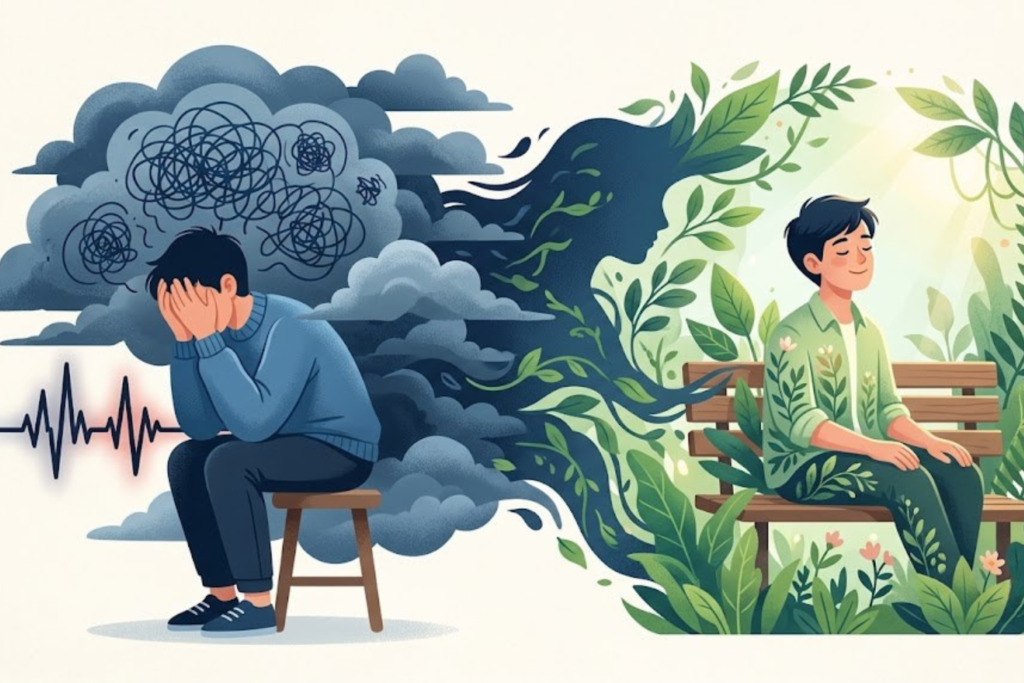
Stress has become a normal part of modern life. Deadlines, financial worries, relationship challenges, family responsibilities, and constant digital notifications can make us feel overwhelmed almost every day. While short-term stress is a natural response that helps us react to challenges, long-term stress is a different story. When stress becomes constant, it quietly begins to affect nearly every system in the body.
Many people ignore chronic stress symptoms because they assume feeling exhausted, irritable, or anxious is simply part of adulthood. Unfortunately, chronic stress doesn’t disappear on its own. Instead, it slowly damages physical health, mental well-being, relationships, and overall quality of life.
The good news is that understanding how chronic stress affects your body and mind is the first step toward reclaiming your health. Once you recognize the warning signs, you can make meaningful lifestyle changes before stress causes long-term problems.
In this guide, we’ll explore the hidden effects of chronic stress, why it happens, and practical ways to reduce its impact naturally.
What Is Chronic Stress?
Stress itself isn’t always harmful. Your body is designed to respond to temporary threats by releasing hormones such as cortisol and adrenaline. These hormones prepare you for action by increasing your heart rate, sharpening focus, and boosting energy.
Normally, once the stressful situation ends, hormone levels return to normal, allowing your body to recover.
Chronic stress occurs when stressful situations continue for weeks, months, or even years without enough recovery time. Your body remains in a constant state of alertness, forcing every major system to work harder than it should.
Common causes include:
- Ongoing work pressure
- Financial struggles
- Family responsibilities
- Relationship conflicts
- Caring for sick loved ones
- Chronic illness
- Lack of sleep
- Major life changes
- Social isolation
- Academic pressure
Over time, this continuous activation begins affecting both physical and emotional health.
How Stress Changes the Brain
The brain is one of the first organs affected by long-term stress.
When cortisol remains elevated for extended periods, it begins interfering with areas responsible for memory, emotions, and decision-making.
Memory Problems
Many people under constant stress complain that they forget appointments, lose track of conversations, or struggle to remember simple information.
High cortisol levels can reduce the brain’s ability to create and store new memories.
Difficulty Concentrating
Have you ever read the same paragraph multiple times without understanding it?
Chronic stress makes it difficult to stay focused because your brain is constantly scanning for potential threats instead of concentrating on the present task.
Increased Anxiety
Stress and anxiety often feed each other.
The longer your body remains in survival mode, the more likely you are to experience:
- Racing thoughts
- Panic attacks
- Constant worry
- Fear of the future
- Restlessness
Without intervention, prolonged stress can eventually contribute to anxiety disorders.
Mood Changes
Stress affects the chemicals responsible for regulating mood.
As a result, people experiencing chronic stress often notice:
- Irritability
- Anger
- Emotional numbness
- Sadness
- Loss of motivation
- Feeling overwhelmed
Even small inconveniences may trigger unusually strong emotional reactions.
The Physical Effects of Chronic Stress
Many people associate stress only with mental health, but its physical effects are just as significant.
Constant Fatigue
Ironically, although stress increases adrenaline, it eventually leaves you exhausted.
Your body wasn’t designed to stay on high alert all day.
Over time, you may feel tired even after sleeping eight or nine hours.
Headaches
Stress is one of the leading causes of tension headaches.
Muscles around the neck, shoulders, and scalp tighten, causing persistent discomfort that can become a daily occurrence.
Muscle Pain
Long-term muscle tension often results in:
- Neck pain
- Shoulder stiffness
- Jaw clenching
- Lower back pain
Many people don’t realize these aches are directly connected to emotional stress.
Sleep Problems
One of the earliest chronic stress symptoms is poor sleep.
You may experience:
- Difficulty falling asleep
- Frequent waking
- Early morning awakening
- Nightmares
- Feeling unrested
Poor sleep then creates even more stress, forming a difficult cycle to break.
Digestive Issues
The digestive system is extremely sensitive to stress.
Common digestive symptoms include:
- Stomach pain
- Bloating
- Constipation
- Diarrhea
- Acid reflux
- Appetite changes
- Nausea
Some individuals lose interest in food, while others turn to emotional eating for comfort.
Heart Health
Constant stress forces your heart to work harder.
Over time, this may contribute to:
- High blood pressure
- Increased heart rate
- Higher cholesterol
- Greater risk of cardiovascular disease
Managing stress is therefore an important part of protecting heart health.
How Chronic Stress Weakens the Immune System
Have you ever noticed that you tend to get sick after an especially stressful period?
That’s no coincidence.
Long-term stress suppresses immune function, making it harder for your body to fight infections.
People experiencing chronic stress may notice:
- Frequent colds
- Slow wound healing
- Recurring infections
- Persistent fatigue
- Longer recovery times
Keeping stress under control is just as important as eating nutritious foods when it comes to supporting immunity.
The Emotional Toll of Chronic Stress
Stress doesn’t only affect your body—it changes how you experience life.
Feeling Emotionally Drained
Everything begins to feel exhausting.
Tasks that once seemed simple suddenly require enormous effort.
Many people describe feeling like they’re “running on empty.”
Loss of Interest
Activities you once enjoyed may no longer feel exciting.
You might stop:
- Exercising
- Reading
- Socializing
- Pursuing hobbies
- Spending time outdoors
This withdrawal often increases feelings of loneliness.
Reduced Confidence
When stress persists, self-doubt often grows.
You may begin questioning your abilities even when you’re performing well.
This negative thinking creates additional emotional strain.
Relationships Can Suffer Too
Stress rarely stays confined to one area of life.
When people feel overwhelmed, they often become:
- Less patient
- More argumentative
- Emotionally distant
- Easily frustrated
- Less affectionate
Partners, children, friends, and coworkers may notice changes before you do.
Open communication and healthy coping strategies can prevent stress from damaging important relationships.
Lifestyle Habits That Make Stress Worse
Sometimes our daily routines unintentionally increase stress levels.
Common habits include:
Too Much Screen Time
Constant exposure to emails, news, and social media keeps the brain stimulated, making it difficult to relax.
Too Much Caffeine
Coffee can temporarily increase energy, but excessive caffeine may worsen anxiety, restlessness, and sleep quality.
Skipping Meals
Poor nutrition causes blood sugar fluctuations that may increase irritability and fatigue.
Balanced meals provide the energy needed to cope with daily challenges.
Lack of Exercise
Physical activity helps regulate stress hormones while boosting mood-enhancing chemicals like endorphins.
Even a 30-minute walk can significantly improve emotional well-being.
Ignoring Rest
Many people believe productivity means constantly staying busy.
In reality, rest is essential for both mental and physical recovery.
Recognizing the Warning Signs Before It’s Too Late
Stress often builds gradually, making it difficult to notice until it starts interfering with daily life. Many people become so accustomed to living under pressure that they assume feeling exhausted, distracted, or anxious is simply normal.
Pay attention if you notice several of these chronic stress symptoms occurring regularly:
- Constant exhaustion, even after a full night’s sleep
- Trouble concentrating or remembering things
- Frequent headaches or migraines
- Tight muscles, especially in the neck and shoulders
- Irritability or sudden mood swings
- Changes in appetite
- Difficulty sleeping or waking up frequently
- Digestive discomfort
- Feeling overwhelmed by simple tasks
- Increased anxiety or persistent worry
- Frequent illnesses due to a weakened immune system
- Loss of interest in hobbies and social activities
Recognizing these signs early gives you the opportunity to make positive changes before stress begins affecting your long-term health.
Healthy Ways to Reduce Chronic Stress
While it’s impossible to eliminate stress completely, you can strengthen your ability to manage it. Small, consistent habits often have a greater impact than dramatic lifestyle changes.
1. Prioritize Quality Sleep
Sleep is one of the body’s most effective recovery tools. During sleep, your brain processes emotions, repairs tissues, and regulates stress hormones.
Improve your sleep by:
- Going to bed at the same time every night
- Limiting screen time before bed
- Keeping your bedroom cool and dark
- Avoiding caffeine late in the day
- Creating a relaxing bedtime routine
Even adding an extra hour of quality sleep can improve mood and focus.
2. Stay Physically Active
Exercise isn’t just for weight management—it also helps reduce stress hormones while increasing endorphins, the body’s natural mood boosters.
You don’t need an intense workout. Consider activities like:
- Walking
- Cycling
- Swimming
- Yoga
- Stretching
- Dancing
Aim for at least 30 minutes of movement most days of the week.
3. Practice Mindfulness
Mindfulness encourages you to focus on the present instead of worrying about the future or dwelling on the past.
Simple mindfulness practices include:
- Deep breathing exercises
- Meditation
- Journaling
- Gratitude lists
- Spending quiet time in nature
Just five to ten minutes each day can help calm your mind.
4. Eat a Balanced Diet
Your body and brain need proper nutrition to cope with stress effectively.
Include:
- Fresh fruits and vegetables
- Whole grains
- Lean proteins
- Healthy fats
- Plenty of water
Try to reduce highly processed foods, sugary snacks, and excessive caffeine, as these can contribute to energy crashes and increased anxiety.
5. Set Healthy Boundaries
One of the biggest causes of chronic stress is taking on too much.
Learning to say “no” doesn’t make you selfish—it protects your mental health.
Consider:
- Limiting unnecessary commitments
- Taking regular breaks during work
- Delegating tasks when possible
- Protecting personal time for rest and family
Healthy boundaries create space for recovery.
6. Stay Connected
Stress often causes people to isolate themselves, but meaningful relationships are one of the strongest buffers against emotional strain.
Talk with trusted friends, family members, or colleagues. Even a simple conversation can lighten emotional burdens and remind you that you’re not alone.
7. Make Time for Activities You Enjoy
Life shouldn’t revolve around responsibilities alone.
Schedule time for hobbies that bring you joy, such as:
- Reading
- Gardening
- Painting
- Cooking
- Photography
- Playing music
- Spending time with pets
Enjoyable activities help reset your mind and reduce stress naturally.
When to Seek Professional Help
Occasional stress is normal, but persistent stress that disrupts daily life deserves professional attention.
Consider speaking with a healthcare provider or licensed mental health professional if you experience:
- Constant anxiety or panic attacks
- Depression or feelings of hopelessness
- Severe sleep problems
- Difficulty functioning at work or school
- Relationship breakdowns due to stress
- Physical symptoms with no clear medical cause
- Thoughts of harming yourself
Seeking help is a sign of strength, not weakness. Early support can prevent stress from developing into more serious mental or physical health conditions.
Creating a Sustainable Stress Management Routine
Managing stress isn’t about finding one perfect solution. It’s about building a lifestyle that supports your well-being every day.
A balanced routine might include:
- Starting the morning with stretching or meditation
- Eating nutritious meals throughout the day
- Taking short breaks during work
- Staying physically active
- Connecting with loved ones
- Limiting screen time before bed
- Practicing gratitude each evening
- Prioritizing consistent sleep
These habits may seem simple, but together they create a powerful foundation for resilience.
Final Thoughts
Stress is an unavoidable part of life, but living in a constant state of stress doesn’t have to be. The effects of chronic stress often develop quietly, impacting your mind, body, emotions, and relationships before you fully realize what’s happening.
By recognizing the early warning signs and making intentional changes to your daily routine, you can reduce stress, improve your overall health, and regain a sense of balance. Remember that self-care isn’t a luxury—it’s an essential part of maintaining both mental and physical well-being.
If you recognize several of the chronic stress symptoms discussed in this article, don’t ignore them. Small, consistent actions today can protect your health and help you build a calmer, healthier future.