
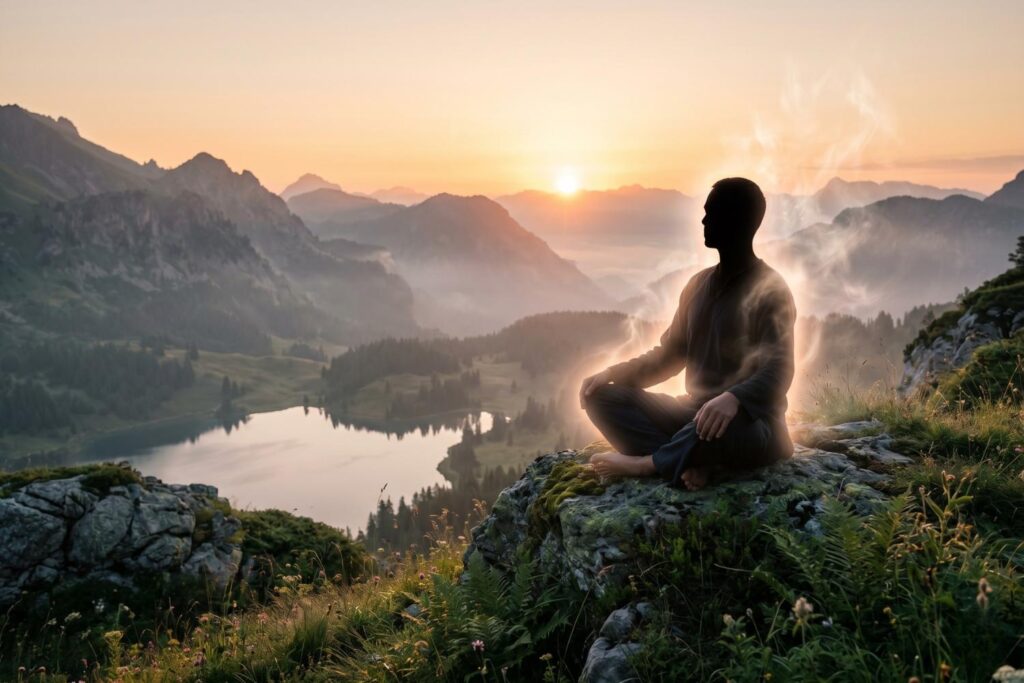
Stress is something almost everyone experiences, yet very few people truly understand how deeply it affects the body. It doesn’t just live in the mind—it settles into the muscles, posture, breathing patterns, and even the nervous system. Over time, this stored tension can lead to fatigue, anxiety, headaches, body pain, and emotional burnout.
This is where body stress release becomes important. It is not just about relaxation—it is a process of helping the body naturally discharge stored tension so it can return to balance, calm, and ease.
In this article, we’ll explore what body stress release means, why your body holds stress, and practical techniques you can use daily to feel lighter, calmer, and more grounded.
What is Body Stress Release?
Body stress release is a natural approach to reducing physical and emotional tension stored in the body. Unlike quick fixes that only target symptoms, it focuses on helping the nervous system reset itself.
When we experience stress—whether emotional, mental, or physical—the body reacts automatically. Muscles tighten, breathing becomes shallow, and the nervous system goes into “fight or flight” mode. If this state continues for too long, the body begins to “store” stress.
Through body stress release techniques, we support the body in letting go of this stored tension so it can return to a natural state of balance.
Why Does the Body Hold Stress?
Your body is designed for survival. When stress appears, your nervous system activates protective responses. However, modern life rarely gives us enough time to fully recover.
Common reasons stress gets stored include:
- Emotional suppression (not expressing feelings)
- Chronic work pressure
- Poor sleep patterns
- Trauma or past emotional experiences
- Physical strain or poor posture
- Overstimulation (screens, noise, constant alerts)
Over time, this leads to what many describe as “always feeling tense,” even when nothing is wrong in the moment.
This is why body stress release practices are so powerful—they help the body complete the stress cycle.
Signs Your Body is Holding Stress
You may not always realize stress is stored in your body. Here are common signs:
- Tight shoulders and neck
- Jaw clenching or teeth grinding
- Headaches or migraines
- Fatigue even after rest
- Digestive issues
- Restless sleep
- Feeling “on edge” without reason
- Chest tightness or shallow breathing
If you relate to these, your body is likely asking for release and recovery.
The Science Behind Stress Release
When stress activates the nervous system, the body releases hormones like cortisol and adrenaline. These prepare you to react quickly. But when the stress response doesn’t fully shut off, the body stays in a semi-alert state.
Over time, this can affect:
- Immune system function
- Hormonal balance
- Muscle recovery
- Emotional regulation
Practices related to body stress release help activate the parasympathetic nervous system—the “rest and digest” state—allowing the body to heal and reset.
Body Stress Release Techniques You Can Try
Now let’s explore practical ways to release tension from the body naturally.
1. Deep Breathing for Nervous System Reset
One of the simplest yet most powerful tools is breathwork.
Try this technique:
- Inhale deeply through the nose for 4 seconds
- Hold for 4 seconds
- Exhale slowly for 6–8 seconds
Repeat for 5–10 minutes.
Deep breathing signals safety to the nervous system, making it a core part of body stress release practices.
2. Progressive Muscle Relaxation
This method involves tightening and releasing muscles intentionally.
Steps:
- Start from your toes
- Tighten each muscle group for 5 seconds
- Slowly release
- Move upward through the body
This teaches your body what “relaxation” actually feels like, especially if you are constantly tense.
3. Gentle Movement and Stretching
Stress often gets trapped in the body due to lack of movement.
Try:
- Neck rolls
- Shoulder shrugs
- Light yoga stretches
- Walking in nature
Movement helps release stored physical tension and supports natural body stress release.
4. Shaking and Free Movement
Animals naturally shake off stress after danger. Humans rarely do this.
Try:
- Standing and gently shaking your arms and legs
- Letting your body move freely to music
- Releasing control and allowing natural movement
This can feel unusual at first but is highly effective for releasing stored stress energy.
5. Mindful Awareness of the Body
Sit quietly and scan your body from head to toe.
Ask yourself:
- Where am I holding tension?
- Can I soften this area slightly?
Simply bringing awareness begins the release process.
6. Warm Baths and Heat Therapy
Heat helps muscles relax and improves circulation.
You can try:
- Warm baths with Epsom salt
- Heating pads on tense areas
- Warm showers focusing on slow breathing
This is a soothing and supportive method of body stress release.
7. Emotional Expression
Unreleased emotions often turn into physical tension.
Healthy outlets include:
- Journaling your thoughts
- Talking to someone you trust
- Crying when needed
- Creative expression (art, music, writing)
Emotional release is deeply connected to physical relaxation.
How to Build a Daily Stress Release Routine
Consistency matters more than intensity.
A simple daily routine could look like:
Morning:
- 5 minutes deep breathing
- Light stretching
Afternoon:
- Short walk
- Posture reset check
Evening:
- Warm shower or bath
- 10 minutes body scan meditation
This helps prevent stress from accumulating in the first place.
Long-Term Benefits of Body Stress Release
When you regularly practice body stress release, you may notice:
- Better sleep quality
- Reduced anxiety levels
- Improved focus and clarity
- Less physical pain and tension
- Greater emotional stability
- Increased energy
Your body begins to feel lighter, calmer, and more responsive to life rather than reactive.
Final Thoughts
Stress is not just a mental experience—it is a full-body response. When ignored, it becomes stored tension that affects both physical and emotional health.
The good news is that your body already knows how to release stress. It simply needs the right conditions, awareness, and gentle support.
By practicing body stress release techniques regularly, you can help your body return to its natural state of balance—calm, steady, and relaxed.