
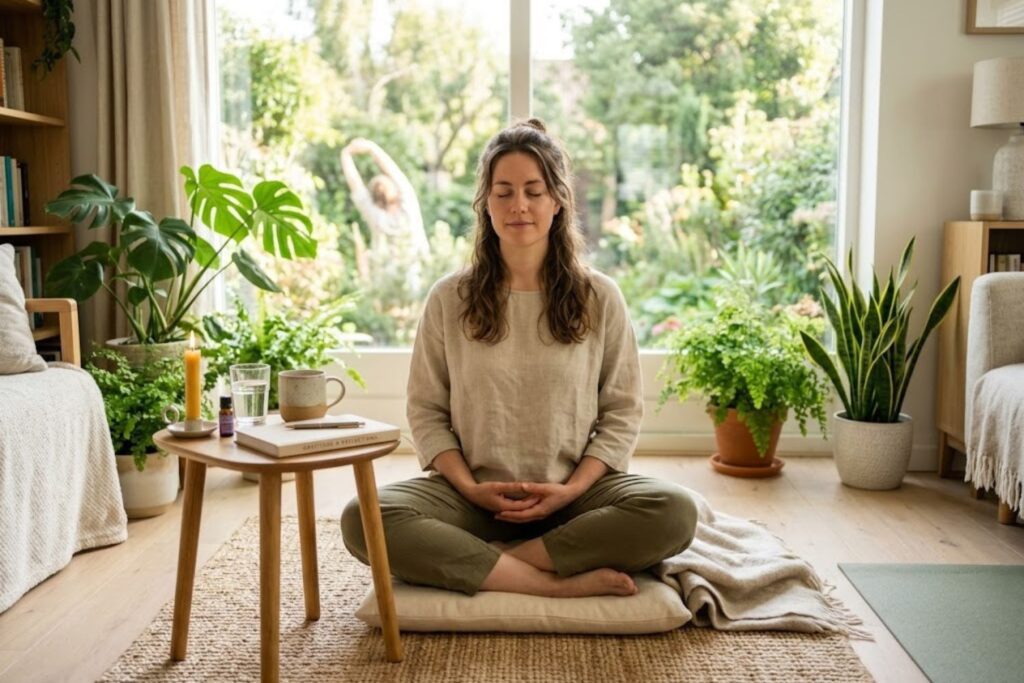
If you often feel overwhelmed, mentally exhausted, or unable to switch off your thoughts, you may be wondering: how can I reduce stress and anxiety?
Stress and anxiety are common experiences in modern life. Work pressure, constant notifications, personal responsibilities, uncertainty, and information overload can leave your mind feeling like it is always “on.”
The good news is that reducing stress and anxiety does not require completely changing your life overnight. Small, consistent actions can help your mind and body return to a calmer state.
The most effective approach combines quick calming techniques for immediate relief with healthy daily habits that improve emotional resilience over time.
Quick Answer: Stress and anxiety can often be reduced through breathing exercises, mindfulness, physical activity, better sleep, healthy boundaries, reducing digital overload, and developing effective coping strategies. If anxiety becomes overwhelming or interferes with daily life, professional support may be helpful.
Understanding Stress and Anxiety: What Is Happening in Your Mind and Body?
Stress and anxiety are connected, but they are not exactly the same.
Stress is usually a response to an external situation, such as a demanding job, deadlines, financial pressure, or relationship challenges.
Anxiety involves feelings of worry, fear, or uneasiness that may continue even when there is no immediate danger.
Both can activate your body’s stress response, causing changes such as:
- Increased heart rate
- Muscle tension
- Difficulty concentrating
- Racing thoughts
- Sleep problems
- Feeling emotionally exhausted
A certain amount of stress can motivate you and help you respond to challenges. However, ongoing stress without enough recovery can negatively affect your mental and physical well-being.
The Difference Between Stress and Anxiety
| Stress | Anxiety |
|---|---|
| Usually linked to a specific problem | May continue without a clear cause |
| Often improves when the situation changes | Can persist even after problems are resolved |
| Common response to pressure | Can involve excessive worry or fear |
| May motivate action | May make everyday tasks feel difficult |
Understanding what you are experiencing is the first step toward choosing the right strategy.
Why Modern Life Creates More Mental Pressure
Many people today experience stress differently than previous generations because they are constantly connected.
Technology has created many benefits, but it has also introduced new challenges:
- Endless notifications
- Remote work boundaries disappearing
- Pressure to respond instantly
- Too much information at once
- Comparing yourself with others online
For people working in technology fields, stress can be especially common because of:
- Long screen hours
- Fast-changing environments
- Complex problem-solving
- High performance expectations
- Difficulty disconnecting after work
Reducing stress often begins by changing your relationship with your environment.
How Can I Reduce Stress and Anxiety Quickly?
When anxiety feels intense, your first goal is not to solve every problem.
Your goal is to help your body feel safe again.
Here are practical techniques you can use.
1. Practice Deep Breathing to Calm Your Nervous System
One of the fastest ways to create a sense of calm is controlled breathing.
When you are stressed, your breathing often becomes shallow and faster. Slow, intentional breathing can help signal relaxation.
Try this simple breathing exercise:
- Sit comfortably.
- Relax your shoulders.
- Breathe in slowly through your nose.
- Pause briefly.
- Exhale slowly.
- Repeat for several minutes.
The goal is not to force yourself to stop thinking. The goal is to create a calmer physical state.
Common Mistake:
Many people expect breathing exercises to remove anxiety immediately.
Instead, think of them as a tool that helps reduce the intensity of anxious feelings so you can respond more clearly.
2. Use Grounding Techniques When Your Mind Feels Overwhelmed
Anxiety often pulls your thoughts into the future:
- “What if something goes wrong?”
- “What happens if I fail?”
- “What if I cannot handle this?”
Grounding techniques help bring your attention back to the present moment.
Try the 5-4-3-2-1 Grounding Method:
Notice:
- 5 things you can see
- 4 things you can touch
- 3 things you can hear
- 2 things you can smell
- 1 thing you can taste
This simple exercise helps interrupt overwhelming thought patterns.
3. Reduce Digital Stress and Information Overload
Technology can increase anxiety when your brain never gets time to recover.
Consider creating digital boundaries:
Helpful habits:
- Turn off unnecessary notifications
- Avoid checking emails immediately after waking
- Create screen-free periods
- Take regular breaks from devices
- Avoid scrolling when you are emotionally drained
A constantly connected mind rarely gets a chance to reset.
Daily Habits That Help Reduce Stress and Anxiety Long-Term
Quick techniques can help during stressful moments, but long-term improvement comes from consistent habits.
4. Build a Healthier Sleep Routine
Poor sleep can make stress feel harder to manage.
When you are tired:
- Problems may feel bigger
- Emotional reactions may increase
- Concentration becomes more difficult
Helpful sleep habits include:
- Going to bed around the same time
- Creating a relaxing evening routine
- Reducing screen exposure before sleep
- Keeping your bedroom comfortable and quiet
Sleep is not a luxury. It is part of emotional regulation.
5. Move Your Body Regularly
Physical activity is one of the most effective lifestyle strategies for supporting mental wellness.
Exercise does not need to mean intense workouts.
Simple options include:
- Walking
- Stretching
- Cycling
- Yoga
- Strength training
The goal is consistency.
A 20-minute walk can be a valuable reset during a stressful day.
6. Practice Mindfulness and Meditation
Mindfulness means paying attention to the present moment without immediately judging your thoughts or feelings.
Many people avoid meditation because they think:
“My mind is too busy to meditate.”
A busy mind is exactly why mindfulness can be useful.
Start small:
- Sit quietly for five minutes
- Focus on your breathing
- Notice thoughts without fighting them
- Return your attention gently
The goal is not an empty mind.
The goal is a more balanced relationship with your thoughts.
7. Create Emotional Boundaries
Stress often increases when you constantly give energy without recovery.
Healthy boundaries may include:
- Saying no when your schedule is overloaded
- Protecting personal time
- Limiting stressful conversations
- Communicating your needs clearly
Boundaries are not about rejecting people.
They are about protecting your mental energy.
Stress Management Strategies for Technology Professionals
People working in technology often face unique stressors.
Prevent Digital Burnout
Digital burnout can happen when your brain spends too much time processing information without enough recovery.
Signs may include:
- Feeling mentally exhausted after work
- Losing motivation
- Difficulty relaxing
- Constantly thinking about tasks
Helpful strategies:
- Create a clear end-of-work routine
- Separate work devices from personal relaxation
- Take short breaks during long sessions
- Avoid multitasking whenever possible
Manage Information Overload
Your brain was not designed to process unlimited information all day.
Try:
Information Diet:
Instead of consuming everything:
- Choose trusted sources
- Limit unnecessary updates
- Schedule time for learning
- Protect quiet periods
More information does not always create more clarity.
Common Mistakes That Increase Stress and Anxiety
| Mistake | Why It Does Not Help | Better Approach |
|---|---|---|
| Ignoring stress signals | Problems build over time | Address stress early |
| Trying to be productive constantly | Prevents recovery | Schedule rest |
| Avoiding emotions | Feelings often return stronger | Process emotions |
| Excessive screen use | Keeps your brain stimulated | Create technology boundaries |
| Expecting instant results | Creates frustration | Practice consistently |
A Simple Daily Stress Reduction Routine
Morning (10–15 minutes)
Try:
✓ Deep breathing
✓ Stretching or movement
✓ Setting realistic priorities
✓ Avoiding immediate phone checking
During Work
Practice:
✓ Short breaks
✓ Single-tasking
✓ Notification control
✓ Clear stopping points
Evening
Create recovery time:
✓ Reduce screen use
✓ Reflect on your day
✓ Practice gratitude
✓ Prepare for tomorrow
When Should You Seek Professional Help?
Self-care strategies can be helpful, but sometimes additional support is needed.
Consider reaching out to a mental health professional if:
- Anxiety feels impossible to control
- Stress interferes with work or relationships
- You experience frequent panic symptoms
- Sleep problems continue
- You feel unable to cope alone
Seeking help is a proactive step toward better mental health.
Conclusion: Small Changes Can Create a Calmer Mind
Learning how can I reduce stress and anxiety starts with understanding that calmness is built through consistent habits.
You do not need to eliminate every stressful situation from your life. Instead, focus on developing better ways to respond.
Start with one simple action:
- Take a few slow breaths
- Create a healthier digital boundary
- Go for a walk
- Improve your sleep routine
- Give yourself time to recover
Small steps repeated consistently can create meaningful improvements in your emotional well-being.
For more mental wellness insights, self-care strategies, and personal growth resources, explore Daily Dose of Dee.