
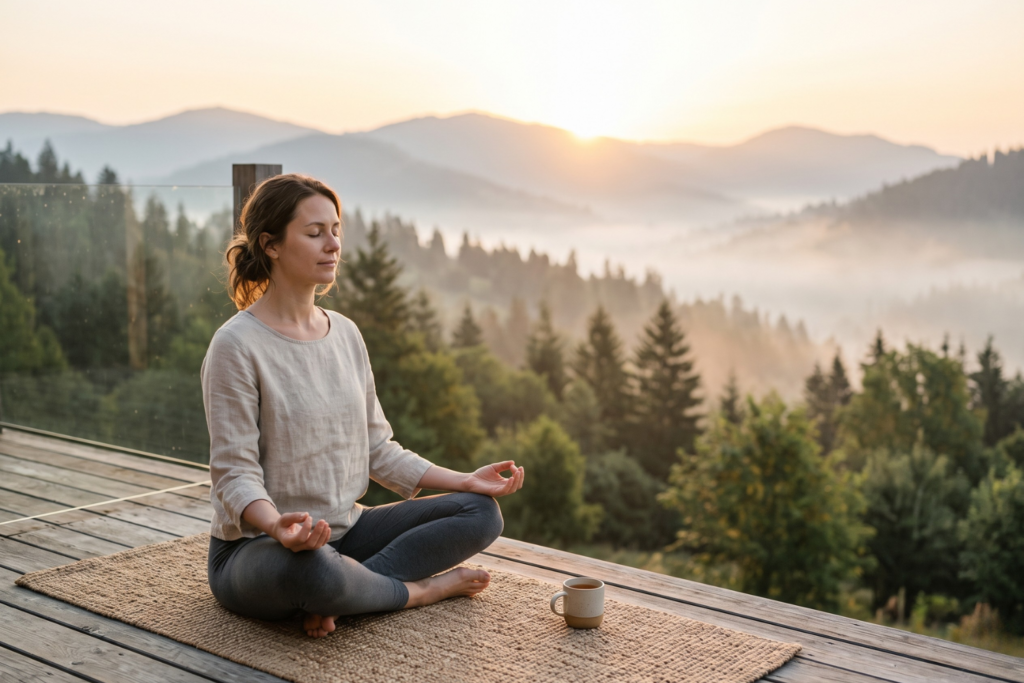
In today’s fast-paced world, stress and anxiety have become common challenges for people of all ages. Between work responsibilities, family commitments, social pressures, and constant digital distractions, it’s easy to feel overwhelmed. While there are many ways to manage stress, one practice continues to gain attention for its simplicity and effectiveness: mindfulness meditation.
The remarkable thing about mindfulness meditation is that it doesn’t require expensive equipment, special skills, or hours of your day. Just a few minutes of focused awareness can help calm your mind, improve emotional well-being, and reduce anxiety levels.
The growing interest in mindfulness meditation benefits is backed by scientific research and personal experiences from millions of practitioners worldwide. Whether you’re completely new to meditation or looking to deepen your practice, understanding how mindfulness works can help you unlock a healthier and more balanced life.
In this article, we’ll explore the many mindfulness meditation benefits, how mindfulness reduces stress and anxiety, and practical ways to incorporate it into your daily routine.
What Is Mindfulness Meditation?
Mindfulness meditation is the practice of paying attention to the present moment without judgment. Instead of dwelling on the past or worrying about the future, mindfulness encourages you to focus on what is happening right now.
During mindfulness meditation, you may focus on:
- Your breathing
- Physical sensations in your body
- Sounds around you
- Thoughts and emotions as they arise
The goal isn’t to stop thinking completely. Instead, mindfulness teaches you to observe your thoughts without becoming attached to them.
This simple yet powerful practice has roots in ancient meditation traditions but has been widely adopted in modern wellness and mental health programs due to its proven effectiveness.
The Science Behind Mindfulness Meditation Benefits
Many people initially view meditation as a spiritual practice, but modern science has revealed its profound impact on the brain and body.
Research suggests that mindfulness meditation can influence areas of the brain associated with:
- Emotional regulation
- Attention and focus
- Self-awareness
- Stress response
- Memory
Studies have shown that regular meditation can reduce activity in the amygdala, the part of the brain responsible for fear and stress reactions. At the same time, mindfulness can strengthen the prefrontal cortex, which helps with decision-making and emotional control.
These neurological changes explain why people who meditate consistently often report feeling calmer, more focused, and less reactive to everyday stressors.
Top Mindfulness Meditation Benefits
1. Reduces Stress Naturally
One of the most well-known mindfulness meditation benefits is stress reduction.
When you’re stressed, your body activates the “fight-or-flight” response, releasing stress hormones such as cortisol and adrenaline. While this response is useful during emergencies, chronic stress can negatively impact your health.
Mindfulness meditation helps activate the body’s relaxation response, lowering stress hormone levels and creating a sense of calm.
Many people notice that after just a few minutes of mindful breathing, their racing thoughts begin to slow down and tension starts to ease.
2. Helps Manage Anxiety
Anxiety often stems from worrying about future events or dwelling on uncertainties.
Mindfulness meditation teaches you to focus on the present moment rather than getting lost in anxious thoughts.
Instead of asking:
- “What if something goes wrong?”
- “What if I fail?”
- “What if the worst happens?”
Mindfulness encourages awareness of what is actually happening right now.
This shift in attention can significantly reduce anxiety symptoms and help individuals respond more effectively to stressful situations.
3. Improves Emotional Regulation
Life naturally includes challenges, disappointments, and difficult emotions.
One of the key mindfulness meditation benefits is improved emotional awareness. Rather than reacting impulsively to emotions such as anger, frustration, or sadness, mindfulness helps create a pause between feeling and reaction.
This increased awareness allows you to:
- Respond thoughtfully
- Avoid emotional outbursts
- Make better decisions
- Develop greater emotional resilience
Over time, mindfulness can strengthen your ability to navigate life’s ups and downs with greater balance.
4. Enhances Focus and Concentration
Modern life is filled with distractions.
Notifications, emails, social media, and constant multitasking can make it difficult to stay focused.
Mindfulness meditation trains your attention by repeatedly bringing your focus back to the present moment.
Just like exercising a muscle, regular mindfulness practice strengthens your ability to concentrate.
As a result, many people experience:
- Improved productivity
- Better work performance
- Enhanced learning
- Greater mental clarity
5. Promotes Better Sleep
Stress and anxiety are common causes of sleep problems.
Many individuals struggle to fall asleep because their minds are racing with worries, plans, and unfinished tasks.
Mindfulness meditation can help quiet mental chatter and prepare the body for rest.
Practicing mindfulness before bedtime may:
- Reduce nighttime anxiety
- Improve sleep quality
- Help you fall asleep faster
- Minimize sleep interruptions
Even a short meditation session before bed can make a noticeable difference in sleep patterns.
6. Supports Physical Health
The mindfulness meditation benefits extend beyond mental health.
Research suggests mindfulness may contribute to:
- Lower blood pressure
- Improved immune function
- Reduced chronic pain symptoms
- Better heart health
- Decreased inflammation
Because stress impacts nearly every system in the body, reducing stress through mindfulness can have widespread physical health benefits.
7. Increases Self-Awareness
Mindfulness meditation encourages self-reflection without self-criticism.
As you observe your thoughts and behaviors more closely, you gain valuable insights into:
- Habits
- Emotional triggers
- Thought patterns
- Personal values
Greater self-awareness can lead to positive changes and improved personal growth.
You become better equipped to recognize unhelpful patterns and make choices that align with your goals and well-being.
8. Strengthens Relationships
Healthy relationships require communication, empathy, and emotional presence.
Mindfulness meditation helps cultivate these qualities by encouraging active listening and greater awareness of emotions.
People who practice mindfulness often report:
- Improved communication
- Increased patience
- Greater empathy
- Reduced conflict
Being fully present during conversations allows for deeper connections and more meaningful interactions.
9. Encourages a Positive Mindset
The human brain naturally pays more attention to negative experiences than positive ones.
Mindfulness helps break this cycle by increasing awareness of positive moments that might otherwise go unnoticed.
Regular practice can promote:
- Gratitude
- Optimism
- Compassion
- Life satisfaction
Over time, mindfulness helps create a healthier relationship with thoughts and emotions, fostering a more balanced outlook on life.
10. Supports Long-Term Mental Well-Being
Perhaps one of the most important mindfulness meditation benefits is its long-term impact on overall mental wellness.
Mindfulness isn’t simply a temporary stress-relief technique. It is a lifelong skill that helps you develop healthier ways of relating to your thoughts and emotions.
Consistent practice can contribute to:
- Reduced stress
- Lower anxiety levels
- Improved resilience
- Greater emotional stability
- Enhanced overall quality of life
How Mindfulness Meditation Reduces Stress and Anxiety
To understand why mindfulness works so effectively, it’s important to recognize how stress and anxiety operate.
Stress often arises when we feel overwhelmed by current demands.
Anxiety typically emerges when we worry about future possibilities.
Mindfulness interrupts both patterns by bringing attention back to the present moment.
When you focus on your breath, physical sensations, or immediate surroundings, your brain shifts away from worry and rumination.
This process:
- Reduces mental overload
- Slows racing thoughts
- Calms the nervous system
- Creates a sense of control
The more consistently you practice mindfulness, the easier it becomes to access this state of calm during stressful situations.
How to Start a Mindfulness Meditation Practice
The good news is that mindfulness meditation is incredibly simple to begin.
Step 1: Find a Quiet Space
Choose a comfortable location where you can sit without interruptions.
Step 2: Sit Comfortably
Sit in a chair or on the floor with a relaxed but upright posture.
Step 3: Focus on Your Breath
Notice the sensation of breathing.
Pay attention to:
- Air entering your nose
- The rise and fall of your chest
- The rhythm of your breathing
Step 4: Observe Thoughts
When thoughts arise—and they will—simply notice them and gently return your attention to your breath.
Step 5: Start Small
Begin with just 5 minutes a day.
As mindfulness becomes more comfortable, gradually increase your meditation time.
Tips for Staying Consistent
Many beginners struggle with consistency. These simple strategies can help:
Set a Daily Reminder
Schedule meditation at the same time each day.
Create a Dedicated Space
Having a specific area for mindfulness can reinforce the habit.
Be Patient
Mindfulness is a skill that develops over time.
Focus on Progress, Not Perfection
There is no “perfect” meditation session. Every moment of awareness matters.
Celebrate Small Wins
Even a few minutes of mindfulness each day can lead to meaningful improvements over time.
Common Myths About Mindfulness Meditation
Myth 1: You Must Empty Your Mind
Reality: Mindfulness involves observing thoughts, not eliminating them.
Myth 2: It Takes Hours Every Day
Reality: Even 5–10 minutes daily can provide significant benefits.
Myth 3: Meditation Is Only for Spiritual People
Reality: Mindfulness is widely used in healthcare, education, and corporate environments.
Myth 4: Results Are Immediate
Reality: While some people feel calmer after one session, lasting benefits develop through regular practice.
Final Thoughts
The growing popularity of mindfulness isn’t just a wellness trend—it’s a practical, evidence-based approach to managing stress and anxiety in everyday life.
Among the many mindfulness meditation benefits, reduced stress, lower anxiety, improved focus, better sleep, and enhanced emotional well-being stand out as some of the most valuable.
The beauty of mindfulness meditation lies in its simplicity. You don’t need special equipment, extensive training, or hours of free time. Just a few minutes of intentional awareness each day can create meaningful changes in your mental, emotional, and physical health.
If you’re looking for a simple yet powerful way to feel calmer, more focused, and more present, mindfulness meditation may be one of the best habits you can start today.