
Sleep is often the first thing people sacrifice when life gets busy. Whether it’s work deadlines, family responsibilities, social commitments, or endless scrolling on a smartphone, getting enough rest can seem less important than everything else competing for our attention. However, what many people don’t realize is that sleep isn’t just about feeling refreshed in the morning—it’s one of the most critical pillars of mental well-being.
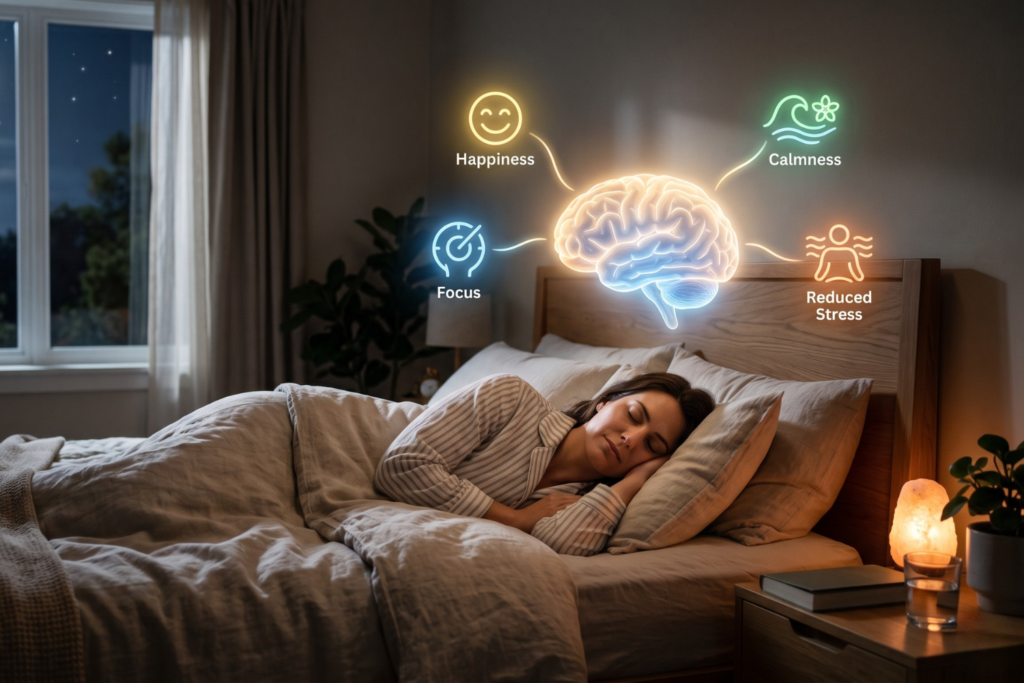
The connection between sleep and mental health is far stronger than most people think. A good night’s sleep can improve mood, increase emotional resilience, enhance concentration, and reduce stress. On the other hand, poor sleep can contribute to anxiety, depression, irritability, and a range of other mental health challenges.
As awareness around mental wellness continues to grow, experts are emphasizing the importance of quality sleep as a foundational component of overall health. Understanding how sleep affects the mind can help individuals make better choices that support both their physical and emotional well-being.
Understanding the Relationship Between Sleep and Mental Health
Sleep and mental health share a two-way relationship. Mental health conditions can affect sleep patterns, and poor sleep can negatively impact mental health. This interconnected relationship means that improving one often helps improve the other.
During sleep, the brain performs essential maintenance functions. It processes emotions, consolidates memories, removes waste products, and restores cognitive function. These activities help prepare the mind to handle daily challenges, regulate emotions, and maintain psychological balance.
When sleep is disrupted, these processes become less effective. As a result, individuals may experience mood swings, increased stress levels, reduced concentration, and greater emotional sensitivity.
Researchers have found that people who consistently experience poor sleep are at a higher risk of developing mental health disorders, while those with existing mental health conditions often report sleep disturbances as one of their most common symptoms.
Why Sleep Is Essential for Emotional Regulation
One of the most important functions of sleep is emotional regulation. Sleep helps the brain process experiences and manage emotional responses in a healthy way.
After a restful night, people are generally better equipped to:
- Handle stress effectively
- Respond calmly to challenges
- Maintain emotional balance
- Make rational decisions
- Communicate more effectively
When sleep is lacking, emotional reactions tend to become more intense. Minor inconveniences may feel overwhelming, and stressful situations can become harder to manage.
Studies have shown that sleep deprivation increases activity in the brain’s emotional centers while reducing activity in areas responsible for logical thinking and decision-making. This imbalance can make individuals more reactive, impulsive, and vulnerable to negative emotions.
The Impact of Sleep Deprivation on Mental Health
Sleep deprivation affects nearly every aspect of psychological functioning. Even a few nights of inadequate sleep can have noticeable effects on mood and cognitive performance.
Increased Anxiety
Anxiety and sleep problems often occur together. Lack of sleep can increase feelings of worry, nervousness, and tension. Individuals who are sleep-deprived may find themselves overthinking situations, expecting negative outcomes, or feeling constantly on edge.
Poor sleep also raises cortisol levels, which is the body’s primary stress hormone. Elevated cortisol can make anxiety symptoms more severe and create a cycle that becomes difficult to break.
Higher Risk of Depression
Research consistently shows a strong link between sleep disturbances and depression. Insomnia is not only a symptom of depression but can also be a contributing factor in its development.
People who regularly experience insufficient or poor-quality sleep are more likely to develop depressive symptoms over time. Likewise, improving sleep quality is often an important part of depression treatment plans.
Mood Swings and Irritability
Sleep deprivation can significantly affect mood stability. Individuals who don’t get enough rest often report feeling:
- Irritable
- Frustrated
- Easily angered
- Emotionally sensitive
- Less patient with others
These emotional changes can impact relationships, work performance, and overall quality of life.
Difficulty Managing Stress
Stress is a normal part of life, but sleep helps the body recover from stressful experiences. Without adequate rest, stress levels can accumulate, making it harder to cope with everyday challenges.
People who are chronically sleep-deprived often feel overwhelmed by situations that would otherwise seem manageable.
How Sleep Affects Brain Function
The relationship between sleep and mental health extends beyond emotions. Sleep also plays a vital role in cognitive performance.
Improved Memory
During sleep, the brain organizes and stores information gathered throughout the day. This process strengthens memory and supports learning.
Without sufficient sleep, the brain struggles to retain new information, making it harder to learn new skills or remember important details.
Better Concentration
Quality sleep improves attention span and focus. People who sleep well are generally more productive, efficient, and capable of maintaining concentration for longer periods.
Sleep deprivation can lead to:
- Reduced attention
- Increased mistakes
- Slower reaction times
- Difficulty completing tasks
Enhanced Decision-Making
Good sleep supports logical thinking and problem-solving abilities. When the brain is well-rested, it can evaluate situations more effectively and make better decisions.
Lack of sleep often impairs judgment and increases impulsive behavior, which can contribute to poor choices and increased stress.
The Role of Sleep in Building Resilience
Mental resilience refers to the ability to recover from setbacks and adapt to challenging situations. Sleep plays a critical role in strengthening this resilience.
When people are adequately rested, they tend to:
- Maintain a more positive outlook
- Recover from stress more quickly
- Handle uncertainty better
- Feel more confident in their abilities
In contrast, chronic sleep deprivation can make even minor challenges feel overwhelming.
By prioritizing sleep, individuals can improve their capacity to navigate life’s ups and downs while protecting their mental health.
Common Sleep Problems That Affect Mental Health
Several sleep disorders can contribute to mental health challenges.
Insomnia
Insomnia involves difficulty falling asleep, staying asleep, or waking up too early. It is one of the most common sleep disorders and is closely linked to anxiety and depression.
Sleep Apnea
Sleep apnea causes repeated interruptions in breathing during sleep. These interruptions reduce sleep quality and can lead to fatigue, mood disturbances, and cognitive difficulties.
Restless Legs Syndrome
This condition causes uncomfortable sensations in the legs that create an urge to move them, often interfering with sleep.
Circadian Rhythm Disorders
Disruptions to the body’s internal clock can affect sleep timing and quality, leading to daytime fatigue and mood changes.
Recognizing and addressing these conditions is essential for improving both sleep and mental well-being.
Signs That Poor Sleep May Be Affecting Your Mental Health
Sometimes people don’t realize how much their sleep habits are impacting their emotional health.
Common warning signs include:
- Persistent fatigue
- Difficulty concentrating
- Increased anxiety
- Frequent mood swings
- Lack of motivation
- Feeling emotionally overwhelmed
- Increased irritability
- Difficulty managing stress
If these symptoms persist despite lifestyle changes, it may be helpful to consult a healthcare professional.
Practical Tips for Better Sleep and Better Mental Health
Improving sleep quality doesn’t always require drastic changes. Small adjustments can make a significant difference over time.
Maintain a Consistent Sleep Schedule
Going to bed and waking up at the same time each day helps regulate the body’s internal clock and promotes healthier sleep patterns.
Create a Relaxing Bedtime Routine
Activities such as reading, meditation, stretching, or taking a warm bath can signal to the brain that it’s time to wind down.
Limit Screen Time Before Bed
The blue light emitted by phones, tablets, and computers can interfere with melatonin production, making it harder to fall asleep.
Try to avoid screens at least one hour before bedtime.
Reduce Caffeine Intake
Caffeine can remain in the body for several hours. Limiting consumption in the afternoon and evening may improve sleep quality.
Exercise Regularly
Physical activity supports both sleep and mental health. Regular exercise can reduce stress, improve mood, and promote deeper sleep.
Optimize Your Sleep Environment
A comfortable bedroom can make a significant difference. Consider:
- Keeping the room cool
- Reducing noise
- Using blackout curtains
- Investing in a supportive mattress and pillow
Practice Stress Management
Techniques such as mindfulness, deep breathing exercises, and journaling can help calm the mind before bedtime.
When to Seek Professional Help
Occasional sleep difficulties are normal, but persistent sleep problems should not be ignored.
If poor sleep is affecting your daily functioning, relationships, or emotional well-being, consider speaking with:
- A healthcare provider
- A sleep specialist
- A licensed therapist
- A mental health professional
Treating underlying sleep issues can often lead to significant improvements in mental health and overall quality of life.
Final Thoughts
The connection between sleep and mental health is undeniable. Sleep is not a luxury—it’s a biological necessity that directly influences how we think, feel, and function every day.
From regulating emotions and reducing stress to improving memory and strengthening resilience, quality sleep provides the foundation for better mental well-being. Unfortunately, many people underestimate its importance until sleep problems begin affecting their mood, productivity, and overall quality of life.
By making sleep a priority and adopting healthier habits, individuals can support both their mental and physical health. Sometimes the most powerful step toward feeling better isn’t adding something new to your routine—it’s simply getting the rest your mind and body have been asking for all along.