
Stress has become a common part of modern life. Whether it comes from work deadlines, family responsibilities, financial concerns, or simply trying to keep up with daily demands, stress can take a serious toll on both physical and mental well-being. While occasional stress is normal, chronic stress can affect your mood, energy levels, sleep quality, relationships, and overall health.
The good news is that there are many effective stress relief techniques that can help you regain control, improve your focus, and create a greater sense of calm. By incorporating simple stress-management habits into your daily routine, you can reduce tension and build resilience against life’s challenges.
In this guide, we’ll explore 15 practical stress relief techniques that can help you feel more balanced, productive, and emotionally healthy.
Why Managing Stress Matters
Stress triggers the body’s natural “fight-or-flight” response. While this response can be helpful during emergencies, prolonged activation can lead to negative health effects, including:
- Anxiety and irritability
- Difficulty concentrating
- Fatigue and burnout
- Headaches and muscle tension
- Digestive issues
- Sleep disturbances
- Increased risk of chronic illnesses
Learning healthy coping strategies allows your mind and body to recover, helping you maintain better emotional and physical health.
1. Practice Deep Breathing Exercises
One of the quickest and most effective stress relief techniques is deep breathing. Controlled breathing signals your nervous system to relax, reducing feelings of tension and anxiety.
Try this simple exercise:
- Sit comfortably.
- Inhale slowly through your nose for four counts.
- Hold your breath for four counts.
- Exhale slowly through your mouth for six counts.
- Repeat for several minutes.
Deep breathing can be done anywhere, making it an excellent tool for managing stress during busy days.
2. Get Regular Physical Activity
Exercise is a powerful natural stress reliever. Physical movement helps release endorphins, often referred to as “feel-good” hormones, which improve mood and reduce stress levels.
Effective activities include:
- Walking
- Jogging
- Cycling
- Swimming
- Strength training
- Dancing
Even 20 to 30 minutes of movement each day can make a noticeable difference in your emotional well-being.
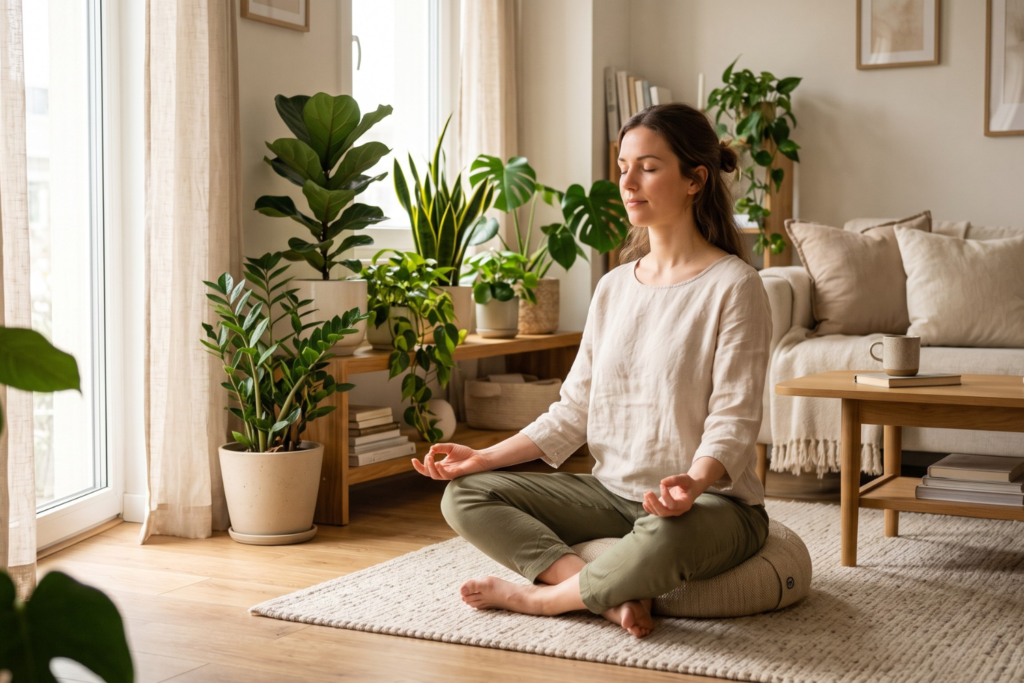
3. Practice Mindfulness Meditation
Mindfulness encourages you to focus on the present moment rather than worrying about the future or dwelling on the past.
Regular mindfulness practice can:
- Lower anxiety
- Improve concentration
- Reduce emotional reactivity
- Enhance self-awareness
Start with just five minutes a day by sitting quietly and paying attention to your breathing without judgment.
4. Improve Your Sleep Habits
Poor sleep and stress often create a frustrating cycle. Stress makes it difficult to sleep, while lack of sleep increases stress levels.
To improve sleep quality:
- Maintain a consistent bedtime
- Limit screen time before bed
- Avoid caffeine late in the day
- Create a relaxing nighttime routine
- Keep your bedroom cool and comfortable
Quality sleep helps your body recover and strengthens your ability to handle stress effectively.
5. Spend Time in Nature
Nature has a remarkable calming effect on the mind. Research consistently shows that spending time outdoors can lower cortisol levels, the hormone associated with stress.
Simple ways to connect with nature include:
- Walking in a park
- Gardening
- Hiking local trails
- Sitting near water
- Watching a sunrise or sunset
Even a short outdoor break during your workday can help clear your mind and improve focus.
6. Limit Information Overload
Constant exposure to news, social media updates, and digital notifications can contribute significantly to stress.
Consider setting boundaries by:
- Limiting news consumption
- Taking social media breaks
- Turning off non-essential notifications
- Scheduling technology-free periods
Reducing digital clutter can help create mental space and improve emotional balance.
7. Practice Gratitude Daily
Gratitude shifts your focus from what’s wrong to what’s going well in your life.
Try keeping a gratitude journal and write down three things you’re thankful for each day. These can be simple moments such as:
- A supportive friend
- Good health
- A pleasant conversation
- A beautiful day
Over time, gratitude can improve optimism and reduce stress-related thinking patterns.
8. Listen to Calming Music
Music has a powerful impact on emotions and stress levels. Slow, relaxing music can lower blood pressure, reduce heart rate, and promote relaxation.
Create a playlist featuring:
- Instrumental music
- Nature sounds
- Soft acoustic tracks
- Meditation music
Listening to calming music during work breaks or before bedtime can help reduce stress and improve mood.
9. Stay Connected with Supportive People
Strong social connections play an important role in emotional health. Talking with trusted friends, family members, or support groups can provide comfort and perspective during stressful times.
Meaningful conversations can:
- Reduce feelings of isolation
- Offer emotional support
- Help solve problems
- Improve resilience
Don’t hesitate to reach out when you’re feeling overwhelmed.
10. Use Journaling as an Emotional Outlet
Writing down your thoughts and feelings can be a healthy way to process stress.
Journaling allows you to:
- Identify stress triggers
- Organize your thoughts
- Express difficult emotions
- Track personal growth
You don’t need to write extensively. Even a few minutes of reflection can provide clarity and emotional relief.
11. Learn Time Management Skills
Poor time management often contributes to unnecessary stress. Feeling overwhelmed by responsibilities can make it difficult to focus and stay productive.
Helpful strategies include:
- Prioritizing important tasks
- Breaking large projects into smaller steps
- Using a planner or calendar
- Setting realistic goals
- Avoiding excessive multitasking
Better organization can help reduce feelings of chaos and increase confidence.
12. Practice Progressive Muscle Relaxation
Progressive muscle relaxation involves tensing and relaxing different muscle groups throughout the body.
This technique can help:
- Reduce physical tension
- Increase body awareness
- Promote relaxation
- Improve sleep quality
Start at your feet and gradually work your way up to your head, focusing on releasing tension from each area.
13. Engage in Creative Activities
Creative hobbies provide a healthy escape from daily stressors and encourage relaxation.
Consider activities such as:
- Painting
- Drawing
- Writing
- Photography
- Crafting
- Playing a musical instrument
Creative expression can help calm the mind and improve overall well-being.
14. Practice Self-Compassion
Many people place unrealistic expectations on themselves, which can increase stress and self-criticism.
Self-compassion involves:
- Speaking to yourself kindly
- Accepting imperfections
- Recognizing that everyone experiences challenges
- Allowing yourself to make mistakes
Treating yourself with understanding can significantly reduce emotional stress.
15. Seek Professional Support When Needed
Sometimes stress becomes overwhelming despite your best efforts. In these situations, speaking with a mental health professional can be extremely beneficial.
Therapists and counselors can help you:
- Identify underlying stressors
- Develop healthy coping strategies
- Manage anxiety and burnout
- Improve emotional resilience
Seeking support is a proactive step toward better mental health and overall wellness.
Creating Your Personal Stress Management Plan
Not every technique works the same way for everyone. The key is to experiment and discover which strategies fit your lifestyle and needs.
Consider creating a simple stress-management routine that includes:
- Daily movement
- Mindfulness practice
- Healthy sleep habits
- Regular social connection
- Time for hobbies and relaxation
Small, consistent actions often produce the most meaningful long-term results.
Final Thoughts
Stress is an unavoidable part of life, but it doesn’t have to control your well-being. By incorporating effective stress relief techniques into your daily routine, you can improve your emotional resilience, enhance your focus, and experience greater peace of mind.
Whether you start with deep breathing, exercise, mindfulness, or journaling, every positive step contributes to a healthier and more balanced life. Remember that managing stress is an ongoing practice, and even small changes can make a significant difference over time.
The goal isn’t to eliminate stress completely—it’s to develop healthy ways to respond to it so you can continue thriving in both your personal and professional life.