
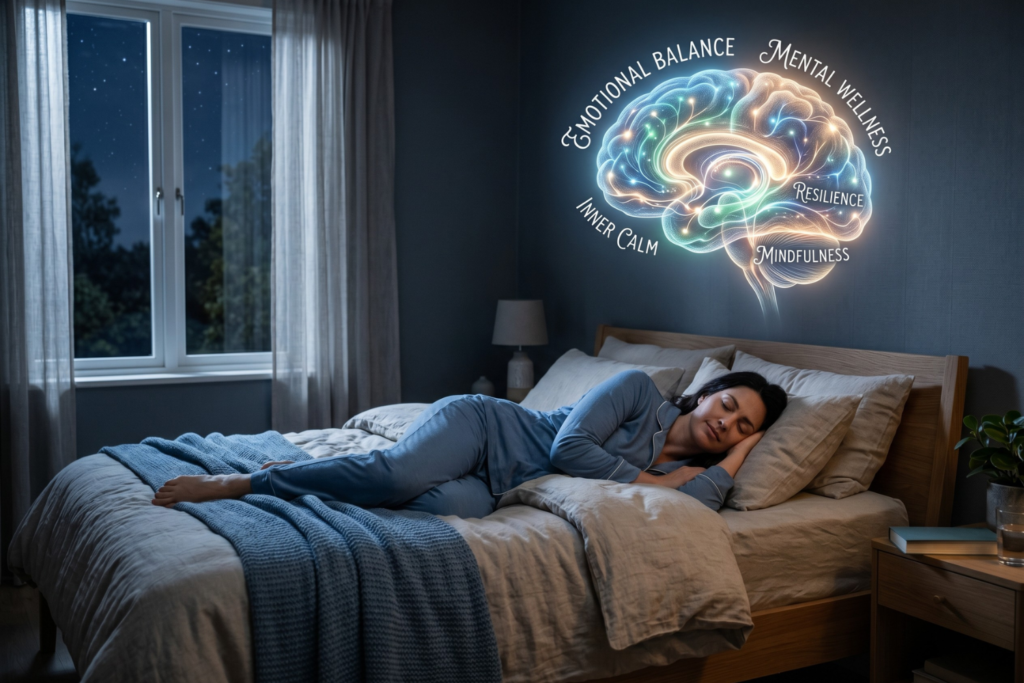
In today’s fast-paced world, sleep is often treated as a luxury rather than a necessity. Many people sacrifice sleep to meet work deadlines, manage family responsibilities, or keep up with social commitments. However, what often gets overlooked is the profound connection between sleep and mental health.
Sleep is not simply a period of rest. It is a critical biological process that allows the brain and body to recover, regulate emotions, process memories, and maintain overall well-being. When sleep quality suffers, mental health often follows. Likewise, mental health challenges can significantly disrupt sleep patterns, creating a cycle that can be difficult to break.
Understanding the relationship between sleep and mental health can help individuals take meaningful steps toward improving both their emotional well-being and their quality of life.
Why Sleep Matters for Mental Health
Sleep plays a crucial role in maintaining healthy brain function. During sleep, the brain performs essential tasks that support emotional regulation, learning, memory consolidation, and stress management.
When you get sufficient restorative sleep, your brain is better equipped to:
- Process emotions effectively
- Handle daily stressors
- Maintain focus and concentration
- Regulate mood
- Make sound decisions
- Build resilience against anxiety and depression
Conversely, chronic sleep deprivation can negatively affect nearly every aspect of mental functioning.
Research consistently shows that poor sleep increases the risk of developing mental health conditions while also worsening existing symptoms.
The Two-Way Relationship Between Sleep and Mental Health
One of the most important aspects of understanding sleep and mental health is recognizing that the relationship works both ways.
Poor Sleep Can Harm Mental Health
Lack of sleep can contribute to:
- Increased anxiety
- Depression symptoms
- Irritability
- Mood swings
- Emotional instability
- Difficulty concentrating
- Reduced stress tolerance
Even a few nights of inadequate sleep can leave people feeling emotionally overwhelmed and mentally exhausted.
Mental Health Challenges Can Affect Sleep
Mental health conditions often interfere with healthy sleep patterns.
For example:
- Anxiety can make it difficult to fall asleep due to racing thoughts.
- Depression may cause insomnia or excessive sleeping.
- Chronic stress can trigger nighttime awakenings.
- Trauma-related disorders often lead to nightmares and disrupted sleep.
This creates a cycle where poor sleep worsens mental health symptoms, and those symptoms further interfere with sleep.
Sleep and Anxiety
Anxiety and sleep problems are closely connected.
When a person experiences anxiety, their nervous system remains in a heightened state of alertness. This can make it difficult to relax enough to fall asleep.
Common sleep-related symptoms of anxiety include:
- Racing thoughts
- Difficulty falling asleep
- Frequent waking during the night
- Restlessness
- Early morning awakenings
Insufficient sleep can also intensify anxious feelings the following day.
The brain’s emotional centers become more reactive when sleep deprived, making everyday situations feel more stressful and overwhelming.
Many individuals find that improving sleep habits significantly reduces anxiety symptoms over time.
Suggested Internal Link:
- anxiety management techniques → [Insert Daily Dose Of Dee URL]
Sleep and Depression
The relationship between sleep and depression is particularly strong.
Studies have found that people experiencing insomnia are at a significantly higher risk of developing depression. At the same time, sleep disturbances are one of the most common symptoms among those already living with depression.
People with depression may experience:
- Difficulty falling asleep
- Frequent nighttime awakenings
- Waking too early
- Sleeping excessively
- Non-restorative sleep
Poor sleep can worsen depressive symptoms by affecting neurotransmitters such as serotonin and dopamine, which play important roles in mood regulation.
Addressing sleep problems is often a key component of depression treatment and recovery.
Suggested Internal Link:
- depression support and recovery → [Insert Daily Dose Of Dee URL]
How Sleep Affects Emotional Regulation
Have you ever noticed that everything feels harder after a poor night’s sleep?
That’s because sleep directly affects the brain’s ability to regulate emotions.
When sleep is inadequate:
- Negative emotions become more intense.
- Frustration tolerance decreases.
- Stress feels harder to manage.
- Emotional reactions become stronger.
The amygdala, the brain’s emotional processing center, becomes more reactive when sleep deprived. At the same time, the prefrontal cortex, responsible for rational thinking and emotional control, becomes less effective.
This imbalance can make emotional challenges feel much larger than they actually are.
Getting sufficient sleep helps restore emotional balance and improves resilience during stressful situations.
The Role of Sleep in Stress Management
Stress is an unavoidable part of life, but sleep determines how effectively we cope with it.
During sleep, the body regulates stress hormones such as cortisol. Healthy sleep helps maintain a balanced stress response, allowing people to navigate daily challenges more effectively.
When sleep is consistently disrupted:
- Cortisol levels remain elevated
- The body stays in a state of heightened alertness
- Recovery from stress becomes more difficult
- Chronic stress becomes more likely
People who prioritize sleep often find that they are better equipped to handle life’s demands and maintain a more positive outlook.
Suggested Internal Link:
- stress management therapy → [Insert Daily Dose Of Dee URL]
Cognitive Benefits of Quality Sleep
Mental well-being extends beyond emotions. It also includes cognitive performance.
Sleep supports several important brain functions, including:
Memory Consolidation
During sleep, the brain organizes and stores information gathered throughout the day.
Focus and Attention
Adequate sleep improves concentration and reduces mental fatigue.
Decision-Making
Sleep helps individuals think clearly and make better decisions.
Creativity
Many creative insights occur after periods of restful sleep because the brain processes information differently during sleep cycles.
Poor sleep can impair all of these functions, making daily tasks more challenging.
Signs That Poor Sleep May Be Affecting Your Mental Health
Many people don’t immediately recognize when sleep issues are contributing to emotional difficulties.
Some warning signs include:
- Constant fatigue
- Increased irritability
- Difficulty concentrating
- Persistent worry
- Mood swings
- Low motivation
- Reduced productivity
- Feeling emotionally overwhelmed
- Increased sensitivity to stress
If these symptoms occur alongside sleep problems, improving sleep quality may have a positive impact on mental well-being.
Healthy Sleep Habits That Support Mental Wellness
Fortunately, small changes can make a significant difference.
Maintain a Consistent Sleep Schedule
Go to bed and wake up at the same time each day, including weekends.
Create a Relaxing Bedtime Routine
Activities such as reading, gentle stretching, meditation, or journaling can help signal to the brain that it’s time to wind down.
Limit Screen Time Before Bed
Blue light from phones, tablets, and computers can interfere with melatonin production and make falling asleep more difficult.
Reduce Caffeine Intake
Avoid caffeine in the late afternoon and evening to prevent sleep disruptions.
Optimize Your Sleep Environment
Create a bedroom that is:
- Dark
- Quiet
- Cool
- Comfortable
Exercise Regularly
Physical activity supports better sleep and improved mental health. However, intense exercise close to bedtime may interfere with sleep for some individuals.
Manage Stress
Practicing mindfulness, deep breathing, and relaxation techniques can improve both sleep quality and emotional well-being.
Suggested Internal Link:
- self-care tips for mental health → [Insert Daily Dose Of Dee URL]
When to Seek Professional Help
Occasional sleep difficulties are normal. However, persistent sleep problems should not be ignored.
Consider seeking professional support if:
- Sleep issues last longer than a few weeks
- Mental health symptoms interfere with daily life
- Anxiety prevents restful sleep
- Depression symptoms continue to worsen
- Fatigue affects work, relationships, or personal well-being
A healthcare provider or mental health professional can help identify underlying causes and recommend appropriate treatment options.
The Future of Mental Wellness Starts with Better Sleep
Many people search for solutions to anxiety, stress, burnout, and emotional exhaustion without realizing that sleep may be one of the most powerful tools available.
Prioritizing sleep is not selfish or unproductive. It is an essential investment in physical, emotional, and mental well-being.
By understanding the connection between sleep and mental health, individuals can take meaningful steps toward improving their mood, increasing resilience, enhancing cognitive function, and creating a healthier, more balanced life.
Conclusion
The connection between sleep and mental health is undeniable. Quality sleep supports emotional regulation, reduces stress, strengthens cognitive function, and helps protect against mental health challenges such as anxiety and depression.
While modern life often encourages sacrificing sleep for productivity, the evidence clearly shows that adequate rest is one of the most important foundations of overall well-being.
Making sleep a priority today can lead to better mental health, improved emotional resilience, and a healthier future tomorrow.