
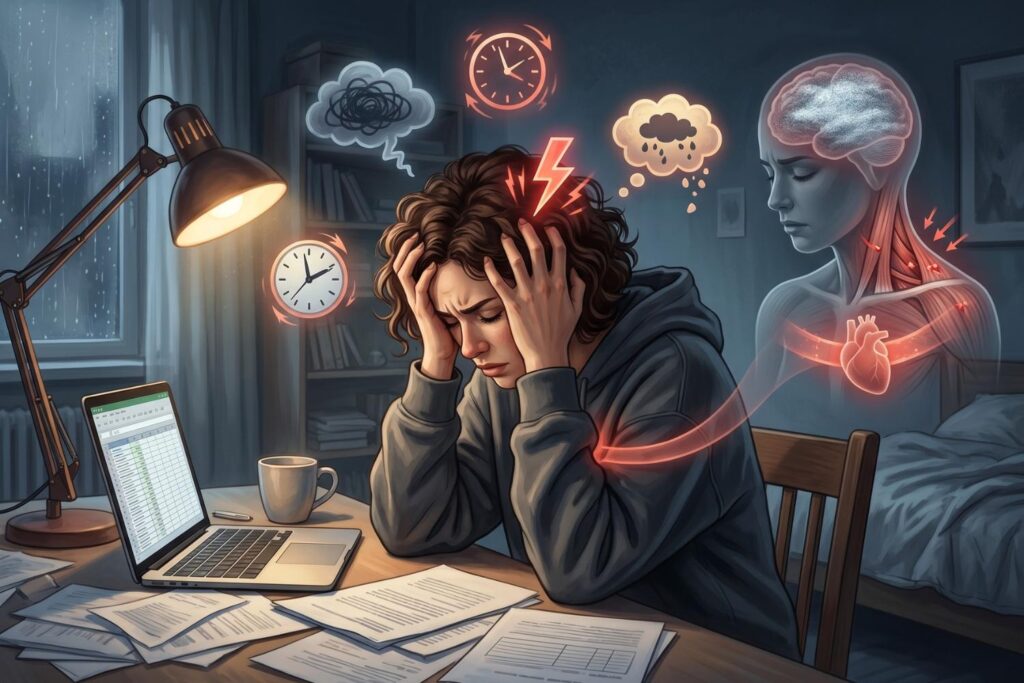
Stress has become such a common part of modern life that many people treat it like a normal condition rather than a warning sign. Deadlines, financial pressure, relationship problems, health concerns, and nonstop digital distractions can slowly overwhelm the mind and body. While short-term stress can sometimes motivate people to act, long-term stress can quietly damage both physical and mental health in ways many people do not immediately notice.
If you have ever asked yourself “what a stress really does to the body,” the answer is deeper than most people realize. Stress affects your brain, heart, sleep, hormones, digestion, emotions, and even your immune system. Ignoring the signs can lead to burnout, anxiety, depression, and chronic health issues.
In this article, we will explore how stress impacts your body and mind, the warning signs you should never ignore, and healthy ways to regain balance naturally.
Understanding What Stress Really Is
Stress is the body’s natural response to pressure or danger. When your brain senses a threat—whether physical or emotional—it activates the “fight-or-flight” response. Hormones like cortisol and adrenaline flood your body, increasing heart rate, blood pressure, and alertness.
This response is helpful during emergencies. However, when stress becomes constant, the body stays stuck in survival mode. That is when problems begin.
Many people searching for answers about what a stress truly means are often already experiencing its effects without fully realizing it.
How Stress Affects the Brain
1. Memory Problems
Chronic stress can interfere with concentration and memory. High cortisol levels affect the hippocampus, the part of the brain responsible for learning and memory retention.
You may notice:
- Forgetting small tasks
- Difficulty focusing
- Trouble making decisions
- Mental fog
Over time, persistent stress can make even simple daily responsibilities feel exhausting.
2. Anxiety and Overthinking
Stress and anxiety are closely connected. When stress levels remain high, the brain becomes hyper-alert, constantly expecting problems or danger.
Common emotional symptoms include:
- Racing thoughts
- Constant worry
- Irritability
- Feeling emotionally overwhelmed
- Panic attacks
If left unmanaged, chronic stress can eventually contribute to anxiety disorders or depression.
3. Mood Swings and Emotional Exhaustion
Stress drains emotional energy. One moment you may feel angry, and the next you feel numb or hopeless. Emotional burnout often happens slowly, making it difficult to notice until daily life feels unbearable.
What Stress Does to the Body
Stress is not only “in your head.” It affects nearly every organ system in the body.
1. Increased Heart Rate and Blood Pressure
When stress hormones stay elevated, your heart works harder than normal. Chronic stress may increase the risk of:
- High blood pressure
- Heart disease
- Irregular heartbeat
- Stroke
People under constant stress often experience chest tightness or heart palpitations without understanding the connection.
2. Weakened Immune System
Long-term stress weakens the immune system, making the body more vulnerable to illnesses.
You may notice:
- Frequent colds
- Slow healing
- Fatigue
- Increased inflammation
Your body becomes less effective at protecting itself when stress levels remain high for too long.
3. Digestive Problems
The gut and brain are deeply connected. Stress can disrupt digestion and worsen gastrointestinal conditions.
Common digestive symptoms include:
- Stomach pain
- Nausea
- Acid reflux
- Bloating
- Diarrhea or constipation
Some people experience appetite loss, while others turn to emotional eating as a coping mechanism.
4. Sleep Disturbances
Stress can make it difficult to relax the mind at night. Poor sleep then increases stress levels, creating a frustrating cycle.
Signs include:
- Trouble falling asleep
- Waking up during the night
- Nightmares
- Feeling tired after sleeping
Without proper rest, both mental and physical health begin to suffer quickly.
5. Muscle Tension and Body Pain
Stress causes muscles to tighten automatically. Over time, this tension can lead to:
- Headaches
- Neck pain
- Shoulder stiffness
- Back pain
- Jaw clenching
Many people carry stress physically without realizing it.
Emotional Signs of Too Much Stress
Some stress symptoms are emotional rather than physical. These signs are often ignored because people assume they are simply “having a bad day.”
Watch for:
- Constant irritability
- Feeling emotionally numb
- Loss of motivation
- Increased sensitivity
- Withdrawing from loved ones
- Lack of enjoyment in activities
- Feeling hopeless or trapped
These emotional changes are your mind’s way of signaling overload.
Behavioral Signs You Shouldn’t Ignore
Stress also changes behavior patterns. Sometimes these habits develop gradually.
Common Behavioral Changes
- Overeating or undereating
- Increased caffeine use
- Smoking or drinking more often
- Avoiding responsibilities
- Spending excessive time online
- Emotional outbursts
- Procrastination
These coping mechanisms may provide temporary relief but often worsen stress in the long run.
Why Chronic Stress Is Dangerous
Short bursts of stress are normal. Chronic stress is different because the body never fully returns to a calm state.
Over time, unmanaged stress may contribute to:
- Anxiety disorders
- Depression
- Diabetes
- Obesity
- Heart disease
- Hormonal imbalance
- Digestive disorders
- Burnout syndrome
The earlier you recognize stress symptoms, the easier it becomes to protect your health.
How to Know When Stress Is Becoming Serious
You should take stress seriously when:
- Symptoms last for weeks or months
- You feel exhausted every day
- Stress affects work or relationships
- You experience panic attacks
- Sleep problems become constant
- Physical symptoms worsen
- You feel emotionally disconnected from life
These are signs your body and mind need immediate attention and recovery.
Healthy Ways to Manage Stress Naturally
The good news is that stress can be managed with consistent healthy habits. Small daily changes often create powerful long-term improvements.
1. Prioritize Sleep
Sleep is one of the body’s most important recovery tools. Aim for 7–9 hours of quality sleep each night.
Helpful habits include:
- Limiting screen time before bed
- Keeping a consistent sleep schedule
- Avoiding caffeine late in the day
- Creating a calm nighttime routine
2. Move Your Body Daily
Exercise helps reduce cortisol levels and releases endorphins that improve mood naturally.
You do not need intense workouts. Simple activities help:
- Walking
- Stretching
- Yoga
- Dancing
- Cycling
Even 20–30 minutes a day can make a noticeable difference.
3. Practice Deep Breathing and Mindfulness
Breathing exercises calm the nervous system and help the body exit fight-or-flight mode.
Try:
- Deep belly breathing
- Meditation
- Mindfulness exercises
- Prayer or quiet reflection
These practices help train the brain to respond to stress more calmly.
4. Reduce Mental Overload
Modern life constantly floods the brain with information. Reducing overstimulation can improve mental clarity.
Helpful steps:
- Limit social media use
- Take breaks from news consumption
- Set boundaries with work
- Spend time in nature
- Disconnect from screens regularly
Mental rest is just as important as physical rest.
5. Talk to Someone You Trust
Stress becomes heavier when carried alone. Sharing your thoughts with someone supportive can reduce emotional pressure.
Consider:
- Friends or family
- Support groups
- Therapists or counselors
- Spiritual mentors
Professional help is especially important if stress begins affecting daily functioning.
6. Nourish Your Body Properly
Stress often increases cravings for sugar, processed foods, and caffeine. However, nutrition plays a major role in emotional balance.
Focus on:
- Drinking enough water
- Eating whole foods
- Increasing fruits and vegetables
- Reducing excessive caffeine
- Avoiding emotional binge eating
A balanced diet supports brain and hormone health.
The Connection Between Stress and Mental Health
Stress and mental health are deeply connected. Chronic stress changes brain chemistry and emotional resilience over time.
When stress remains unresolved, it can increase the risk of:
- Depression
- Anxiety disorders
- Emotional burnout
- Social withdrawal
- Low self-esteem
That is why learning healthy coping strategies early is so important.
If you are struggling emotionally, resources like <a href=”https://dailydoseofdee.com/”>Daily Dose Of Dee</a> can provide supportive wellness content focused on emotional healing, mindset growth, and self-care practices.
Simple Daily Habits That Lower Stress
Managing stress does not always require dramatic life changes. Small consistent habits often work best.
Daily stress-reducing habits include:
- Drinking water regularly
- Taking short walks
- Spending time outdoors
- Journaling thoughts
- Listening to calming music
- Practicing gratitude
- Saying no to unnecessary obligations
- Making time for hobbies
The goal is not to eliminate stress completely but to prevent it from controlling your life.
Final Thoughts
Understanding what a stress really does to your mind and body is the first step toward protecting your health. Stress affects far more than emotions—it influences sleep, immunity, digestion, memory, energy levels, and overall well-being.
The body often sends warning signs long before serious burnout happens. Ignoring those signs can lead to long-term physical and emotional consequences.
Pay attention to your body. Rest when needed. Create healthy boundaries. Reach out for support. Most importantly, remember that managing stress is not weakness—it is an essential part of living a healthier and more balanced life.