
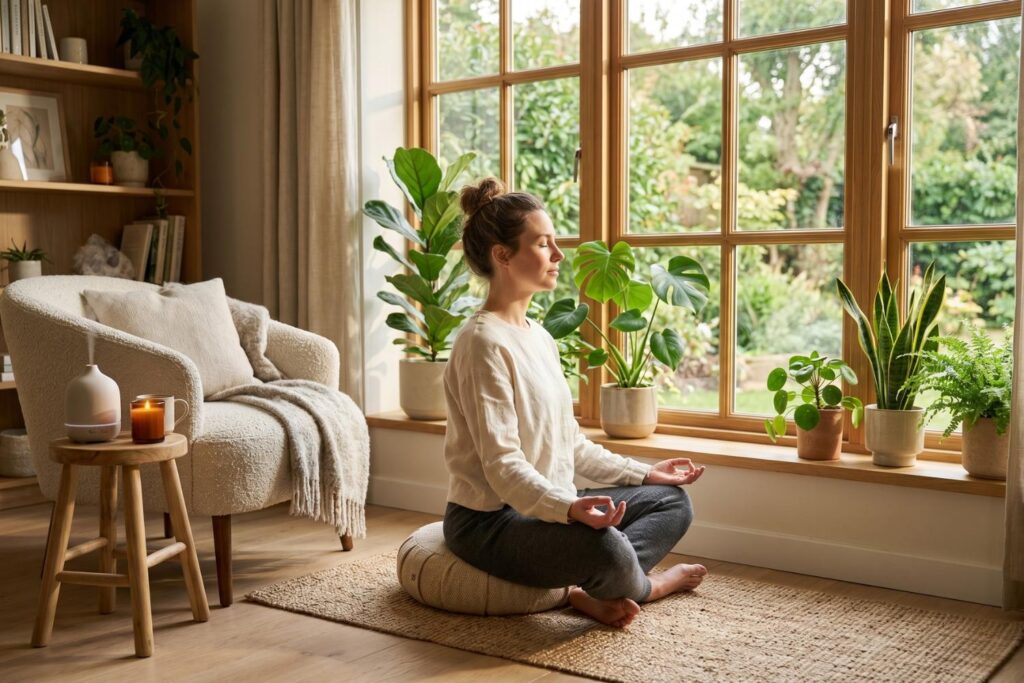
Stress is a part of life. Whether it comes from work deadlines, family responsibilities, financial pressure, or personal struggles, everyone experiences it at some point. But when stress becomes constant, it can affect your mental clarity, emotional balance, physical health, and even your relationships. That is why learning effective stress management techniques is essential for living a healthier and happier life.
At Daily Dose Of Dee, we believe that small daily habits can create powerful changes in your emotional well-being. In this guide, you will discover practical and realistic stress management tips that can help you feel calmer, think more clearly, and improve your overall mental health naturally.
What Is Stress Management?
extStress+extPoorCopingHabits=extMentalandEmotionalExhaustion
Stress management refers to the techniques, habits, and lifestyle changes people use to reduce emotional tension and handle stressful situations more effectively. It does not mean eliminating all stress from life. Instead, it means learning how to respond to challenges in a healthier way.
Good stress management helps you:
- Improve emotional stability
- Reduce anxiety and overthinking
- Sleep better
- Increase focus and productivity
- Maintain healthy relationships
- Protect your physical health
Without proper stress management, chronic stress may lead to burnout, depression, anxiety disorders, headaches, fatigue, and weakened immunity.
Common Signs That Stress Is Affecting Your Mental Health
Sometimes stress builds up slowly, making it difficult to notice its impact right away. Here are some common warning signs:
Emotional Symptoms
- Irritability
- Mood swings
- Feeling overwhelmed
- Lack of motivation
- Constant worry
Physical Symptoms
- Headaches
- Muscle tension
- Fatigue
- Sleep problems
- Digestive issues
Behavioral Symptoms
- Overeating or loss of appetite
- Social withdrawal
- Procrastination
- Increased screen time
- Lack of concentration
Recognizing these signs early is the first step toward better stress management and emotional wellness.
10 Effective Stress Management Tips
1. Practice Deep Breathing Daily
One of the quickest ways to calm your nervous system is through deep breathing. Stress often causes shallow breathing, which increases tension in the body. Slow breathing helps your brain feel safe and relaxed.
Try this simple breathing method:
- Inhale slowly for 4 seconds
- Hold your breath for 4 seconds
- Exhale slowly for 6 seconds
- Repeat for 5 minutes
This technique can reduce anxiety and improve emotional control almost instantly.
2. Get Enough Quality Sleep
Sleep and stress are deeply connected. Lack of sleep increases irritability and emotional exhaustion, while chronic stress makes it harder to sleep.
To improve sleep quality:
- Avoid screens before bedtime
- Maintain a regular sleep schedule
- Reduce caffeine intake at night
- Keep your bedroom cool and quiet
- Practice relaxation techniques before sleeping
Good sleep is one of the most important foundations of healthy stress management.
3. Exercise Regularly
Physical activity releases endorphins, which are natural mood boosters. Exercise also lowers stress hormones like cortisol.
You do not need intense workouts to feel better. Simple activities can help, including:
- Walking
- Yoga
- Stretching
- Cycling
- Dancing
- Swimming
Even 20 to 30 minutes of movement daily can improve mental and emotional health significantly.
4. Learn to Say No
Many people experience stress because they constantly try to please everyone around them. Taking on too many responsibilities can lead to emotional burnout.
Healthy boundaries are essential for effective stress management.
You can start by:
- Prioritizing important tasks
- Avoiding overcommitment
- Respecting your personal time
- Saying no without guilt
Protecting your energy is not selfish. It is necessary for emotional well-being.
5. Spend Less Time on Social Media
Social media can sometimes increase stress, comparison, and anxiety. Constant exposure to negative news and unrealistic lifestyles can affect your self-esteem and emotional balance.
Try limiting your screen time by:
- Taking short digital breaks
- Turning off notifications
- Following positive content
- Avoiding doom-scrolling before bed
Reducing online overload can create mental clarity and emotional peace.
6. Practice Mindfulness and Meditation
Mindfulness means focusing on the present moment instead of worrying about the past or future.
Meditation can help:
- Calm racing thoughts
- Improve concentration
- Reduce anxiety
- Increase emotional awareness
Even 10 minutes of mindfulness daily can strengthen your ability to handle stress.
Simple mindfulness activities include:
- Guided meditation
- Journaling
- Quiet reflection
- Gratitude practice
- Mindful walking
These habits are powerful tools for long-term stress management.
7. Maintain Healthy Relationships
Talking to supportive people can reduce emotional pressure and help you feel understood.
Healthy relationships provide:
- Emotional support
- Encouragement
- Comfort during difficult times
- A sense of belonging
Spend time with people who bring positivity into your life. Sometimes a simple conversation with a trusted friend or family member can ease stress more than expected.
8. Eat Foods That Support Mental Health
Your diet can affect your mood and stress levels. Highly processed foods and excess sugar may increase fatigue and emotional imbalance.
Focus on foods that support brain health, including:
- Fruits and vegetables
- Whole grains
- Lean proteins
- Nuts and seeds
- Healthy fats
- Plenty of water
Balanced nutrition helps your body manage stress more effectively.
9. Organize Your Daily Routine
Disorganization can create unnecessary mental pressure. Having a simple routine helps reduce chaos and improves productivity.
Helpful organization tips include:
- Writing a daily to-do list
- Breaking large tasks into smaller steps
- Setting realistic goals
- Taking regular breaks
- Avoiding multitasking
When your day feels more structured, your mind often feels calmer too.
10. Ask for Professional Support When Needed
Sometimes stress becomes too overwhelming to handle alone. There is no shame in asking for help.
Therapists and mental health professionals can provide:
- Emotional guidance
- Coping strategies
- Anxiety management tools
- Support during difficult life changes
Seeking help is a sign of strength, not weakness.
If stress starts affecting your daily life, relationships, or mental health, professional support can make a huge difference.
How Chronic Stress Affects Emotional Health
Long-term stress does more than create temporary discomfort. It can deeply affect emotional health over time.
Chronic stress may lead to:
- Anxiety disorders
- Depression
- Emotional exhaustion
- Panic attacks
- Difficulty concentrating
- Low self-esteem
That is why consistent stress management practices are essential for maintaining emotional balance and mental clarity.
Simple Daily Habits That Reduce Stress Naturally
You do not need a perfect life to feel calmer. Small habits practiced consistently can create meaningful change.
Here are a few simple daily habits:
- Drink enough water
- Spend time outdoors
- Listen to calming music
- Read inspiring books
- Practice gratitude
- Take short breaks during work
- Laugh more often
- Avoid negative self-talk
These little actions may seem small, but together they support emotional resilience.
Why Stress Management Matters More Than Ever
Modern life is fast-paced and demanding. Many people struggle with emotional pressure from work, finances, relationships, and social expectations.
Learning healthy stress management techniques helps you:
- Protect your mental health
- Improve emotional control
- Increase happiness
- Build stronger relationships
- Improve productivity
- Create a healthier lifestyle
When you manage stress effectively, you gain more energy, focus, and emotional stability in everyday life.
Final Thoughts
Stress is unavoidable, but suffering from it constantly does not have to be your normal reality. Healthy stress management practices can improve both your mental and emotional health in powerful ways.
Start with small changes. Take care of your sleep, move your body, practice mindfulness, and give yourself permission to rest. Over time, these simple habits can help you feel calmer, stronger, and more emotionally balanced.
At Daily Dose Of Dee, we encourage you to prioritize your emotional well-being and create daily routines that support a peaceful and healthy mind.