
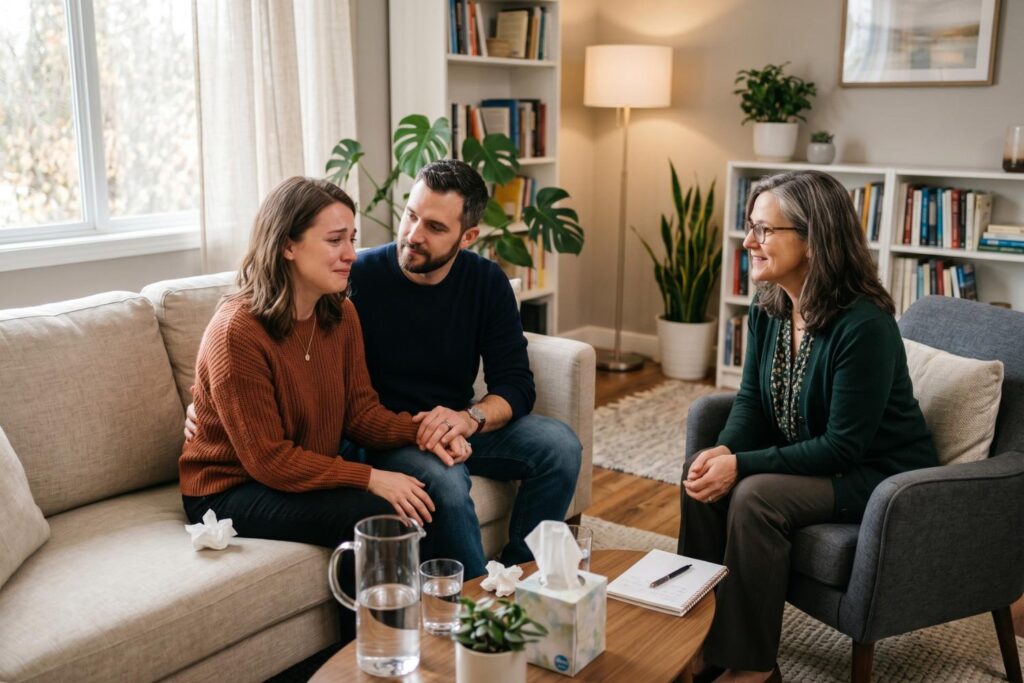
Relationships are supposed to bring comfort, connection, and emotional safety. But for many people, relationships can also trigger fear, overthinking, insecurity, and emotional stress. If you constantly worry about being abandoned, misunderstood, or unloved, you may be experiencing relationship anxiety.
The good news is that healing is possible. Working with therapists for relationship anxiety can help you understand your emotions, break unhealthy thought patterns, and build healthier relationships rooted in trust and confidence.
Whether you are dating, engaged, married, or recovering from a painful breakup, therapy can guide you toward emotional stability and peace of mind.
In this article, we will explore what relationship anxiety is, the signs to look for, how therapy helps, and practical ways to feel secure again.
What Is Relationship Anxiety?
Relationship anxiety is a constant feeling of fear, doubt, or insecurity within a romantic relationship. It often causes people to overanalyze their partner’s behavior, question the future of the relationship, or fear rejection even when there is no real threat.
Some common thoughts include:
- “What if they stop loving me?”
- “Why didn’t they text back quickly?”
- “Am I enough for them?”
- “What if they leave me?”
These fears can become emotionally exhausting and may negatively affect both partners.
Relationship anxiety is not always caused by the relationship itself. In many cases, it develops from past emotional wounds, childhood experiences, attachment styles, or low self-esteem.
Common Signs of Relationship Anxiety
Recognizing the symptoms is the first step toward healing. Here are some common signs that may indicate relationship anxiety:
Constant Reassurance Seeking
You frequently ask your partner if they still love you or if everything is okay.
Overthinking Small Situations
A short text message or delayed reply may trigger intense worry or negative assumptions.
Fear of Abandonment
You constantly worry that your partner will leave or lose interest.
Jealousy and Insecurity
You compare yourself to others or fear your partner may prefer someone else.
Emotional Dependence
Your mood heavily depends on your partner’s attention and validation.
Difficulty Trusting
Even in healthy relationships, trusting your partner feels difficult.
Avoiding Vulnerability
Some people with relationship anxiety avoid emotional closeness to protect themselves from potential pain.
If these feelings sound familiar, seeking help from therapists for relationship anxiety can make a meaningful difference.
What Causes Relationship Anxiety?
Relationship anxiety usually develops from deeper emotional experiences. Some common causes include:
Childhood Attachment Issues
People who experienced inconsistent love, emotional neglect, or unstable caregiving during childhood may struggle with secure attachment as adults.
Past Relationship Trauma
Betrayal, cheating, abandonment, or toxic relationships can leave emotional scars.
Low Self-Esteem
When someone does not feel worthy of love, they may constantly fear rejection.
Anxiety Disorders
General anxiety can also show up in romantic relationships.
Fear of Vulnerability
Opening your heart to someone can feel terrifying if you fear getting hurt.
Understanding the root cause is important because healing begins with awareness.
How Therapists for Relationship Anxiety Can Help
Professional therapy provides a safe and supportive environment to explore your fears and emotional patterns. Skilled therapists for relationship anxiety help individuals and couples develop healthier ways of thinking, communicating, and connecting.
Here are some ways therapy can help:
1. Identifying Unhealthy Thought Patterns
People with relationship anxiety often experience negative thinking patterns such as:
- Catastrophizing
- Assuming the worst
- Overanalyzing interactions
- Self-doubt
A therapist helps you recognize these patterns and replace them with healthier perspectives.
For example, instead of thinking:
“They haven’t texted me back, so they must be losing interest.”
You learn to think:
“They may simply be busy right now.”
This shift may seem small, but it can significantly reduce emotional stress.
2. Building Emotional Security
Therapy helps you feel emotionally secure within yourself instead of relying entirely on external validation.
You learn how to:
- Regulate your emotions
- Develop self-confidence
- Build self-worth
- Feel safe in relationships
Over time, you stop seeking constant reassurance and begin trusting both yourself and your partner.
3. Improving Communication Skills
Many relationship problems grow because of poor communication. Anxiety can make it difficult to express feelings calmly and honestly.
Therapists teach healthy communication strategies such as:
- Expressing needs clearly
- Listening without assumptions
- Managing conflict respectfully
- Setting healthy boundaries
Strong communication creates emotional safety and reduces misunderstandings.
4. Healing Past Emotional Wounds
Sometimes relationship anxiety is connected to unresolved pain from childhood or previous relationships.
Therapy provides space to process:
- Betrayal
- Rejection
- Emotional neglect
- Past heartbreak
- Attachment trauma
Healing old wounds can prevent them from affecting your current relationship.
5. Understanding Attachment Styles
Attachment styles strongly influence how people behave in relationships.
The main attachment styles include:
- Secure attachment
- Anxious attachment
- Avoidant attachment
- Fearful-avoidant attachment
Many people struggling with relationship anxiety have an anxious attachment style. Therapy helps you understand these patterns and move toward healthier emotional attachment.
6. Reducing Overthinking and Anxiety
Therapists often use evidence-based approaches such as Cognitive Behavioral Therapy (CBT) and mindfulness techniques to reduce anxiety symptoms.
You may learn:
- Breathing exercises
- Grounding techniques
- Mindfulness practices
- Emotional regulation strategies
These tools help calm the mind during stressful moments.
7. Strengthening Relationship Trust
Trust is one of the biggest struggles for people dealing with relationship anxiety.
Therapy helps rebuild trust by:
- Challenging irrational fears
- Encouraging honest communication
- Teaching emotional awareness
- Improving self-esteem
As trust grows, relationships become more peaceful and emotionally fulfilling.
Individual Therapy vs Couples Therapy
Both individual and couples therapy can be beneficial depending on your situation.
Individual Therapy
Focuses on your personal emotions, fears, and thought patterns.
Best for:
- Personal healing
- Self-esteem work
- Managing anxiety
- Understanding attachment issues
Couples Therapy
Helps both partners improve communication and strengthen the relationship together.
Best for:
- Communication problems
- Rebuilding trust
- Conflict resolution
- Emotional disconnection
Many people benefit from combining both approaches.
Practical Tips to Manage Relationship Anxiety
While therapy is incredibly valuable, daily habits also play an important role in healing.
Practice Self-Awareness
Notice your triggers and emotional reactions without judging yourself.
Avoid Constant Reassurance Seeking
Try calming yourself before immediately seeking validation from your partner.
Build a Life Outside the Relationship
Maintain hobbies, friendships, and personal goals.
Communicate Honestly
Express your feelings calmly instead of bottling them up.
Challenge Negative Thoughts
Ask yourself:
“Do I have real evidence for this fear?”
Focus on the Present
Avoid creating future problems in your mind.
Practice Self-Care
Sleep, exercise, journaling, and mindfulness can support emotional well-being.
For additional emotional wellness guidance, visit Daily Dose Of Dee.
When Should You Seek Professional Help?
It may be time to seek help from therapists for relationship anxiety if:
- Anxiety is affecting your daily life
- You constantly fear abandonment
- Relationships feel emotionally exhausting
- You struggle to trust healthy partners
- Overthinking causes frequent conflict
- You feel emotionally dependent
- Past trauma continues affecting your relationships
Seeking therapy is not a sign of weakness. It is a powerful step toward emotional healing and healthier relationships.
What to Expect During Therapy
Your first therapy sessions usually involve discussing:
- Relationship history
- Emotional triggers
- Communication patterns
- Personal fears and goals
A therapist may then create a personalized plan to help you:
- Understand your anxiety
- Develop coping strategies
- Improve relationship behaviors
- Build emotional confidence
Healing takes time, but progress is absolutely possible.
Can Relationship Anxiety Be Fully Overcome?
Yes, many people successfully overcome relationship anxiety and build secure, loving relationships.
Healing does not mean you will never feel anxious again. Instead, it means anxiety no longer controls your thoughts, behaviors, or relationships.
With self-awareness, healthy habits, and support from experienced therapists for relationship anxiety, you can create stronger emotional connections and enjoy relationships with greater peace and confidence.
Final Thoughts
Relationship anxiety can make love feel stressful instead of comforting. Constant worry, fear of abandonment, and emotional insecurity can drain both your mental health and your relationship.
But you do not have to navigate these feelings alone.
Working with qualified therapists for relationship anxiety can help you understand your emotional patterns, heal past wounds, improve communication, and build lasting emotional security.
Healthy relationships are not built on perfection. They are built on trust, emotional safety, and mutual understanding. With the right support and self-work, you can move from fear and insecurity toward deeper connection and peace.