
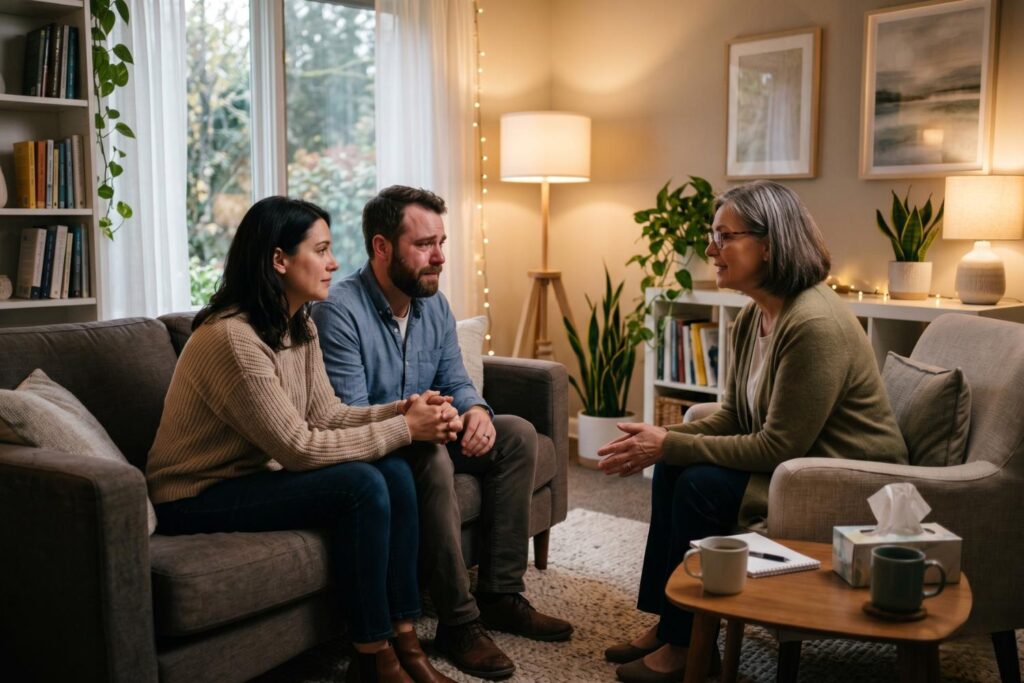
Relationships can be one of the most beautiful parts of life—but for many people, they’re also a source of deep anxiety. If you constantly overthink your partner’s actions, fear abandonment, or feel emotionally overwhelmed in your relationship, you’re not alone. Relationship anxiety is real, and more importantly, it’s treatable.
Seeking therapists for relationship anxiety can be one of the most powerful steps toward healing, self-awareness, and building healthier emotional connections. In this guide, we’ll explore what relationship anxiety is, how therapy helps, and how to find the right therapist for your journey.
What Is Relationship Anxiety?
Relationship anxiety is a persistent fear or worry about your romantic relationship. It can show up in different ways, such as:
- Constantly needing reassurance
- Overanalyzing texts or conversations
- Fear of being abandoned or rejected
- Difficulty trusting your partner
- Feeling emotionally dependent or insecure
These feelings often stem from past experiences, attachment styles, or unresolved emotional wounds. While occasional doubt is normal, chronic anxiety can damage both your mental health and your relationship.
Why You Should Consider Therapists for Relationship Anxiety
Trying to manage relationship anxiety on your own can feel exhausting. That’s where professional help comes in.
Working with therapists for relationship anxiety gives you a safe, non-judgmental space to explore your thoughts, patterns, and emotional triggers.
Here’s how therapy can help:
1. Identifying Root Causes
A therapist helps you uncover why you feel anxious. This could be linked to childhood experiences, past relationships, or low self-esteem.
2. Breaking Negative Thought Patterns
You’ll learn how to challenge overthinking and replace it with healthier, more realistic thoughts.
3. Building Emotional Security
Therapy helps you develop a stronger sense of self, reducing dependency on your partner for validation.
4. Improving Communication
You’ll gain tools to express your needs clearly without fear or conflict.
5. Learning Healthy Attachment Styles
Understanding your attachment style can transform how you connect with others.
Types of Therapy for Relationship Anxiety
Not all therapy approaches are the same. The right method depends on your personality and specific challenges.
1. Cognitive Behavioral Therapy (CBT)
CBT focuses on identifying and changing negative thought patterns. It’s highly effective for anxiety and overthinking.
2. Attachment-Based Therapy
This approach explores how your early relationships influence your current behavior and emotional responses.
3. Couples Therapy
If both partners are open to it, couples therapy can address communication issues and build trust together.
4. Mindfulness-Based Therapy
This teaches you to stay present instead of spiraling into “what if” scenarios.
Signs You Need a Therapist for Relationship Anxiety
Not sure if therapy is right for you? Here are some signs:
- You constantly fear your partner will leave
- You struggle to trust even without evidence
- You overthink small issues
- Your anxiety causes arguments or tension
- You feel emotionally drained in your relationship
If any of these resonate, it may be time to seek therapists for relationship anxiety.
How to Find the Right Therapist
Finding the right therapist isn’t just about qualifications—it’s about connection and comfort.
1. Look for Specialization
Search for therapists who specifically mention anxiety, relationships, or attachment issues.
2. Check Credentials
Make sure your therapist is licensed and trained in evidence-based approaches like CBT or trauma therapy.
3. Consider Online Therapy
Online therapy has made it easier than ever to access support from anywhere.
4. Read Reviews and Testimonials
Hearing from other clients can give insight into the therapist’s style and effectiveness.
5. Trust Your Instincts
After your first session, ask yourself:
- Did I feel heard?
- Was I comfortable opening up?
If the answer is yes, you’re on the right track.
Questions to Ask a Potential Therapist
Before committing, consider asking:
- What experience do you have with relationship anxiety?
- What therapy approach do you use?
- How do you measure progress?
- What can I expect from sessions?
These questions help ensure you’re choosing the right fit.
What to Expect in Therapy
Starting therapy can feel intimidating, but knowing what to expect makes it easier.
First Session
You’ll discuss your concerns, relationship history, and goals.
Ongoing Sessions
You’ll work on identifying patterns, learning coping strategies, and practicing new behaviors.
Progress Takes Time
Healing isn’t instant—but with consistency, change does happen.
Practical Tips to Manage Relationship Anxiety
While therapy is essential, there are things you can do daily to support your progress.
1. Practice Self-Awareness
Notice when anxiety shows up and what triggers it.
2. Avoid Overchecking
Constantly checking your partner’s messages or social media can fuel anxiety.
3. Focus on Yourself
Build your own hobbies, goals, and identity outside the relationship.
4. Communicate Honestly
Share your feelings without blaming your partner.
5. Challenge Negative Thoughts
Ask yourself: Is this fear based on facts or assumptions?
The Role of Trust in Healing
Trust is the foundation of any healthy relationship—but when anxiety is involved, it can feel fragile.
Working with therapists for relationship anxiety helps rebuild trust in two ways:
- Trust in your partner
- Trust in yourself
When you learn to regulate your emotions and understand your fears, trust becomes less about control and more about confidence.
Common Myths About Therapy
Let’s clear up a few misconceptions:
“Therapy is only for serious problems”
Not true. Therapy is for anyone who wants to improve their emotional well-being.
“It means something is wrong with me”
Seeking help actually shows strength and self-awareness.
“It takes forever to see results”
While therapy is a process, many people notice improvements within a few sessions.
How Therapy Transforms Relationships
When you work through relationship anxiety, everything changes:
- You stop overthinking every interaction
- You feel more secure and confident
- Your communication improves
- Your relationship becomes more peaceful and fulfilling
Instead of reacting from fear, you respond with clarity and emotional balance.
When to Seek Immediate Help
In some cases, anxiety can become overwhelming. If you experience:
- Panic attacks
- Severe emotional distress
- Inability to function in daily life
It’s important to seek professional help as soon as possible.
Final Thoughts
Relationship anxiety can feel isolating, but it doesn’t have to define your life or your love story.
Finding the right therapists for relationship anxiety can help you break free from fear, build trust, and create healthier, more fulfilling relationships.
Healing takes time—but every step you take toward understanding yourself brings you closer to the peace and connection you deserve.