
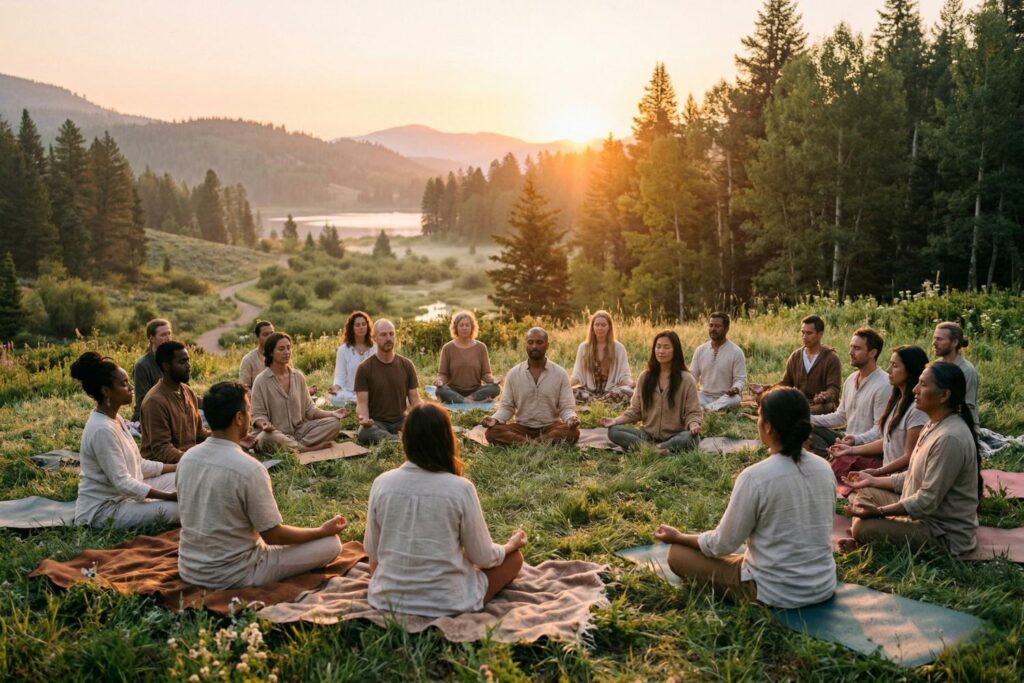
In today’s fast-paced world, many people crave a sense of connection and belonging beyond their immediate social circles. Spirituality, for many, provides a pathway to deeper understanding, peace, and growth. But navigating this journey alone can sometimes feel isolating. This is where the concept of a team spiritual community becomes invaluable.
A team spiritual community is more than just a gathering of individuals with shared beliefs—it’s a supportive network where each member encourages growth, learning, and authentic self-expression. Whether your spiritual practice is rooted in meditation, mindfulness, energy healing, or religious traditions, connecting with like-minded souls can amplify your journey in ways you never imagined.
In this article, we will explore practical steps to build and nurture a spiritual community, overcome common challenges, and foster an environment where every member thrives. By the end, you’ll have a roadmap to create your own team spiritual network that brings joy, learning, and soulful connection.
1. Understanding the Value of a Team Spiritual Community
Before creating a spiritual community, it’s essential to understand its purpose and benefits:
- Shared Growth: Individuals can learn from each other’s experiences, insights, and practices.
- Accountability: A community encourages commitment to spiritual routines and practices.
- Emotional Support: Life challenges become more manageable when you have a network that understands your path.
- Collective Energy: Spiritual practices such as meditation, prayer, or chanting can feel more powerful when done in a group.
Creating a team spiritual network can provide a sense of belonging that is often missing in solitary spiritual journeys. When individuals come together with common intentions, they experience a unique synergy that strengthens both personal and collective spiritual growth.
2. Defining Your Community’s Purpose and Vision
Every successful spiritual community begins with clarity:
- Identify Your Core Values: Decide what your community stands for—mindfulness, compassion, personal growth, or energy work.
- Define Your Goals: Are you creating a space for learning, meditation, workshops, or social impact?
- Create a Mission Statement: This helps attract like-minded individuals who resonate with your purpose.
Example: “Our mission is to cultivate a supportive environment for spiritual seekers to grow, share wisdom, and practice mindfulness together.”
By defining a clear purpose, your team spiritual community can attract members who are aligned with your vision, ensuring deeper engagement and long-term sustainability.
3. Finding Like-Minded Individuals
The heart of any team spiritual community lies in its members. Finding the right people involves:
- Leverage Online Platforms: Social media groups, forums, and apps for spiritual seekers are great starting points.
- Attend Local Events: Spiritual workshops, retreats, and seminars help connect you with people in your area.
- Word of Mouth: Encourage your current network to invite like-minded individuals.
Tip: Look for individuals who are open-minded, respectful, and genuinely committed to personal and spiritual growth. This ensures a balanced, harmonious community.
4. Creating the Right Environment
A thriving spiritual community requires a nurturing environment. Consider the following:
- Safe and Inclusive Space: Members should feel comfortable sharing their thoughts, doubts, and experiences without judgment.
- Regular Gatherings: Consistency is key—weekly meetups, meditation circles, or discussion sessions help build bonds.
- Flexible Structure: Allow room for spontaneity, creativity, and evolving interests.
Example: Organize weekly online meditations for members who cannot attend in person, ensuring no one feels left out.
5. Facilitating Meaningful Interactions
Interaction is the lifeblood of a team spiritual community. Encourage:
- Open Discussions: Host talks on spiritual topics, personal experiences, and teachings.
- Group Activities: Meditation, yoga, energy healing sessions, or workshops enhance collective growth.
- Mentorship Opportunities: Experienced members can guide newcomers, fostering a sense of belonging.
Encouraging authentic dialogue and shared experiences strengthens the bonds of your spiritual network, making it more than just a gathering—it becomes a family.
6. Leveraging Online Tools for Spiritual Growth
In a digital age, online tools can help expand your team spiritual network:
- Video Conferencing Platforms: Zoom, Google Meet, or Microsoft Teams for virtual meditation or discussion circles.
- Social Media Groups: Facebook, Reddit, or Discord to maintain engagement and share resources.
- Content Sharing: Create blogs, podcasts, or newsletters to share wisdom and keep members inspired.
Online tools bridge distances, allowing your community to grow beyond geographical boundaries.
7. Overcoming Challenges in a Spiritual Community
Building a team spiritual network isn’t without challenges:
- Conflicting Beliefs: Encourage open-mindedness and respectful dialogue.
- Member Disengagement: Offer engaging activities and personalize experiences to maintain participation.
- Leadership Struggles: Rotating leadership or co-leaders can prevent burnout and encourage fresh ideas.
With patience, understanding, and clear communication, your spiritual community can thrive despite obstacles.
8. Growing and Sustaining Your Community
A sustainable team spiritual network focuses on growth, not just numbers:
- Regular Feedback: Ask members about their experiences and suggestions.
- Celebrate Achievements: Recognize personal and collective milestones to boost morale.
- Expand Outreach: Collaborate with other spiritual communities or host public events to attract new members.
The ultimate goal is to create a self-sustaining, supportive network where members feel connected and inspired every day.
Conclusion
A team spiritual community is a powerful way to nurture your spiritual journey while connecting with like-minded individuals. By defining your purpose, finding committed members, fostering meaningful interactions, and embracing digital tools, you can build a community that inspires, uplifts, and grows together.
Remember, the essence of a spiritual community lies in authenticity, respect, and shared growth. Whether online or in-person, your team spiritual community has the potential to transform lives—yours and those around you—one mindful connection at a time.