In today’s fast-paced world, maintaining mental health and practicing effective self-care can feel overwhelming. Stress, anxiety, and the constant pressure to “do it all” can make self-care seem like a luxury rather than a necessity. Thankfully, wellness communities offer a supportive environment where individuals can improve their mental well-being, develop consistent self-care habits, and connect with like-minded people on a journey toward holistic health.
In this article, we’ll explore how wellness communities can positively impact your mental health, provide practical ways to integrate self-care into your daily life, and highlight the best strategies to make the most out of these communities.
What Are Wellness Communities?
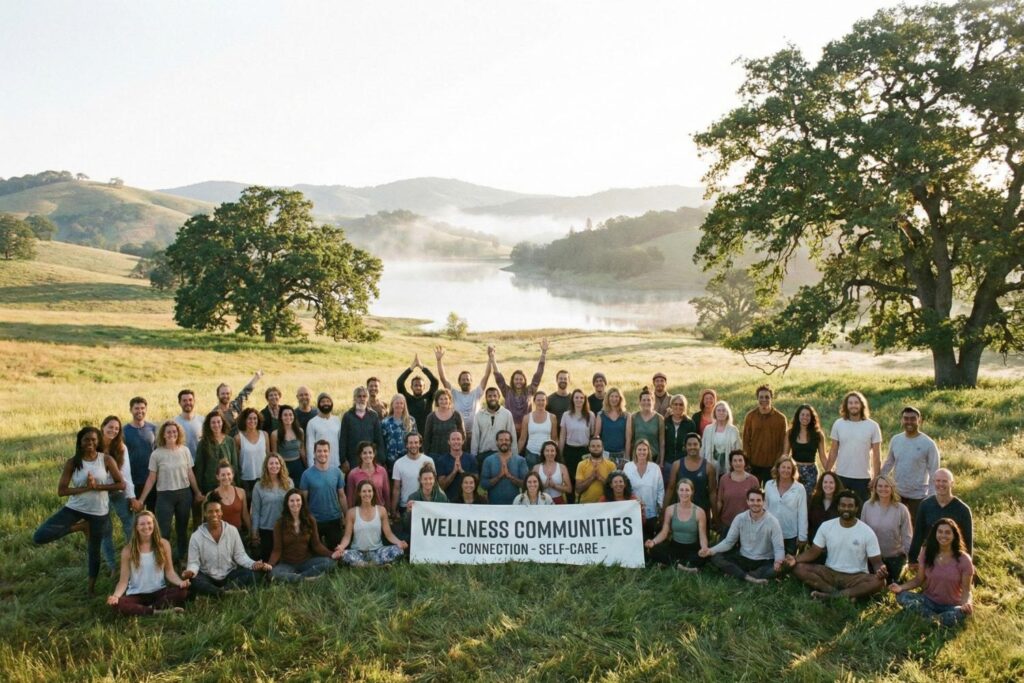
A wellness community is a group of individuals who share a common interest in health, self-care, and overall well-being. These communities exist in various forms: online platforms, social media groups, local meet-ups, fitness clubs, and even professional support groups. What sets them apart is their focus on creating a safe, supportive, and judgment-free environment where members can share experiences, exchange advice, and motivate one another.
Key Features of Wellness Communities
- Shared Goals: Members typically have a common purpose, whether it’s managing stress, adopting healthier lifestyles, or practicing mindfulness.
- Peer Support: Emotional support from people who understand your challenges can significantly reduce feelings of isolation.
- Accountability: Being part of a group encourages consistency in self-care practices.
- Resources and Guidance: Many communities provide educational content, workshops, and expert advice on mental health and wellness.
The Mental Health Benefits of Joining a Wellness Community
Joining a wellness community can significantly improve your mental health. Let’s dive into some specific benefits:
1. Reduces Stress and Anxiety
Stress and anxiety often thrive in isolation. Being part of a community allows you to share your struggles openly. Studies show that social support can buffer stress and reduce anxiety levels. Engaging with a wellness community helps individuals gain perspective, feel heard, and receive emotional support when facing challenges.
2. Promotes Emotional Wellbeing
When you participate in group discussions, mindfulness sessions, or wellness activities, your brain releases endorphins—the “feel-good” hormones. Wellness communities often host meditation sessions, group yoga, or workshops that directly contribute to improved emotional health.
3. Encourages Positive Habits
Consistent engagement with like-minded individuals motivates you to adopt healthier routines. Whether it’s exercising regularly, eating nutritiously, or taking mental health breaks, members of wellness communities can hold each other accountable, turning intentions into lasting habits.
How Wellness Communities Encourage Self-Care
Self-care goes beyond bubble baths and spa days. True self-care addresses your physical, emotional, and mental needs. Wellness communities promote holistic self-care in the following ways:
1. Education and Awareness
Many wellness communities provide resources that educate members about mental health, nutrition, and personal development. Articles, webinars, and live sessions teach techniques for coping with anxiety, managing time, and practicing mindfulness.
2. Access to Expert Guidance
Some communities partner with certified professionals, such as therapists, dietitians, or life coaches, providing members with expert guidance without the barrier of high costs or scheduling difficulties.
3. Inspiration Through Stories
Hearing other members’ journeys toward better mental health can inspire positive change. Real-life examples encourage members to implement self-care practices they might have overlooked.
4. Safe Space for Vulnerability
Vulnerability is crucial for growth. Wellness communities create a judgment-free space where members can express emotions openly, which reduces the stigma around mental health challenges.
Online vs. Offline Wellness Communities
Wellness communities come in both online and offline formats. Each has unique advantages:
Online Communities
- Accessible from anywhere, anytime.
- Forums, social media groups, and apps foster discussion and peer support.
- Great for individuals with busy schedules or those who prefer digital interaction.
Offline Communities
- Offer face-to-face interaction, creating deeper personal connections.
- Group classes, meet-ups, and local wellness clubs foster accountability.
- Engage in physical activities together, promoting both mental and physical well-being.
Tip: Combining both online and offline communities can provide the best balance of convenience, support, and engagement.
Building a Routine With Wellness Communities
To maximize the benefits of wellness communities, it’s important to integrate their offerings into your daily life:
- Participate Regularly: Schedule time to join online discussions, attend meet-ups, or participate in group activities.
- Set Self-Care Goals: Share your goals with the community to create accountability.
- Engage in Mindfulness Practices: Attend guided meditation sessions or yoga classes offered by the community.
- Share Your Journey: Documenting your progress inspires others and reinforces your commitment.
- Seek Support When Needed: Use community resources during challenging times rather than isolating yourself.
Examples of Popular Wellness Communities
Here are some popular wellness communities that cater to a range of mental health and self-care needs:
- Daily Dose of Dee’s Wellness Forum: A holistic platform where members discuss self-care routines, mindfulness, and motivation strategies.
- Headspace Community: Focused on mindfulness and meditation practices.
- Meetup Wellness Groups: Local meet-ups for yoga, meditation, fitness, and mental wellness.
- Reddit r/selfcare and r/mentalhealth: Online spaces for discussion, advice, and shared experiences.
Being part of these communities provides access to knowledge, resources, and emotional support that can accelerate your self-care journey.
Tips for Finding the Right Wellness Community
Not all communities are the same, and finding one that fits your needs is key:
- Identify Your Goals: Do you want stress relief, fitness motivation, or emotional support?
- Check Community Culture: Look for supportive, non-judgmental, and positive spaces.
- Assess Accessibility: Consider whether online, offline, or hybrid communities suit your lifestyle.
- Look for Expert Guidance: Communities with professionals can provide credible advice.
- Test Participation: Engage with discussions or attend events to see if the community resonates with you.
Conclusion
Incorporating wellness communities into your life can transform your mental health and self-care habits. From reducing stress and anxiety to promoting positive routines and emotional well-being, these communities offer invaluable support and guidance. Whether online or offline, wellness communities connect you with like-minded individuals, provide expert resources, and inspire you to prioritize self-care consistently.