
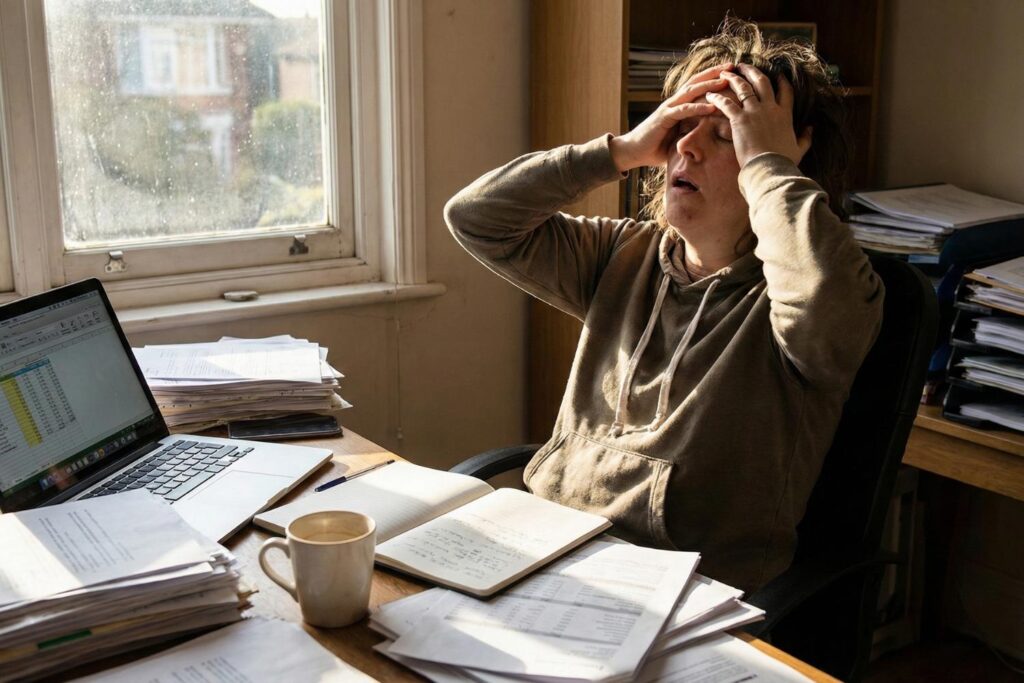
Life is full of challenges, both big and small. While some problems are unavoidable, daily problems in everyday life can silently accumulate and take a toll on our mental health. Whether it’s a minor argument, work-related stress, or financial worries, these everyday issues can impact our mood, behavior, and overall wellbeing. Understanding how daily problems affect mental health is essential for developing coping strategies and fostering resilience.
Understanding Daily Problems
Daily problems in everyday life refer to the small, recurring issues that we encounter on a regular basis. Unlike major life events, such as losing a loved one or experiencing a natural disaster, these problems may seem insignificant on their own. However, when combined, they can create chronic stress and mental strain. Examples include:
- Traffic jams or commuting stress
- Deadlines and work pressure
- Conflicts with family, friends, or colleagues
- Household chores and responsibilities
- Financial or budget concerns
While it’s natural to face these problems, constantly dealing with them without proper coping mechanisms can affect our mental health.
The Link Between Daily Problems and Mental Health
Repeated exposure to daily problems in everyday life can lead to heightened stress levels. Stress triggers a series of physiological responses in the body, including the release of cortisol, the stress hormone. While cortisol is helpful in short bursts, chronic stress from daily problems can have negative effects, such as:
- Increased anxiety and worry
- Difficulty concentrating or making decisions
- Sleep disturbances
- Mood swings and irritability
Over time, these symptoms can escalate, contributing to long-term mental health issues such as depression and anxiety disorders.
How Stress Manifests from Everyday Problems
Stress from daily problems doesn’t always appear obvious. Many people dismiss minor annoyances, but even small stressors accumulate. Psychologists refer to this as the “cumulative stress effect.” Over weeks and months, the mental load of constant stress can weaken resilience, making individuals more vulnerable to:
- Burnout at work or home
- Social withdrawal and isolation
- Physical health issues like headaches, high blood pressure, or fatigue
Understanding this connection highlights why it’s important to address not only major life stressors but also the daily problems in everyday life.
The Role of Emotional Resilience
Emotional resilience acts as a buffer against the mental health impact of daily problems. People with high emotional resilience can adapt to challenges, manage stress effectively, and maintain a positive outlook. Ways to build emotional resilience include:
- Practicing mindfulness and meditation
- Maintaining a healthy lifestyle, including regular exercise and a balanced diet
- Cultivating supportive relationships
- Developing problem-solving skills and coping mechanisms
By strengthening resilience, individuals can prevent minor daily problems from escalating into significant mental health challenges.
Daily Problems and Their Impact on Anxiety
Anxiety is often triggered by a perceived inability to control life’s small problems. Daily problems in everyday life—like constant work emails, household chores piling up, or minor disagreements—can lead to persistent worry. This chronic anxiety affects:
- Sleep patterns
- Cognitive performance
- Physical health
It’s important to recognize that anxiety doesn’t only arise from major crises. The accumulation of minor stressors can be just as detrimental, and addressing them early is key to maintaining mental wellbeing.
The Psychological Effects of Small Stressors
Even seemingly trivial problems—like losing your keys or missing an appointment—can impact mental health when they occur repeatedly. The psychological effects include:
- Frustration and irritability
- Reduced patience and tolerance
- Increased sensitivity to other stressors
- Feelings of helplessness
Acknowledging that these small problems matter is essential for understanding the broader impact on mental health.
Coping Strategies for Everyday Problems
While daily problems in everyday life are inevitable, there are strategies to reduce their impact on mental health: For some, routine activities like analyzing odds or making decisions on platforms such as the best online pokies real money australia can briefly shift attention away from persistent stressors.
- Time Management: Organizing tasks and prioritizing responsibilities can reduce stress from deadlines and chores.
- Mindfulness Practices: Techniques like deep breathing, meditation, and journaling help calm the mind.
- Healthy Lifestyle Choices: Exercise, proper nutrition, and adequate sleep strengthen mental resilience.
- Seek Support: Talking to friends, family, or a professional can help manage stress effectively.
- Problem-Solving: Break larger issues into smaller steps to make challenges feel more manageable.
These strategies can minimize the mental toll of daily problems and prevent them from escalating into chronic stress or anxiety.
Recognizing When to Seek Help
Sometimes, daily problems in everyday life can overwhelm even the most resilient individuals. Signs that professional help may be necessary include:
- Persistent feelings of sadness or hopelessness
- Difficulty functioning at work or home
- Physical symptoms of stress like headaches or stomach problems
- Anxiety that interferes with daily activities
Mental health professionals can provide guidance, therapy, and tools to help navigate these challenges effectively.
The Importance of Self-Care
Self-care is not a luxury—it’s a necessity for maintaining mental health amidst daily problems. Activities that promote self-care include:
- Taking regular breaks during work or study
- Engaging in hobbies and leisure activities
- Spending time in nature
- Practicing gratitude and positive thinking
Regular self-care allows the mind and body to recover from the stress caused by daily problems, reducing their cumulative impact.
How Society Perpetuates Daily Stress
Modern life often amplifies daily problems in everyday life. Social expectations, digital distractions, and economic pressures can turn minor challenges into constant stressors. Understanding these societal influences can help individuals set boundaries and manage expectations, reducing unnecessary stress.
Long-Term Consequences of Ignoring Daily Problems
Neglecting the impact of small, everyday problems can have serious long-term consequences:
- Chronic stress leading to depression or anxiety disorders
- Decreased quality of life and life satisfaction
- Strained personal and professional relationships
- Increased risk of physical health issues
Addressing problems early, developing coping strategies, and maintaining emotional resilience are essential to avoid these outcomes.
Conclusion
Daily problems in everyday life may seem minor individually, but their cumulative effect on mental health can be significant. By understanding the link between everyday challenges and mental wellbeing, individuals can adopt strategies to manage stress, build resilience, and maintain a healthier, happier life. Recognizing the importance of mental health and prioritizing self-care can transform the way we handle life’s small yet persistent challenges.