
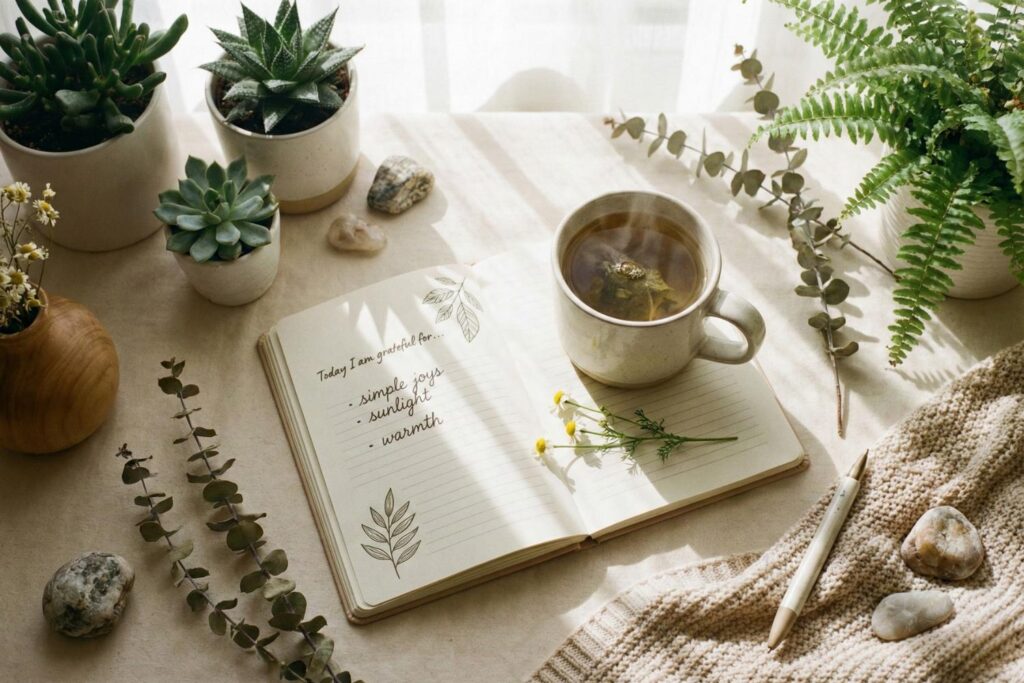
Gratitude has a quiet but powerful way of changing how we experience life. When we intentionally focus on the things to be grateful for, we shift our attention away from what’s missing and toward what’s already supporting us—often in ways we overlook.
In a fast-moving world filled with responsibilities, comparisons, and constant noise, gratitude grounds us. It reminds us that happiness doesn’t always come from achieving more, but from appreciating what already exists.
This guide explores 60 positive things to be grateful for, organized into meaningful life areas. Whether you’re beginning a gratitude practice or simply looking for gentle reminders, this list is designed to help you reconnect with joy, presence, and inner calm.
Why Gratitude Matters for Happiness
Gratitude isn’t about ignoring challenges or pretending life is perfect. It’s about recognizing that even within difficult moments, there are still things worth appreciating. Research consistently shows that gratitude improves mental health, strengthens relationships, and increases overall life satisfaction.
When practiced regularly, gratitude:
- Reduces stress and anxiety
- Improves emotional resilience
- Encourages positive thinking
- Deepens self-awareness
- Enhances overall happiness
Most importantly, gratitude helps us slow down and truly notice life as it unfolds.
Gratitude for Everyday Life
Some of the most powerful things to be grateful for are the ordinary ones we often overlook.
- Waking up to a new day
- Clean drinking water
- A comfortable bed
- Warm showers
- A peaceful morning routine
- Electricity and modern conveniences
- Fresh air and sunshine
- A safe place to live
- Access to information
- Quiet moments of stillness
These daily comforts form the foundation of our lives. When we pause to appreciate them, our perspective naturally softens.
Gratitude for Physical Health and the Body
Our bodies support us every moment, often without acknowledgment. Gratitude for physical health doesn’t require perfection—it begins with appreciation.
- The ability to breathe deeply
- A heart that keeps beating
- Strength to move your body
- Healing after illness
- Restful sleep
- Sensory experiences like taste and touch
- Energy to complete daily tasks
- Access to healthcare
- Pain-free moments
- The body’s resilience
Even on difficult days, recognizing what your body can do fosters compassion and acceptance.
Gratitude for Emotional and Mental Wellbeing
Mental and emotional health often improves when we focus on things to be grateful for, even during emotional challenges.
- Emotional awareness
- The ability to feel deeply
- Personal growth through hardship
- Moments of calm
- Self-reflection
- Inner strength
- Emotional support systems
- Coping skills learned over time
- Hope for better days
- The ability to set boundaries
Gratitude doesn’t erase pain, but it helps us move through it with greater gentleness.
Gratitude for Relationships and Connection
Human connection is one of the most meaningful things to be grateful for.
- Family members
- Close friendships
- Supportive partners
- Kind strangers
- Mentors and teachers
- Shared laughter
- Honest conversations
- Feeling understood
- Reconciliation and forgiveness
- Love in all its forms
Relationships shape who we become. Gratitude strengthens them by fostering appreciation rather than expectation.
Gratitude for Personal Growth and Life Lessons
Every experience—pleasant or painful—contributes to growth.
- Lessons learned from mistakes
- Challenges that built resilience
- New perspectives
- Self-discovery
- Overcoming fear
- Learning new skills
- Personal milestones
- Confidence gained over time
- The courage to try again
- Becoming more self-aware
Growth-oriented gratitude allows us to honor the journey, not just the destination.
Gratitude for Nature and the World Around Us
Nature offers endless things to be grateful for, often without asking anything in return.
- Blue skies and clouds
- Trees and greenery
- Ocean waves or flowing rivers
- Seasonal changes
- Birds and wildlife
- Rain that nourishes the earth
- Sunsets and sunrises
- The grounding effect of nature
- Quiet walks outdoors
- The beauty of the natural world
Nature reminds us to slow down, breathe deeply, and feel connected to something greater than ourselves.
How to Build a Gratitude Practice
Gratitude becomes most powerful when practiced consistently. Here are simple ways to make it part of daily life:
- Write down three things you’re grateful for each day
- Reflect on small wins before bed
- Express appreciation to others
- Practice mindful breathing with gratitude
- Reframe challenges as learning opportunities
Even a few moments of intentional gratitude can reshape your emotional landscape.
Also read this Article: Emotional Changes After Menopause No One Prepares You For
Final Thoughts
Happiness isn’t something we chase—it’s something we notice. When we intentionally focus on the things to be grateful for, we open the door to greater peace, clarity, and fulfillment.
Gratitude doesn’t demand perfection. It invites presence. And with presence comes a deeper appreciation for the life you’re already living.
Let this list be a gentle reminder that even on ordinary days, there is always something worth appreciating.