
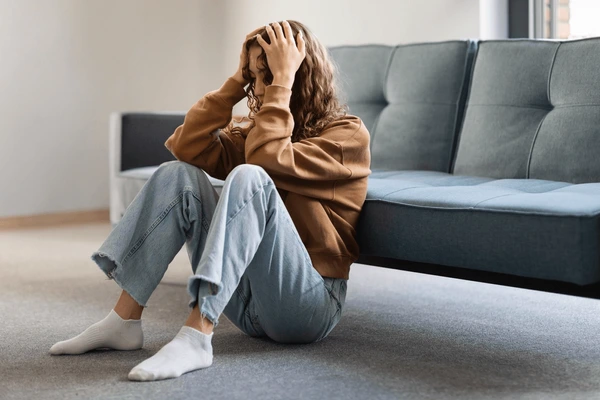
Anxiety doesn’t always look the way people expect. It isn’t always panic attacks, shaking hands, or racing thoughts that stop you in your tracks. In many cases, anxiety works quietly in the background, showing up in subtle ways that are easy to dismiss as personality traits, stress, or bad habits.
These silent anxiety symptoms often go unnoticed for years, affecting confidence, relationships, and daily routines without a clear explanation. Recognizing them is the first step toward healing and learning effective anxiety coping strategies that bring lasting relief.
1. Constant Overthinking and Mental Fatigue
One of the most common hidden symptoms of anxiety is nonstop overthinking. Your mind replays conversations, imagines worst-case scenarios, or analyzes small decisions for hours. Even when nothing is wrong, your brain refuses to rest.
This mental exhaustion can make everyday tasks feel overwhelming. Learning how to manage anxiety starts with recognizing that overthinking isn’t a flaw—it’s a stress response that can be gently retrained with awareness and support. how to manage anxiety
2. Difficulty Relaxing, Even During “Free Time”
People with silent anxiety often struggle to relax, even when life slows down. Sitting still can feel uncomfortable. You may feel guilty for resting or constantly feel the urge to stay busy.
This isn’t laziness or lack of discipline—it’s your nervous system staying in “alert mode.” Incorporating calming routines and proven anxiety relief techniques can help your body relearn how to feel safe during moments of rest. anxiety relief techniques
3. Physical Symptoms With No Clear Cause
Anxiety frequently manifests in the body before the mind recognizes it. Silent symptoms may include:
- Tight shoulders or jaw clenching
- Frequent headaches
- Digestive discomfort
- Fatigue without explanation
These signs are often brushed off as physical issues, but emotional stress plays a major role. Exploring natural remedies for anxiety like breathing exercises, grounding practices, and gentle lifestyle changes can significantly ease these physical reactions. natural remedies for anxiety
4. Avoidance of Social Situations
Not all social anxiety looks obvious. Sometimes it’s quietly declining invitations, avoiding phone calls, or rehearsing conversations long before they happen. You may appear calm on the outside while feeling tense inside.
Understanding and slowly addressing these patterns is essential when dealing with social anxiety, especially in a compassionate, non-judgmental way that respects your pace. dealing with social anxiety
5. Perfectionism and Fear of Making Mistakes
Silent anxiety often hides behind perfectionism. You may set unrealistically high standards for yourself and feel intense discomfort when things aren’t “just right.” Mistakes can feel personal rather than normal.
Over time, this creates constant pressure and self-criticism. Simple daily tips for anxiety, such as practicing self-compassion and setting realistic expectations, can help break this exhausting cycle. daily tips for anxiety
6. Trouble Sleeping or Feeling Rested
Many people with anxiety fall asleep but don’t feel rested. Racing thoughts at night, early waking, or restless sleep are all quiet indicators that your mind hasn’t fully powered down.
Developing nighttime routines and consistent anxiety coping strategies can help calm the nervous system and improve sleep quality over time. anxiety coping strategies
Why Recognizing Silent Anxiety Matters
Silent anxiety can slowly shape your life without you realizing it. It influences decisions, confidence, energy levels, and relationships. The good news is that once you identify these patterns, you can begin to change them with patience and intention.
At Daily Dose of Dee, the focus is on gentle awareness, emotional balance, and practical tools that support mental well-being in everyday life.
Final Thoughts
If you recognize yourself in these silent symptoms, know that you’re not alone—and you’re not broken. Anxiety is your body’s way of trying to protect you, even when it becomes overwhelming. With the right understanding, support, and small daily steps, peace and clarity are possible.